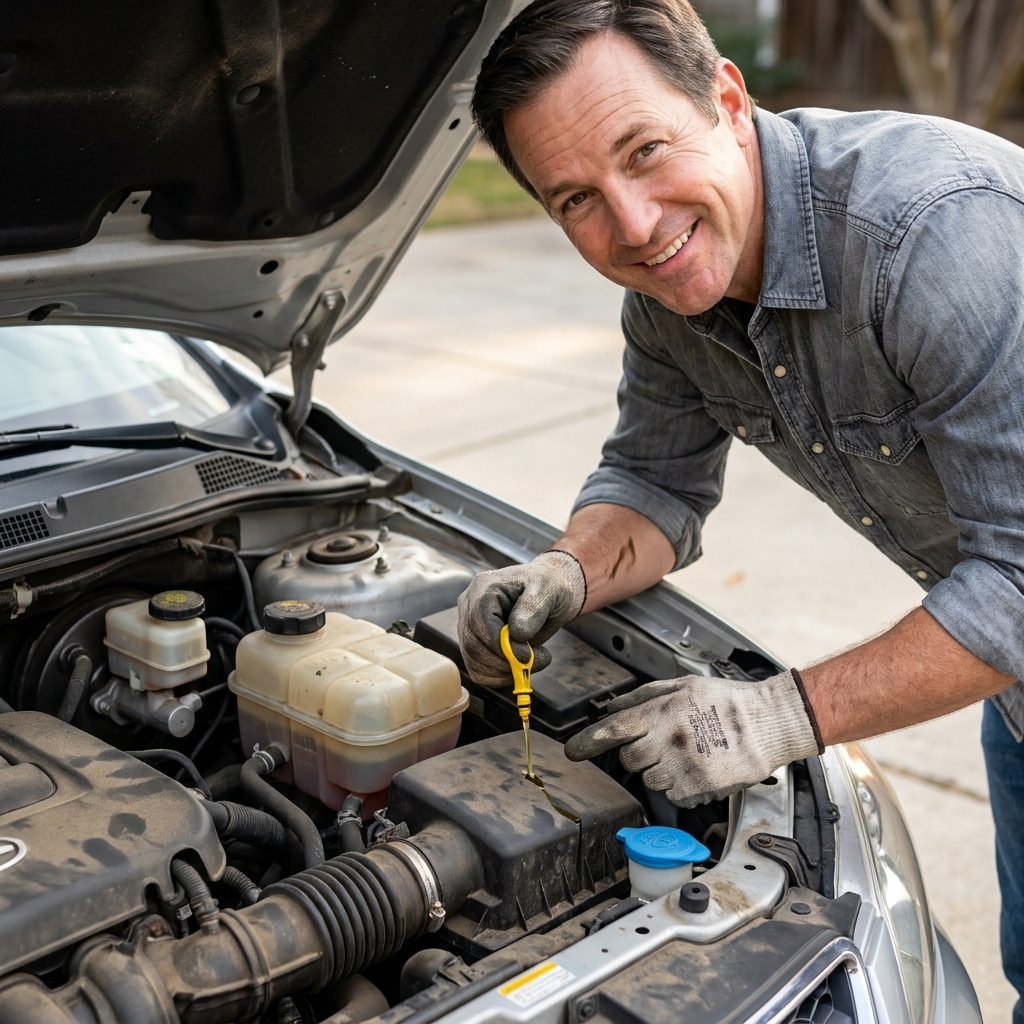
I still remember my grandfather’s garage in winter: one trouble light, a coffee can full of bolts, and a dash full of mysteries on a beat-up car that refused to quit. That is why I hate how intimidating dashboard warning lights feel. Some lights are true stop-right-now problems, but a bunch of the common ones are really just your car asking for routine attention.
This guide focuses on the warning lights that most often tie back to routine maintenance and simple checks you can do at home. I will also tell you when a light is not routine and you should stop driving.
Quick note: Icons and wording vary by make and model. If a light does not match what you see here, check your owner’s manual.
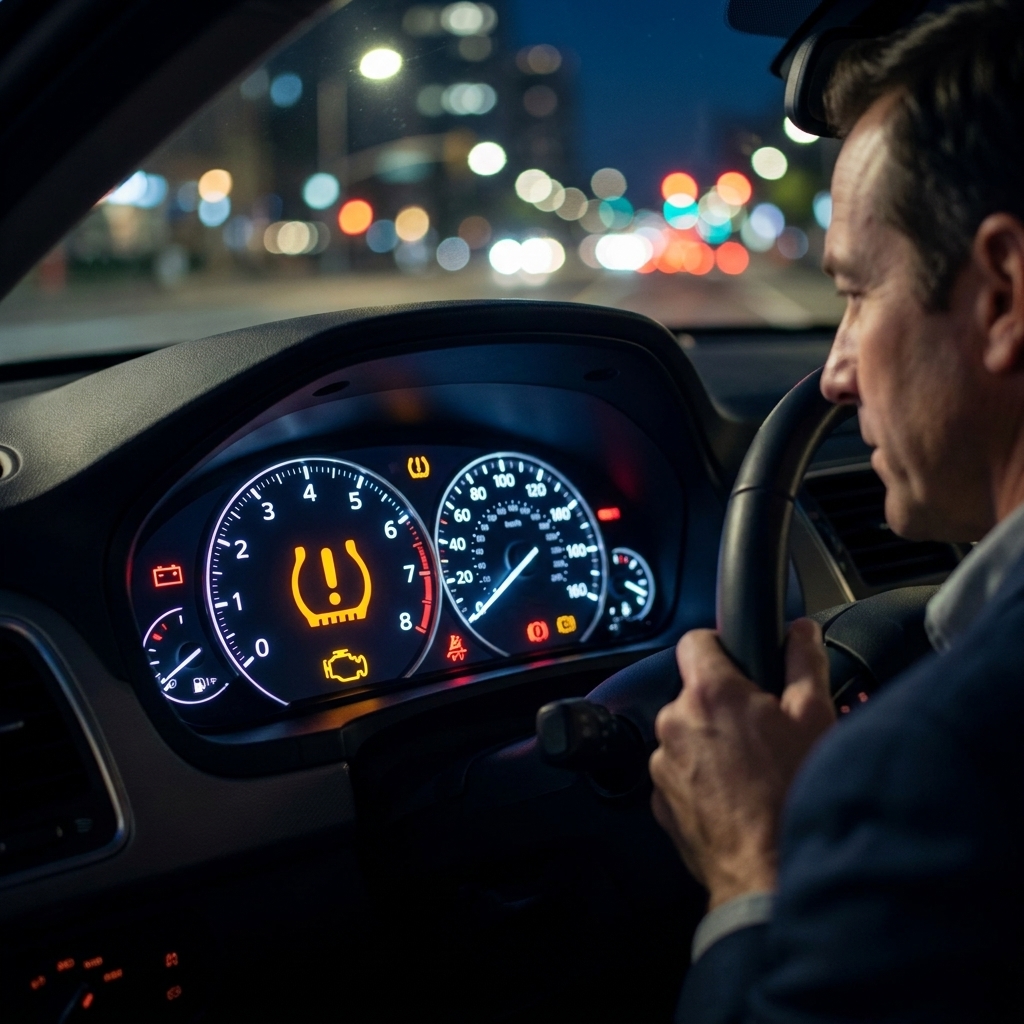
First, read the color
Most instrument clusters follow a simple pattern:
- Green or blue: Information. Something is on and working (headlights, high beams, cruise, cold engine indicator).
- Amber or yellow: Caution. Usually safe to drive short-term, but you should diagnose soon. Many routine maintenance items live here.
- Red: Stop. Continuing to drive can cause damage or a safety issue. A few red lights are “maintenance” in the sense that they require service, but they are not “do it later.”
Quick rule: If you see a red oil pressure light or a red temperature light, treat it like the engine is yelling. Pull over and shut it down.
Check engine light
The check engine light is the king of panic, but it often turns out to be something routine. The trick is to notice whether it is solid or flashing, and whether the car is acting normal.
Solid check engine light
A solid light is often driveable, but it is not a free pass. If you notice rough running, loss of power, fuel smell, overheating, loud noises, or shaking, treat it as serious.
- Loose or failing gas cap: One of the most common causes. The EVAP system tests for leaks, and a cap that is not tight can fail the test.
- Small EVAP leak: Sometimes it is the cap seal, sometimes it is a hose. Still usually not an immediate breakdown issue.
- Oxygen sensor or “running a bit off”: Can be maintenance-related, but you want to scan it soon because it can hurt fuel economy.
DIY first step: Tighten the gas cap until it clicks or is snug. Then drive normally. Some cars clear the light after a few successful self-tests, which can take a few trips.
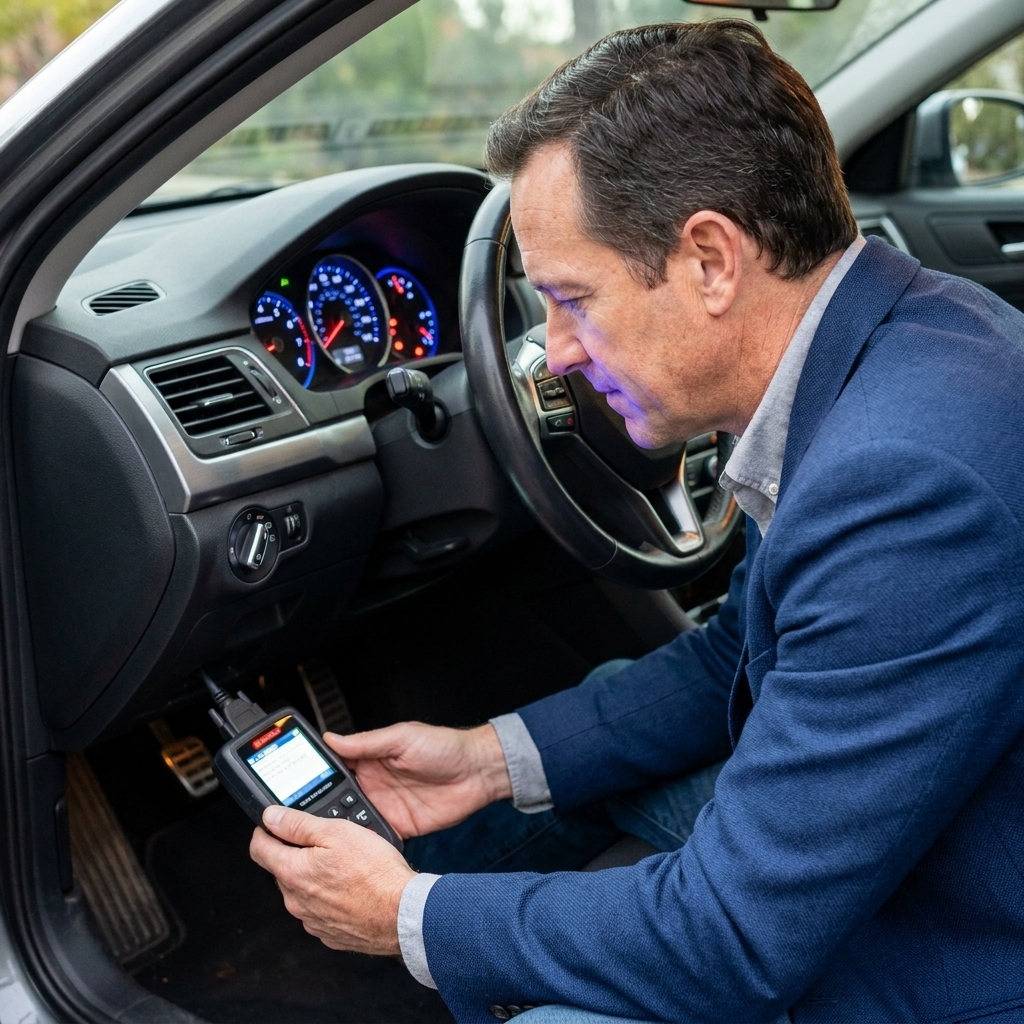
Best DIY tool: A basic OBD-II code reader. You do not need a fancy one. Pull the code, write it down, and then decide your next step.
Flashing check engine light
A flashing CEL usually indicates a misfire severe enough to damage the catalytic converter. That is a park-it or tow-it situation, not a “swing by the parts store later” situation.
TPMS light
The tire pressure monitoring system (TPMS) light is a routine maintenance reminder in disguise. Tires lose air naturally over time, and pressure drops when temperatures drop.
What it usually means
- One or more tires is low on air.
- Seasonal temperature change lowered pressure enough to trigger the warning.
- Less commonly: a nail, bead leak, or a failing TPMS sensor.
DIY fix
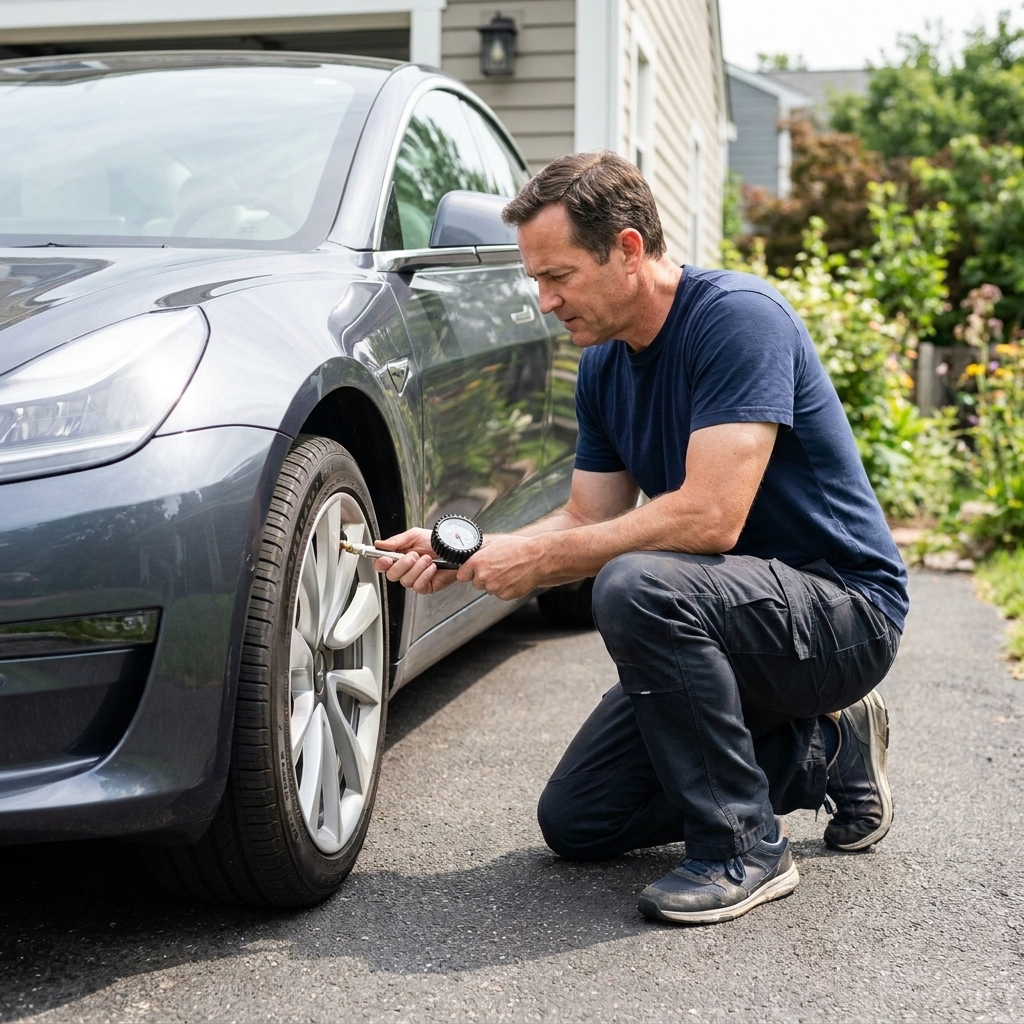
- Check pressures cold (before driving, or after the car sits for a few hours).
- Inflate to the door-jamb sticker, not the tire sidewall. The sticker is the vehicle spec. Some vehicles list different front and rear pressures, so match them.
- Recheck in 24 to 48 hours. If the same tire drops again, you likely have a leak that needs a patch.
Do not bleed air from a hot tire to “fix” the light. Hot tire pressure reads higher and you can end up underinflated once the tire cools.
If the TPMS light flashes first, then stays on: Many vehicles use that pattern to indicate a sensor or system fault. You can still check pressures manually, but plan on a sensor diagnosis when convenient.
Oil lights
Oil-related lights get confusing because different cars use different icons and messages.
Oil change reminder
This might appear as “Maintenance Required,” “Change Oil Soon,” a wrench icon, or an oil-can symbol paired with a percentage on the display.
- What it means: You are due (or almost due) for an oil change based on mileage and driving conditions.
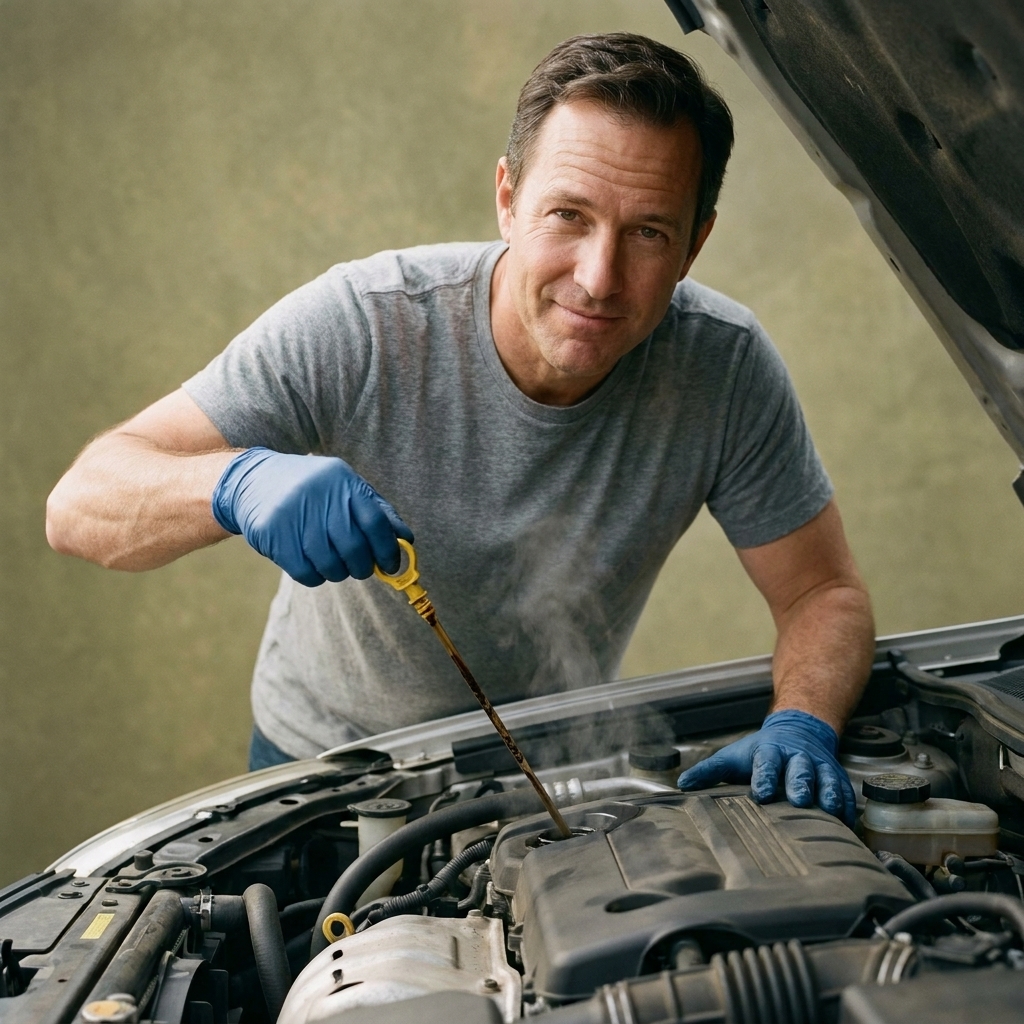
- DIY action: Check the oil level on the dipstick, then schedule or perform an oil and filter change.
- Don’t forget: Reset the maintenance minder after service. Each car has a specific reset procedure.
Red oil can or oil pressure
This is not an oil change reminder. It means the engine may not be building oil pressure, which can destroy an engine fast.
- What to do: Pull over safely, shut the engine off, and check the oil level.
- If it is low: Add oil to the correct level. Start the engine once to see if the light goes out. If the light stays on, shut it back off immediately.
- If the level is normal: Do not keep driving and do not keep restarting it to “see if it clears.” Get it towed.
Battery light
The battery icon usually means the charging system is not doing its job. That can be a battery issue, but more often it points to the alternator, belt, or wiring.
Important safety nuance: If the battery light is on while you are driving, treat it as urgent. The car may be running on battery power only, and it can stall once voltage drops.
Common causes
- Old battery: A weak battery can create weird electrical behavior.
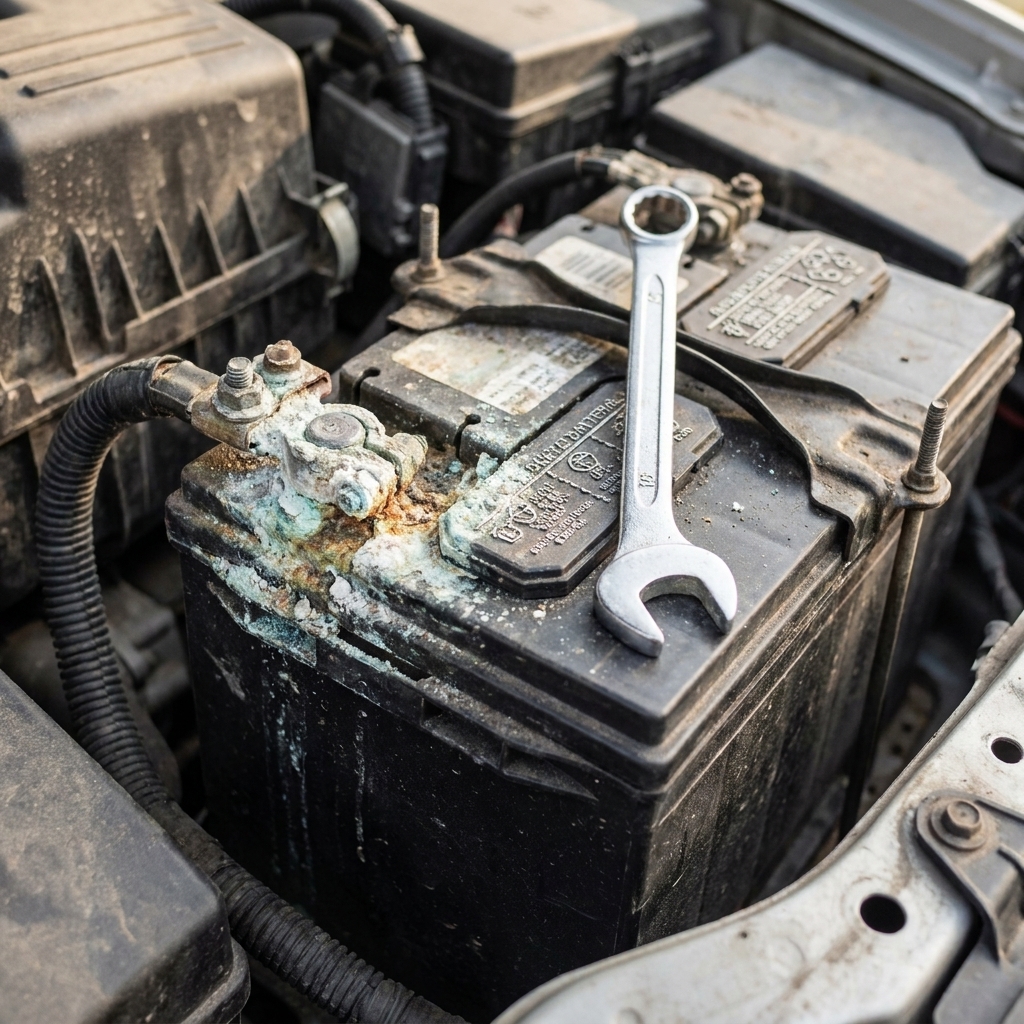
- Loose or corroded terminals: White or bluish crust at the battery posts is a common DIY fix.
- Loose or failing serpentine belt: If the belt is slipping, the alternator may not charge well.
DIY checks
- With the engine off, inspect battery terminals for corrosion and tightness.
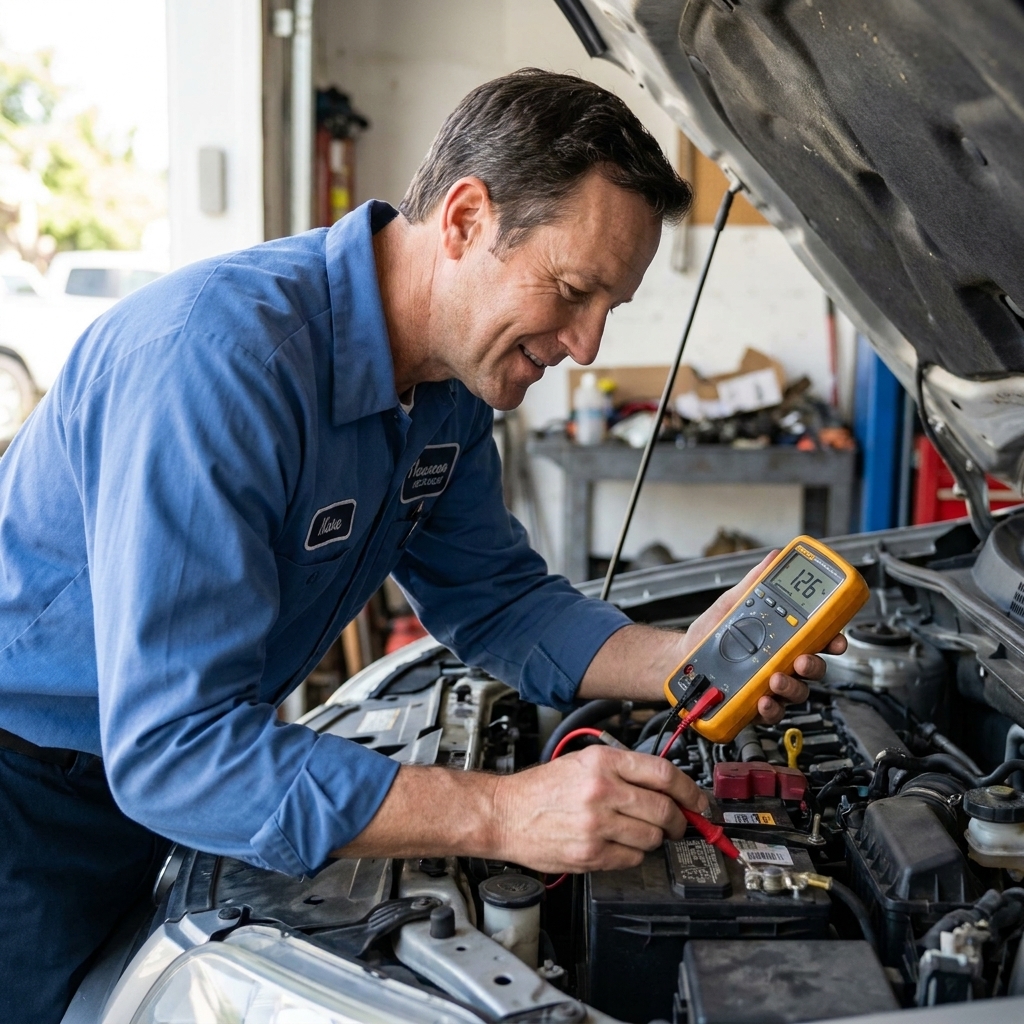
- If you have a multimeter: a healthy battery at rest is roughly 12.6V. Running voltage is typically around 13.7V to 14.7V. Numbers vary by vehicle, but a running voltage near 12V suggests the alternator may not be charging.
What to do if it comes on while driving: Head somewhere safe and close. Turn off nonessential electrical loads (seat heaters, rear defrost, extra chargers, and if needed, lower the blower fan). If you also see dimming lights, warning messages multiplying, or power steering acting strange, assume you are minutes from a stall.
Brake warnings
Brake lights come in a few flavors, and the meaning depends on the symbol and color.
Brake pad wear
Some cars have pad wear sensors that trigger a warning when pads are getting thin.
- DIY action: Inspect pad thickness through the wheel spokes if possible, or remove the wheel for a proper look.
- Common guideline: Around 3 mm of pad material is “plan to replace soon.” Around 2 mm is “you are late.” This varies by pad design and driving style.
ABS light
An ABS light often means the anti-lock system is disabled, but your normal brakes still work. You just lose ABS help during hard braking.
- Common causes: Wheel speed sensor issues, damaged sensor wiring, tone ring problems, or low battery voltage.
- DIY first step: Scan for ABS codes if you have a scanner that supports ABS. Also check battery health. Low voltage causes false alarms more often than you would think.
Red brake warning
- Parking brake is on (simple, but it happens).
- Low brake fluid due to pad wear or a leak.
- Hydraulic brake problem.
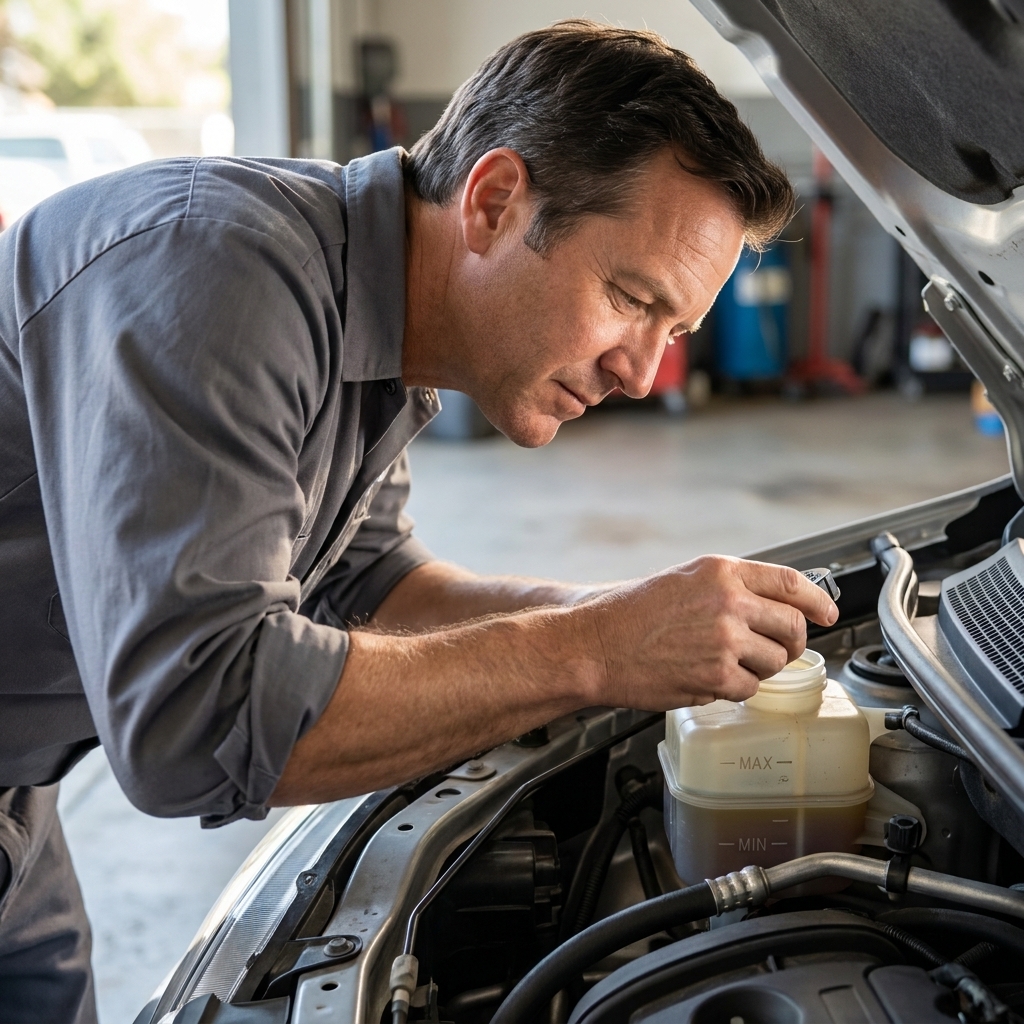
DIY first step: Confirm the parking brake is fully released. Then check the brake fluid level in the reservoir.
Do not drive if: the red brake warning is on and the pedal feels soft or sinks, braking effort suddenly increases, you see a fluid leak, or you have an ABS light plus a red brake warning together. That combination can mean braking performance is compromised.
Coolant temp light
Overheating is one of those things that can turn a cheap fix into an expensive one.
Blue temp light
Many cars show a blue coolant temperature indicator when the engine is cold. That is informational. Drive gently until it goes out.
Red temp light or hot warning
If the red temp light comes on or the gauge is pegged hot:
- Turn off the A/C.
- Turn the heater on full hot only as a short, temporary move to help shed heat while you get safely off the road. It is not a fix, and it is not always effective on newer cars.
- Pull over, shut the engine off, and let it cool.
Do not open the coolant cap hot. Hot cooling systems can spray boiling coolant.
Maintenance that helps prevent it
- Keep coolant at the proper level in the overflow tank.
- Inspect for dried coolant crust around hose connections.
- Replace coolant at the interval your manual specifies.
Wrench light
A wrench icon is often a general maintenance reminder. Different makes use it differently, so check the owner’s manual, but these are common triggers:
- Oil change due (sometimes paired with a percentage).
- Transmission service reminder.
- Scheduled inspection interval.
- Electronic throttle or powertrain issue on some models (less routine, worth scanning).
DIY move: Look up the exact message in your manual and match it to your maintenance schedule. If the car drives differently (rough idle, reduced power), scan for codes.
Low fuel and washer fluid
These are the least scary lights on the dash, but they matter more than people think.
Low fuel light
- On many vehicles, running very low repeatedly can shorten fuel pump life because the fuel helps cool an in-tank pump.
- Running low also increases your chances of pulling debris from the bottom of the tank, and it leaves less margin if you get stuck in traffic or weather.
- If you are consistently hitting the low fuel light, set a habit: fill up at a quarter tank.
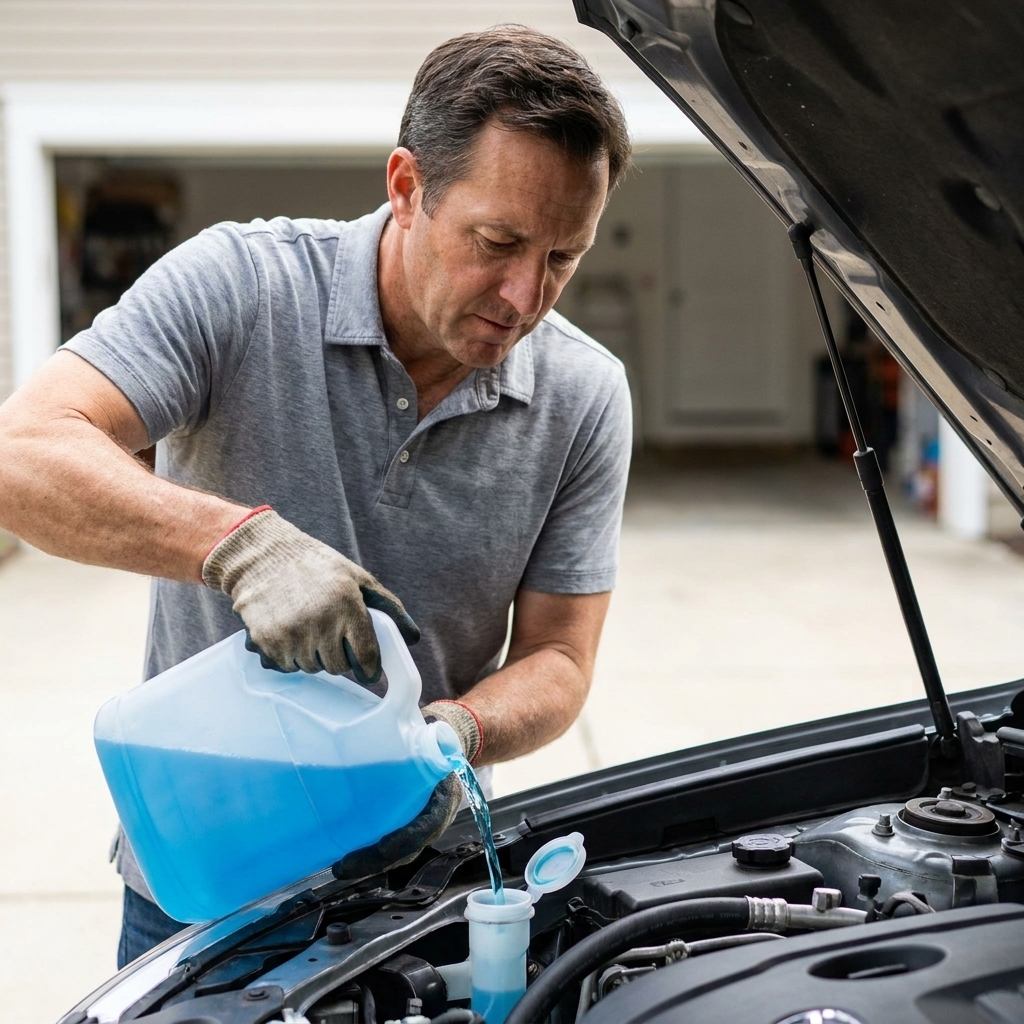
Washer fluid light
- Keeping washer fluid topped up is safety maintenance. A dirty windshield at sunset can be blinding.
- In freezing climates, use winter-rated fluid so it does not slush up in the reservoir.
Traction and stability lights
If the traction control or stability control light flashes while accelerating on a slick road, that is normal. If it stays on, maintenance can be the culprit.
- Mismatched tire sizes or uneven tread: Different rolling diameters can confuse the system.
- Low tire pressure: Can trip stability systems and TPMS together.
- Wheel speed sensor issue: Often shows up as ABS plus traction or stability lights at the same time.
DIY first step: Check tire pressures and make sure all four tires are the same size and similar wear. If ABS is also on, scan for codes.
Common lights people misread
A few warnings are easy to confuse with “maintenance.” They are usually not an immediate pull-over, but they are not ignore-it lights either.
Airbag or SRS light
If the airbag or SRS light stays on, the system may be disabled. The car will usually drive normally, but your crash protection may not be there when you need it. Schedule diagnosis soon.
Power steering or EPS light
Electric power steering warnings can mean steering assist is reduced or gone. The car can become surprisingly heavy to steer, especially at low speeds. Slow down, give yourself room, and get it checked.
Transmission temp warning
Warnings like “AT Oil Temp” or a transmission temperature symbol are in the same family as an engine overheat warning. Reduce load, pull over when safe, and let it cool. If it returns quickly or you notice slipping or harsh shifts, stop driving and get it towed.
Multiple lights at once
If you suddenly get a Christmas tree of warnings, do not panic. Prioritize like this:
- Any red oil pressure or red temperature warning: pull over and shut down.
- Red brake warning or big drivability change: pull over and assess. Do not keep driving if braking or steering feels wrong.
- Lots of random lights plus a battery light: suspect low voltage from a charging problem. Minimize electrical load and get somewhere safe and close.
Right now checklist
If a warning light pops up and you are not sure what to do, run this quick driveway triage:
- Is it red? Stop as soon as it is safe. Check oil level, coolant temp, and brake fluid as appropriate.
- Is the check engine light flashing? Stop driving and plan a tow.
- Is it TPMS? Check pressures cold and inflate to the door sticker.
- Any new noises, smells, or smoke? Treat it as serious until proven otherwise.
- Scan for codes if you can. Even if you do not fix it yourself, you will walk into a shop informed.
FAQ
How long after tightening a gas cap will the check engine light go off?
It depends on the car. Many will clear it after a few successful drive cycles, which can mean a couple of days of normal driving. If it does not clear, scan for codes. You might have a cap with a bad seal or a different EVAP leak.
Can I drive with the TPMS light on?
Yes, but you should not ignore it. Confirm pressures with a gauge. Driving on an underinflated tire can ruin it fast and it is a blowout risk.
What is the difference between an oil light and an oil change reminder?
An oil change reminder is a scheduled maintenance alert. A red oil pressure warning means the engine may not be getting lubrication. That one is an immediate stop.
My battery light came on, but the car still runs. Am I fine?
Not for long. The car can run off battery power for a bit, but once voltage drops, you can lose systems and eventually stall. Reduce electrical load and get the charging system tested as soon as possible.
The best habit
The easiest way to make dashboard lights less scary is to keep a baseline: tires at the right pressure, oil at the right level, battery terminals clean, and fluids checked once a month. That is not “mechanic stuff.” That is basic ownership, and it saves real money.
If you want my no-nonsense order of operations, it is this: air, oil, coolant, brakes. Keep those four healthy and most warning lights either never show up or become simple to deal with.