If you have ever walked out to your driveway, spotted a mystery puddle, and felt your stomach drop, you are not alone. I have been there, and I have also been the guy at the shop counter watching someone get talked into a big repair before anyone even figured out what was leaking.
The good news: most car fluids have telltale colors, smells, and textures. With a paper towel, a flashlight, and a calm head, you can usually narrow it down in five minutes.
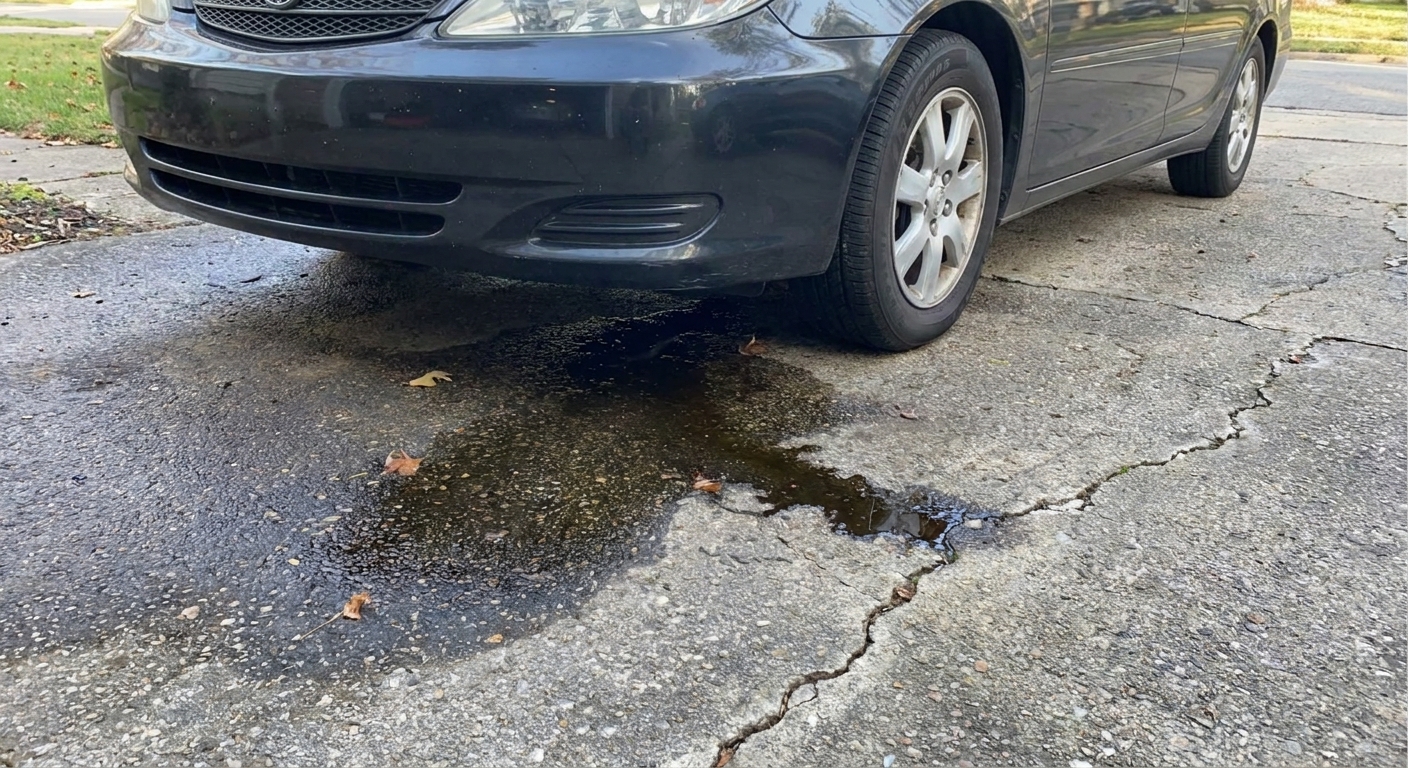
Safety first: Never taste fluids. Avoid getting them on your skin. Keep rags away from kids and pets. If you suspect fuel, do not start the car and do not create sparks.
One quick reality check: Specs vary by make and model. If you can, confirm fluids in your owner’s manual before topping anything off.
Quick leak ID chart (color + feel + smell)
Use this as your first pass. Color alone can mislead you because fluids darken with age and can mix with road grime.
- Amber to dark brown, oily: Engine oil (or sometimes gear oil if very thick)
- Red or pink, slick: Automatic transmission fluid (ATF) or some power steering fluid
- Clear to amber, slick: Some power steering fluids (many systems use clear or amber hydraulic fluid, and many newer cars have electric power steering with no fluid at all)
- Green, orange, pink, or blue, watery and sweet-smelling: Coolant/antifreeze
- Clear to light amber, very slippery, paint-damaging: Brake fluid
- Clear, watery, no smell: A/C condensation (normal) or plain water
- Blue (sometimes green), watery, mild detergent smell: Windshield washer fluid
- Amber to dark brown, very thick, strong sulfur smell: Gear oil or differential fluid
- Gasoline smell, rainbow sheen, fast evaporation: Fuel
- Clear water from the tailpipe area (sometimes slightly gray): Exhaust condensation, especially on short trips or cold starts
If you want to be extra methodical, slide a clean piece of cardboard under the engine overnight. In the morning, you will have a “map” of where the drip is landing.
How to confirm what fluid it is
Step 1: Check where the puddle is
Location helps a lot, but think of it as a clue, not a verdict. A puddle shows where fluid lands, not where it starts.
- Front center: Possible sources include the engine (oil leaks), radiator area (coolant), water pump area, and front crank seal area
- Front passenger side: Possible sources include the coolant reservoir area, some radiator end tanks, and the A/C drain (water)
- Front driver side: Possible sources include the brake master cylinder area (brake fluid) and power steering components on many vehicles (if equipped)
- Middle of car: Possible sources include the transmission, transmission cooler lines, transfer case (4WD/AWD), and exhaust condensation
- Rear: Possible sources include the differential, axle seals, fuel tank area, rear brakes, and on some layouts an engine rear main seal that drips farther back
Step 2: Do the paper towel test
Blot the puddle with a white paper towel or coffee filter:
- Oily ring that spreads: oil or ATF
- Watery spot that dries: water, washer fluid, or coolant (coolant often leaves a faint colored residue or crust)
- Very slick and “silky,” smears easily without a heavy oily ring: brake fluid
Step 3: Use your nose (carefully)
- Sweet smell: coolant
- Sharp petroleum smell: gasoline
- Burnt smell: old ATF or overheated power steering fluid
- Sulfur or rotten egg smell: gear oil
- Light cleaner or detergent smell: washer fluid
Step 4: Check your fluid levels
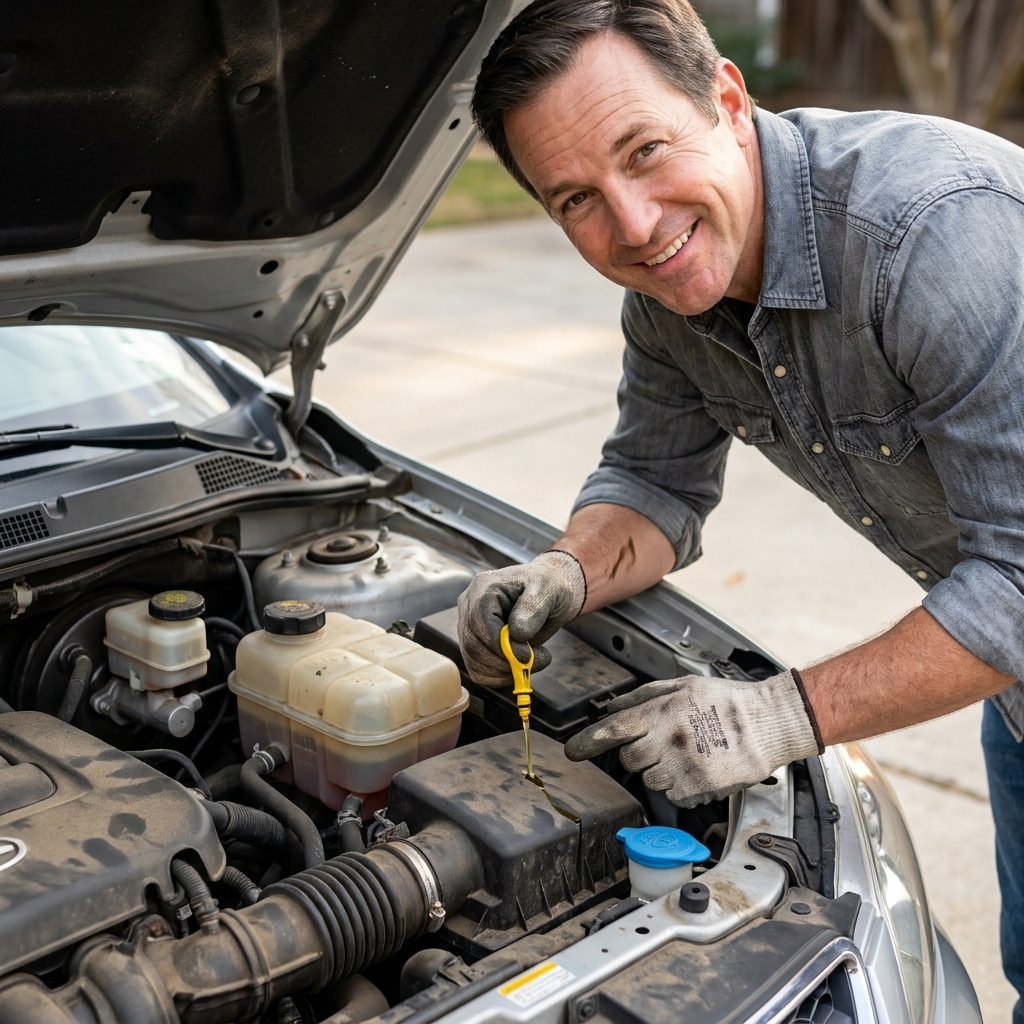
Before you crawl under anything, pop the hood and look at what is low:
- Engine oil dipstick
- Coolant level in reservoir (only open radiator cap when engine is cold)
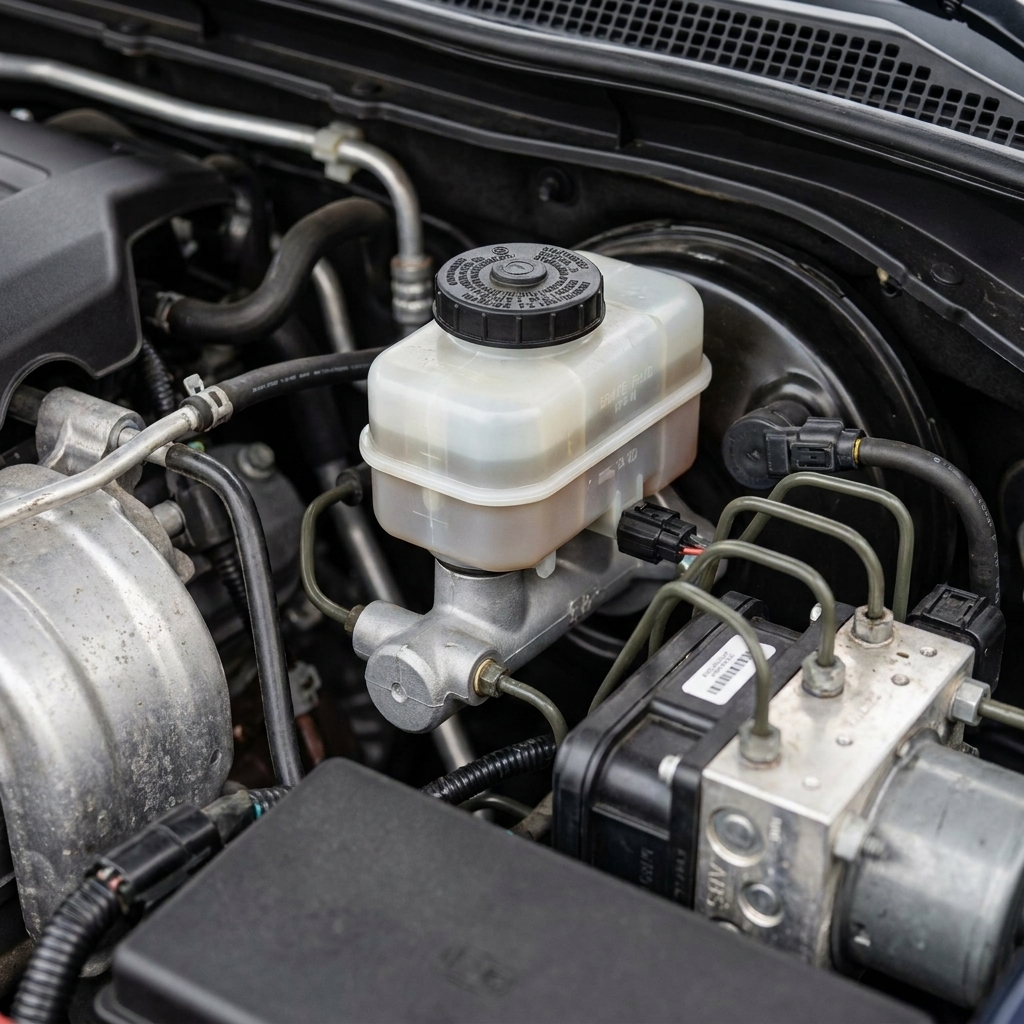
- Brake fluid reservoir
- Power steering reservoir (if equipped, many newer vehicles do not have one)
- Windshield washer reservoir
If a reservoir is suddenly low, that is your smoking gun.
Common leak colors and what they mean
Brown or black oily puddle: engine oil
What it looks like: Amber when fresh, brown to black when old. Slick and oily. Can collect dust and look grimy.
Common sources:
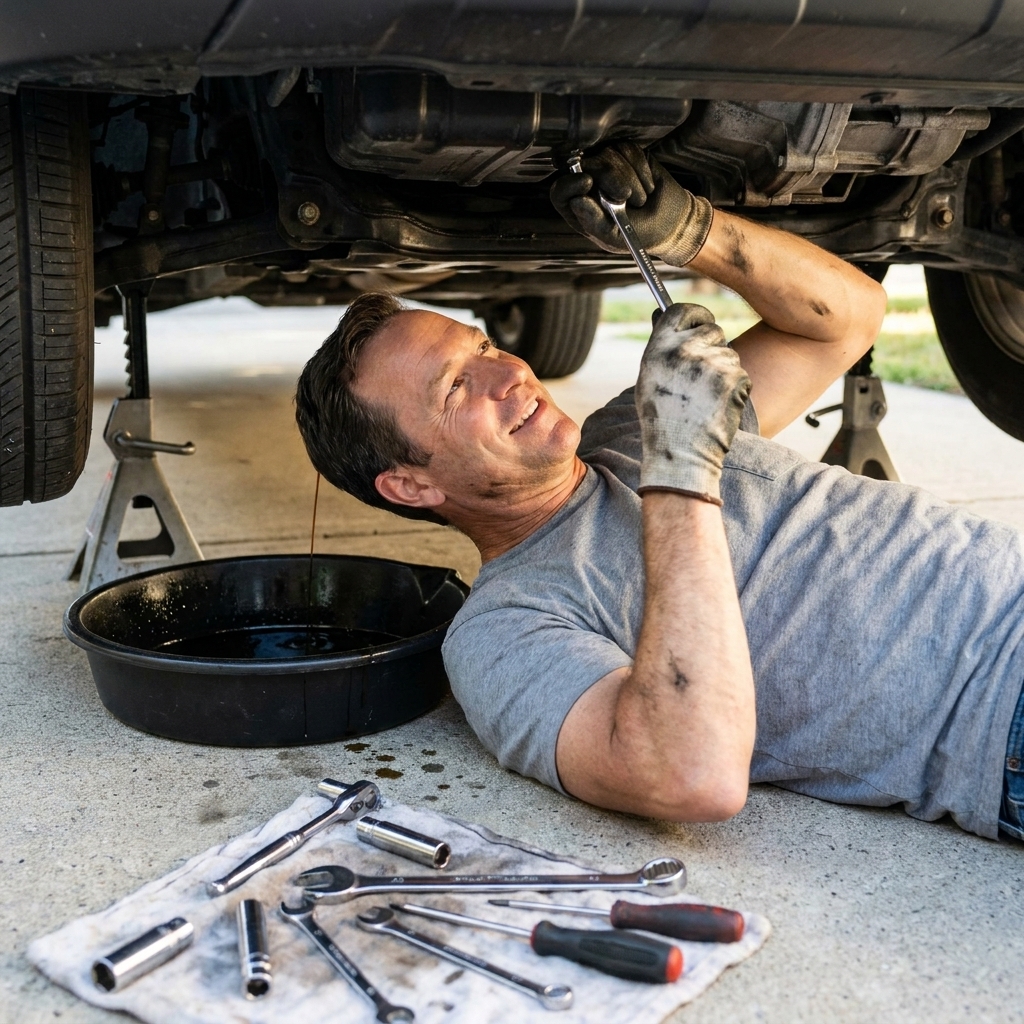
- Oil drain plug or crush washer (recent oil change)
- Oil filter seal (double-gasketed filters are a classic mistake)
- Valve cover gasket (often leaks down the engine)
- Oil pan gasket
- Front or rear main crank seal
DIY checks: Look for wetness around the oil filter and drain plug. Shine a flashlight up around the valve cover edge. If the leak is higher up, gravity will make it look like everything is leaking.
Can you drive? If it is a slow seep and oil level is safe, usually yes short-term. If it is actively dripping or oil pressure light is on, shut it down.
Red or pink slick fluid: transmission fluid or power steering
What it looks like: Cherry red when new, turning reddish-brown with age. Thin and very slick.
Important nuance: Many vehicles use ATF in the power steering system, but some use clear or amber hydraulic fluid. And plenty of newer cars have electric power steering, so there is no power steering fluid to leak.
Common sources (ATF):
- Transmission pan gasket
- Axle seals (front-wheel-drive)
- Cooler lines to radiator
- Torque converter seal (harder to see, usually inside bellhousing area)
Common sources (power steering, if equipped):
- High-pressure hose leaks
- Return hose seepage at clamps
- Steering rack or pump seals
DIY checks: Check ATF level if your vehicle has a dipstick. For power steering, look for wet hoses and fluid on the pump body or rack boots. Listen for whining while turning the wheel, a clue the system is low (on hydraulic systems).
Can you drive? Low ATF can cook a transmission fast. Low power steering fluid can damage the pump and can become a safety issue if steering assist fades. If you are seeing more than a few drops and it is not just old residue, treat it as urgent.
Green, orange, pink, or blue watery fluid: coolant
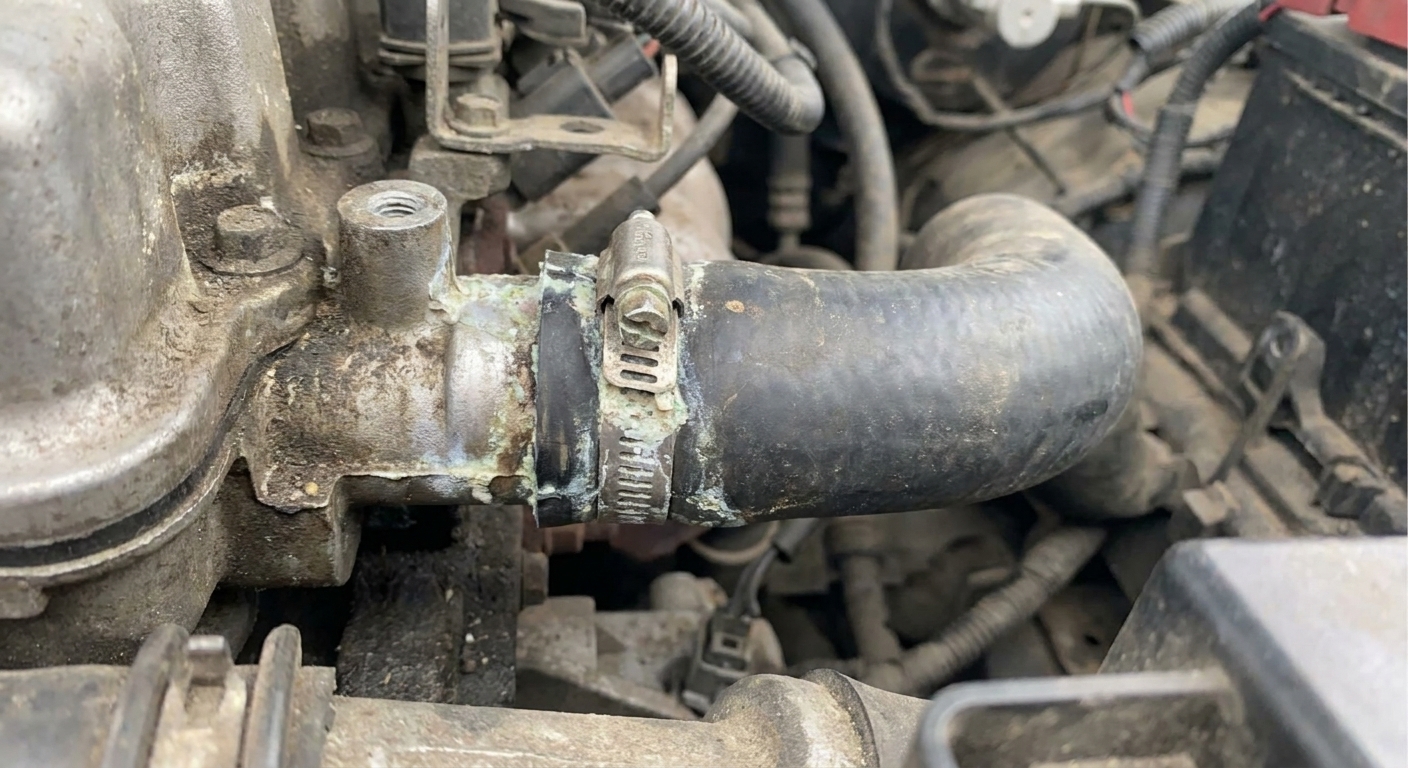
What it looks like: Brightly colored when fresh. Usually watery but slightly slippery. Often leaves a chalky or crusty residue when it dries.
Common sources:
- Radiator end tanks or seams
- Upper or lower radiator hoses
- Heater hose connections
- Water pump weep hole
- Thermostat housing gasket
- Coolant reservoir cracks
DIY checks: With the engine cold, inspect hoses for crusty residue at clamps. Look around the radiator corners. Check under the water pump area for a trail of coolant.
Can you drive? Be careful. An overheating event can ruin an engine quickly. If the temp gauge is rising, steam is present, or coolant is pouring out, stop driving.
Clear to light amber, very slippery: brake fluid
What it looks like: Clear to honey-colored when new, darker with age. Feels slick but not oily thick. It will eat paint, so spills often leave dull spots.
Common sources:
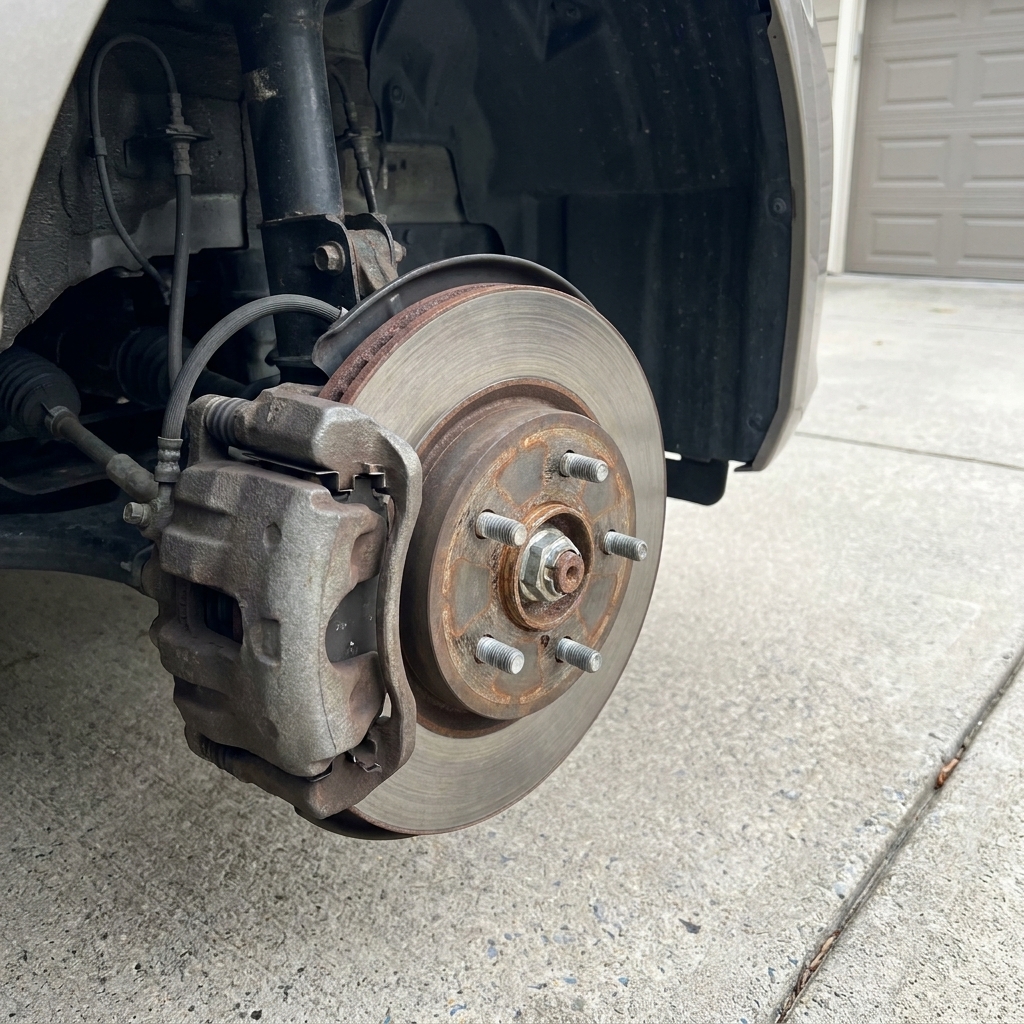
- Brake caliper piston seal leak (near a wheel)
- Rubber brake hose leak
- Steel brake line corrosion leak (often along the underside)
- Master cylinder leak (can drip down the firewall)
- ABS module fittings (less common)
DIY checks: Check brake fluid reservoir level. Look behind each wheel for wetness on the tire sidewall or inside the wheel. Press the brake pedal and hold it, if it slowly sinks, stop and investigate.
Can you drive? Treat brake fluid leaks as a do-not-drive situation. Brakes are not the system you “monitor for a week.”
Clear water puddle: A/C condensation
What it looks like: Clear, watery, no oily feel, no real smell.
Where it appears: Typically on the passenger side under the engine bay area after running the air conditioning.
DIY checks: Touch it with a paper towel. If it dries with no residue and feels like plain water, it probably is. If it is tinted or sweet-smelling, reassess for coolant.
Blue watery puddle: windshield washer fluid
What it looks like: Often bright blue (sometimes green or orange depending on brand). Watery, not oily. Usually has a mild cleaner or alcohol smell.
Common sources:
- Washer reservoir crack (often low in the front bumper area)
- Washer pump grommet leak
- Hose popped off or split line
- Rear washer line leak (wagons and SUVs), can drip mid-car
DIY checks: Fill the washer reservoir, then run the washers and look underneath for fresh dripping. Check around the pump area at the bottom of the reservoir for wetness.
Can you drive? Usually yes. It is more of a visibility and convenience problem than an immediate mechanical risk, but fix it soon if you drive in dirty weather.
Very thick, strong sulfur smell: gear oil
What it looks like: Light amber to dark brown. Very thick and sticky. The smell is the giveaway, sharp and sulfur-like.
Common sources:
- Differential cover gasket or RTV seepage
- Pinion seal (where driveshaft meets differential)
- Axle seals
- Manual transmission output seals
- Transfer case seals (4WD/AWD)
DIY checks: Look at the differential housing for wetness. A pinion leak often flings fluid in a circular pattern under the car. On trucks and SUVs, also look at the front differential and transfer case for wetness.
Can you drive? A slow seep might be okay short-term, but low gear oil can destroy bearings and gears. Get it addressed soon.
Gas smell, fast spread, possible rainbow sheen: fuel
What it looks like: Clear to pale yellow. Spreads quickly. Often evaporates fast. Strong gasoline odor.
Common sources:
- Fuel line leak
- Fuel injector seal leak
- Fuel tank seam or filler neck issue
- EVAP lines and connections near tank
DIY checks: If you smell raw fuel, do not start the car. Look for drips near the tank area and along fuel lines. If you cannot immediately identify it, get help.
Can you drive? No. Fuel leaks are a fire risk.
Clear liquid near the battery: battery acid risk
What it can look like: Not always obvious as a “puddle.” You might see wetness around the battery tray, heavy white or blue-green corrosion on terminals, or paint that looks etched.
What to do: Treat it as hazardous. Avoid skin contact and do not wipe it with bare hands. If you suspect battery acid leakage, get the battery and charging system checked.
Why color alone can fool you
In the real world, fluids get dirty and mix:
- Coolant turns brown if it is old or contaminated, or if it is picking up rust from the cooling system.
- ATF can look brown when it is overheated, old, or mixed with grime.
- Engine oil can look red if it is fresh and you are seeing it in thin film on concrete.
- Washer fluid can be blue and watery, and it can leak from the reservoir or lines.
When in doubt, use the full checklist: location, feel, smell, and a quick level check.
Find the source, not just the puddle
A puddle shows where the fluid lands, not where it starts. Airflow while driving and gravity can move it around.
DIY ways to trace a leak
- Clean first: Degrease the area, rinse, and let it dry. Fresh leaks are easier to spot.
- Use UV dye: UV dye kits exist for oil, coolant, and A/C. Add dye, drive briefly, then inspect with a UV light.
- Look for wet trails: The highest wet point is usually close to the source.
- Check after a cold start: Some leaks show only under pressure, like coolant leaks as the system warms.
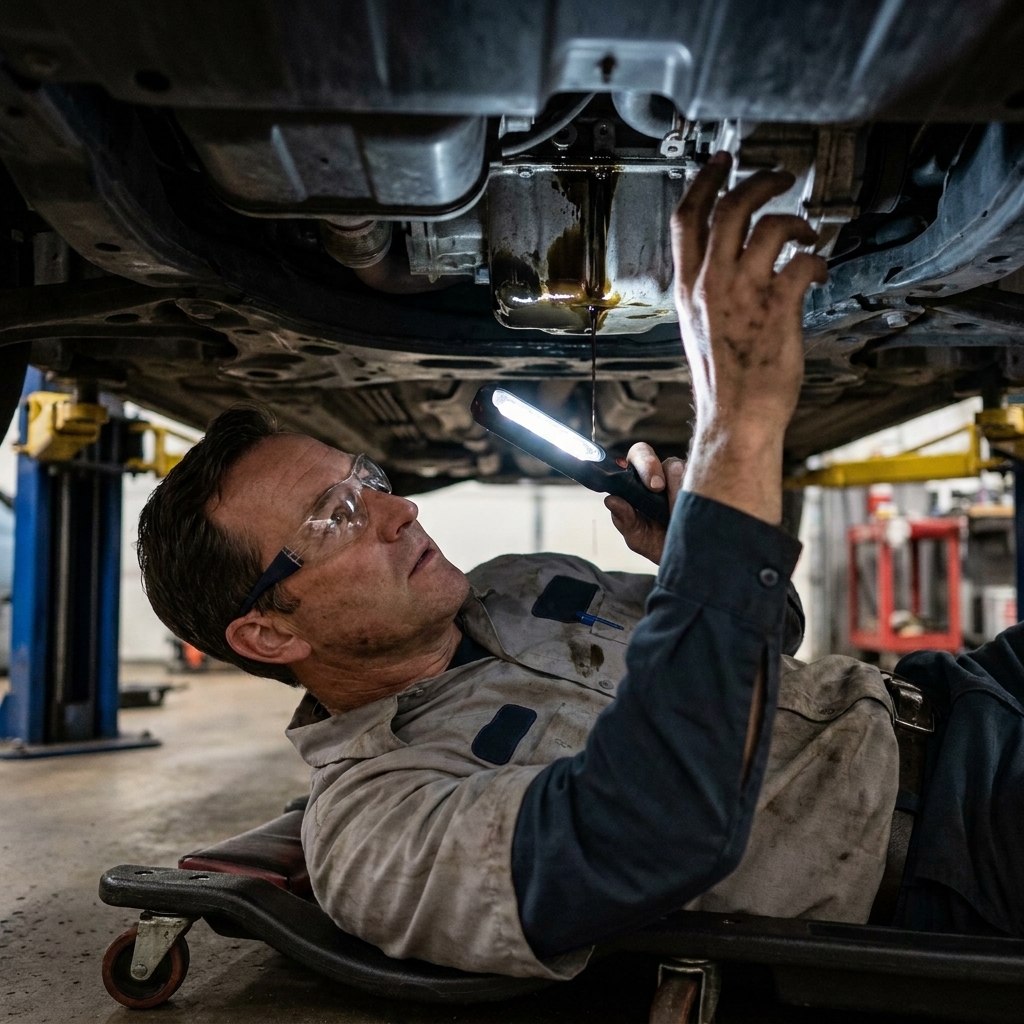
Jack and stands rules (my non-negotiables)
- Use a level surface.
- Use jack stands, not just a jack.
- Chock wheels.
- Never put any part of your body under an unsupported vehicle.
When to stop driving
- Brake fluid leak or brake pedal feels soft or sinks
- Fuel leak or strong gasoline smell
- Coolant pouring out, steam, or temperature gauge climbing
- Oil pressure warning light or loud new engine knocking
- Transmission slipping plus a fresh ATF puddle
If you are unsure, err on the safe side. A tow bill is cheaper than an engine or a hospital visit.
FAQ
What if the puddle is under the car but not under the engine?
Mid-car puddles can be transmission fluid, exhaust condensation, washer fluid (rear washer line leaks can drip mid-car), or even coolant from heater lines on some vehicles. Rear puddles often point to the differential, rear brakes, the fuel tank area, or on trucks and SUVs the transfer case. Use the color and smell tests, then trace upward for the wettest point.
Can coolant be pink or orange?
Yes. Modern coolants come in several colors depending on chemistry. Color is not a reliable indicator of coolant type, but it is a reliable indicator that the fluid is likely coolant when paired with the sweet smell and watery feel.
Is it normal for a car to leak water after using A/C?
Often, yes. The A/C evaporator creates condensation that drains to the ground. Clear, odorless water on the passenger side after running A/C is usually normal.
What does a burning smell with oil drops mean?
Typically oil dripping onto a hot exhaust component, often from a valve cover gasket or a spill from an oil change. It is worth fixing sooner rather than later because it can smoke, stink, and in rare cases become a fire risk if it is heavy enough.
Next step checklist
- Blot the fluid with a white paper towel and note color and feel.
- Smell it carefully from a distance.
- Note puddle location and when it appears (overnight, after driving, after A/C use).
- Check fluid levels: oil, coolant reservoir, brake fluid, power steering (if equipped), ATF if accessible, washer fluid.
- Clean the suspected area and recheck for fresh wetness.
- If it is brake fluid, fuel, or heavy coolant loss, do not drive.
If you want to take it one step further, snap a clear photo of the puddle and the area above it, then compare to the reservoir levels you checked. That combination alone will stop a lot of bad guesses and save you real money.