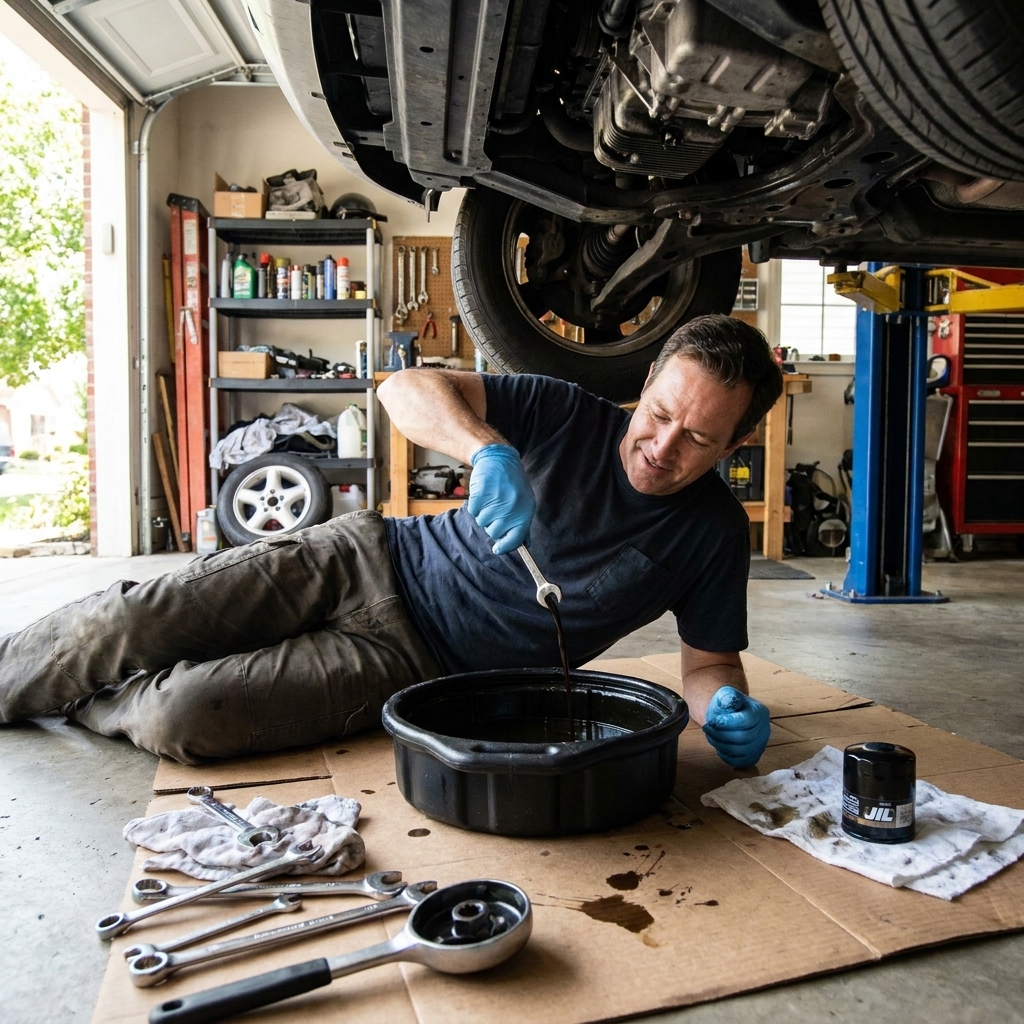
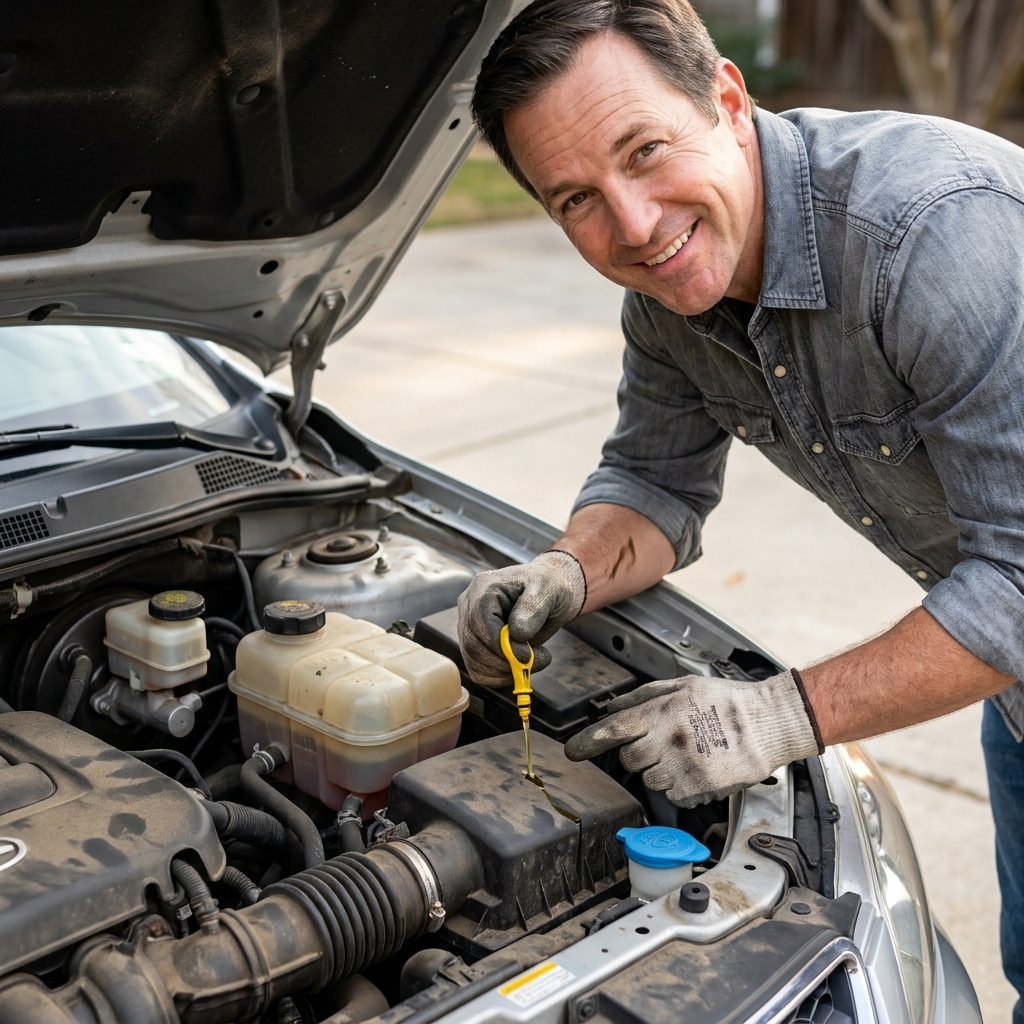
I learned about tire wear the hard way keeping a tired old 1998 Civic alive on a broke-kid budget. Tires are expensive, and most premature wear comes from boring stuff you can actually control. The good news is you do not need fancy equipment or a lift. A $10 gauge, a few minutes a month, and a little attention to how the car feels can add real life to a set of tires.
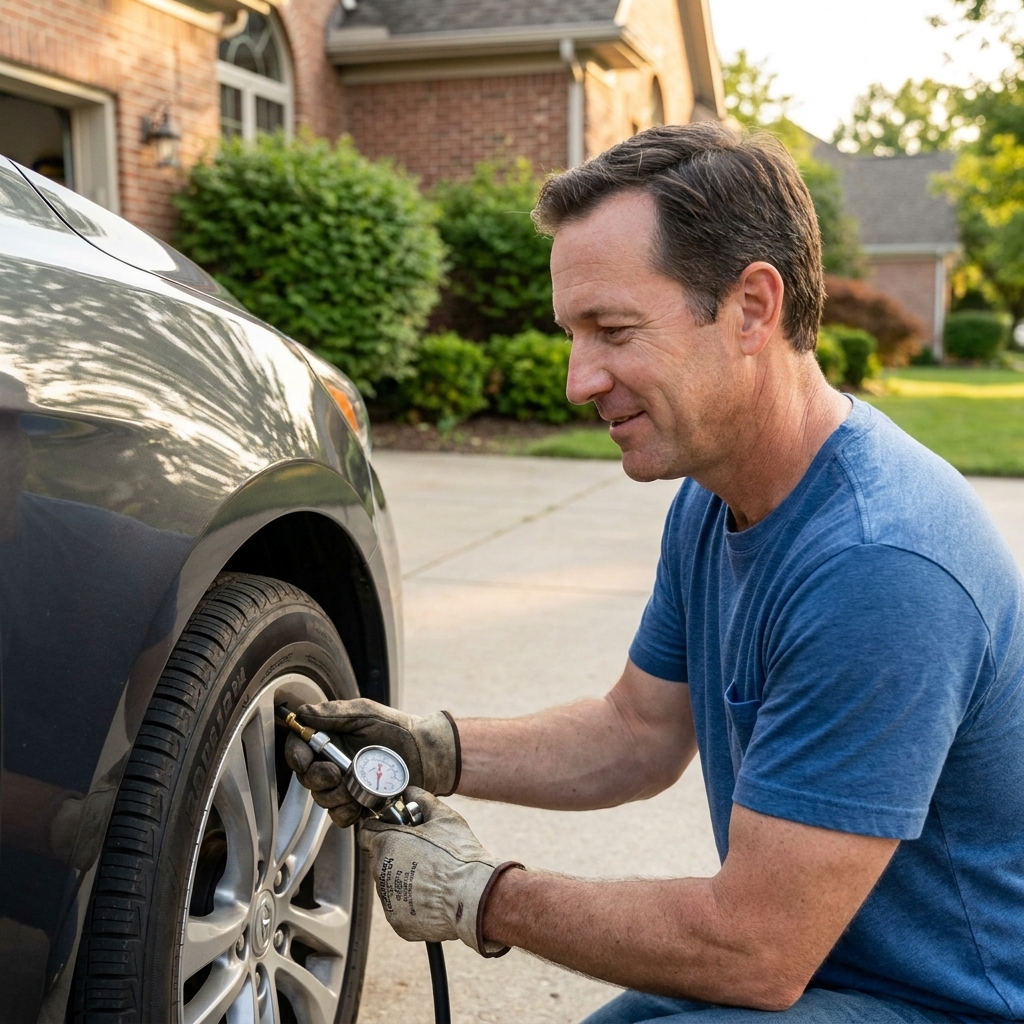
1) Set tire pressure right, not “close enough”
Tire pressure is the big one because it affects everything: tread wear, braking, handling, ride quality, and even how hot the tire runs on the highway. Running low pressure tends to wear the outside shoulders faster and builds heat. Running too high can wear the center and reduce grip.
Do it the right way
- Use the door jamb sticker, not the pressure molded into the tire sidewall. The sidewall number is the tire’s max, not your car’s target.
- Check cold: ideally before driving, after the car has sat for 3 hours, or when you have driven less than a mile at low speed.
- Use a real gauge: the gas station hose gauges are often way off.
- Adjust for seasons: as temperatures drop, pressure drops too. Rough rule is about 1 psi per 10°F change, give or take depending on starting temp and conditions.
My habit: I check pressure on the first weekend of the month. Same time, every month. Takes five minutes and saves tires.
One more reality check: TPMS is not a “perfect pressure” light. It often comes on when a tire is already significantly low, so do not wait for the dash to tell you.
2) Rotate on schedule, not vibes
Front tires usually wear faster on front-wheel-drive cars because they handle driving and steering. On rear-wheel-drive, the rears can wear faster. Rotation keeps wear more even so you get maximum usable tread out of all four tires.
Intervals that work
- Every 5,000 to 7,500 miles is a solid rule for most daily drivers.
- If you do lots of short trips, rough roads, or aggressive driving, lean closer to 5,000 miles.
Match the pattern to your setup
- Same size, non-directional tires: typical patterns are front-to-rear or a crisscross pattern depending on the vehicle.
- Directional tires (arrow on sidewall): rotate front-to-rear only unless you remount tires on wheels.
- Staggered sizes (wider rear than front): rotation may be limited or impossible. Check your owner’s manual.
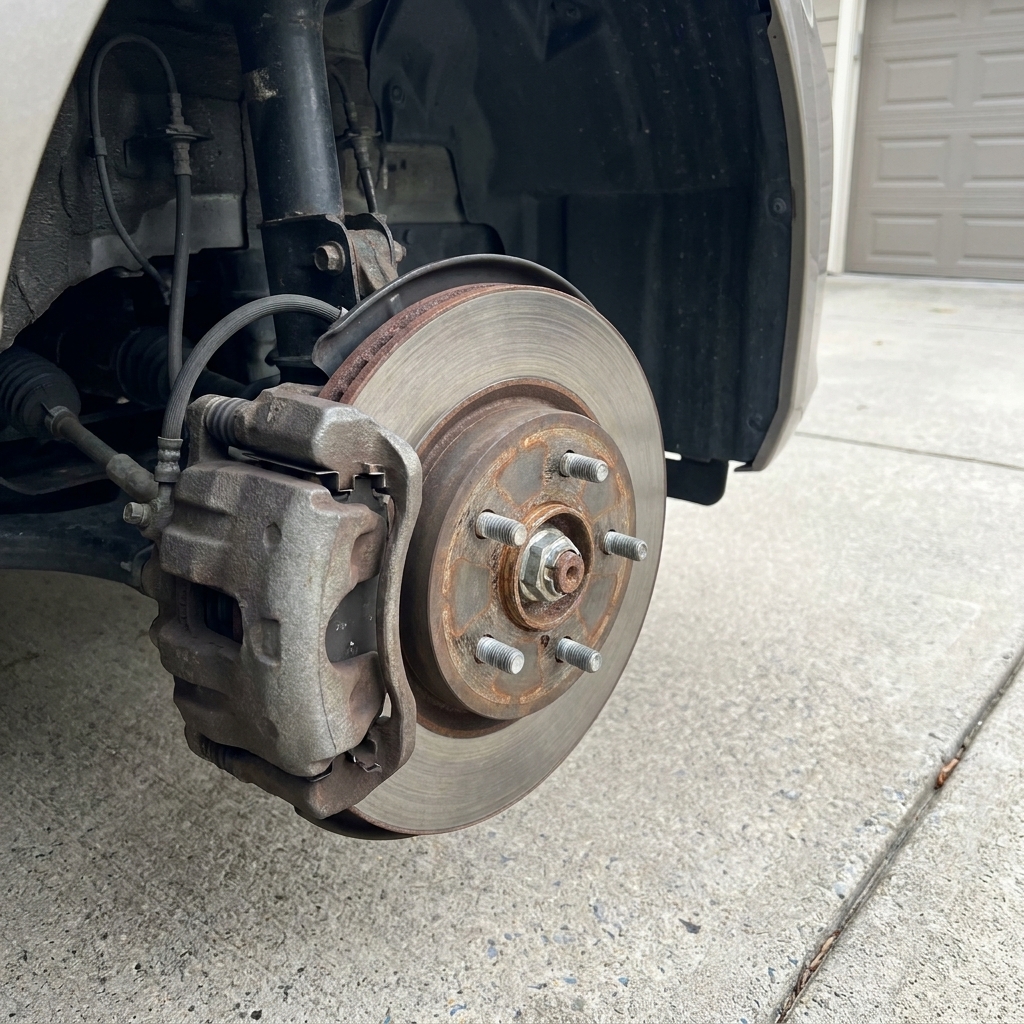
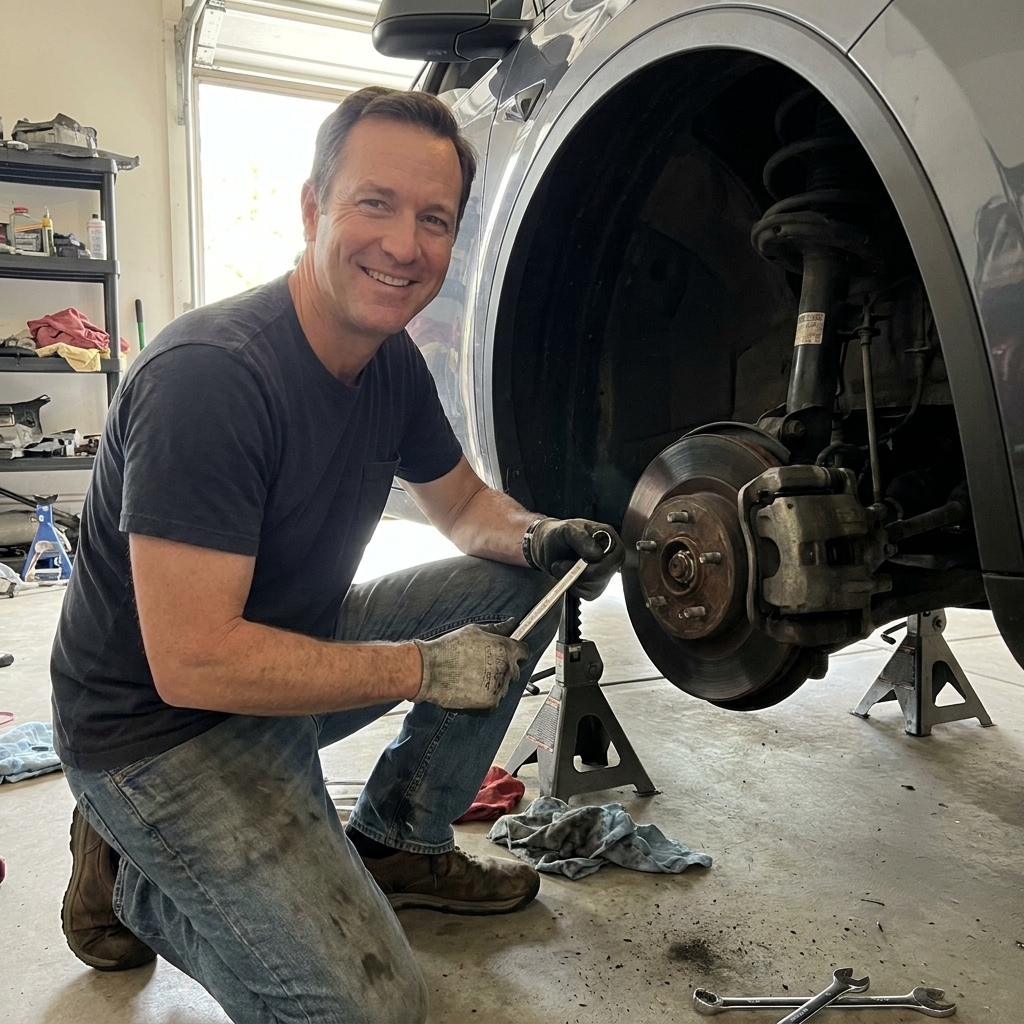
If you DIY rotations, torque your lug nuts properly. Uneven torque can contribute to rotor runout and brake pulsation complaints over time, and at minimum it makes future removal a miserable job.
Quick safety note: if you lift the car, work on level ground and use jack stands. A jack is for lifting, not for holding your life up.
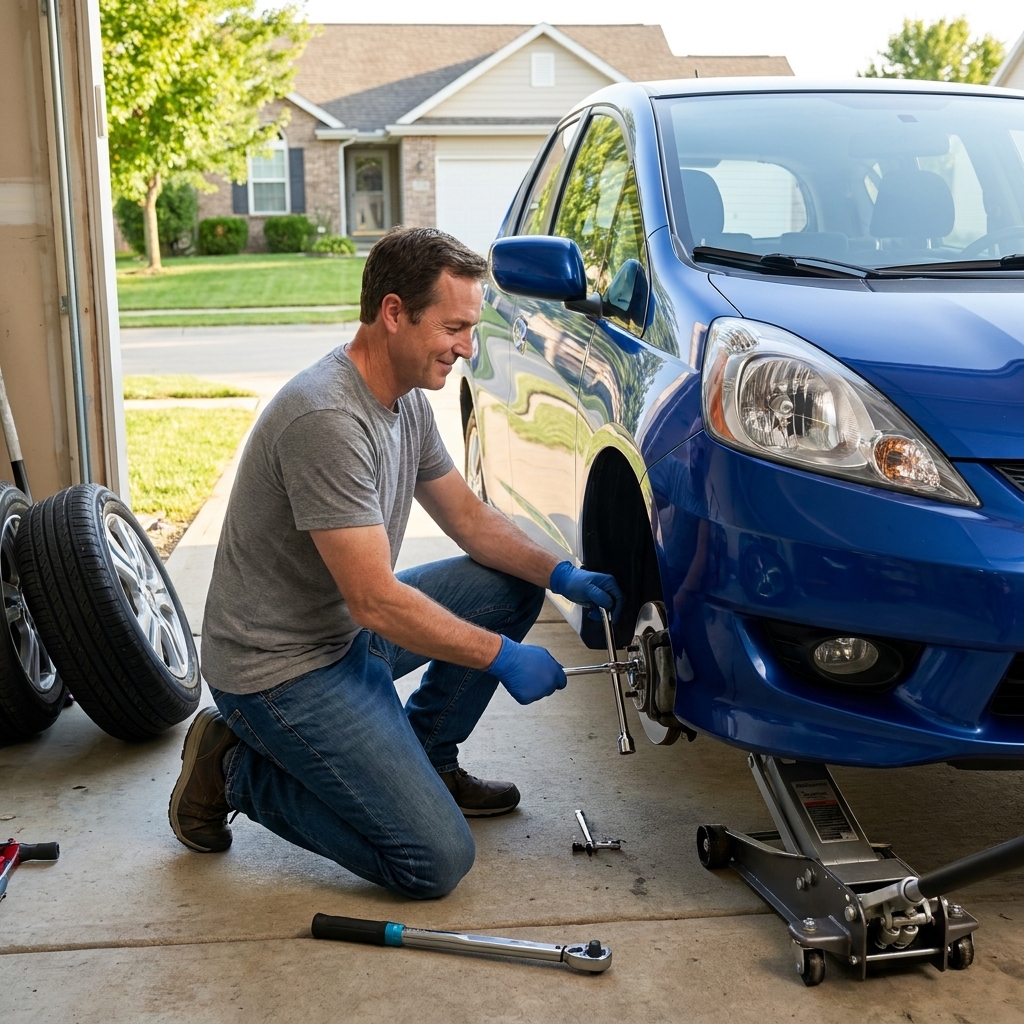
3) Balance when you feel vibration
Balancing is not only about comfort. It can also affect tread wear. An out-of-balance tire can bounce or shimmy and create irregular wear patterns like cupping. It also makes the car feel cheap and tired even when nothing is “broken.”
Signs you need a balance
- Steering wheel vibration at certain speeds, often 55 to 75 mph
- Seat or floor vibration that comes and goes with speed
- New tires installed but the car suddenly feels shaky on the highway
Balancing is usually inexpensive at a tire shop, and many places include it with tire purchase. If you are already getting a rotation, ask them to check balance if you have even a hint of vibration.
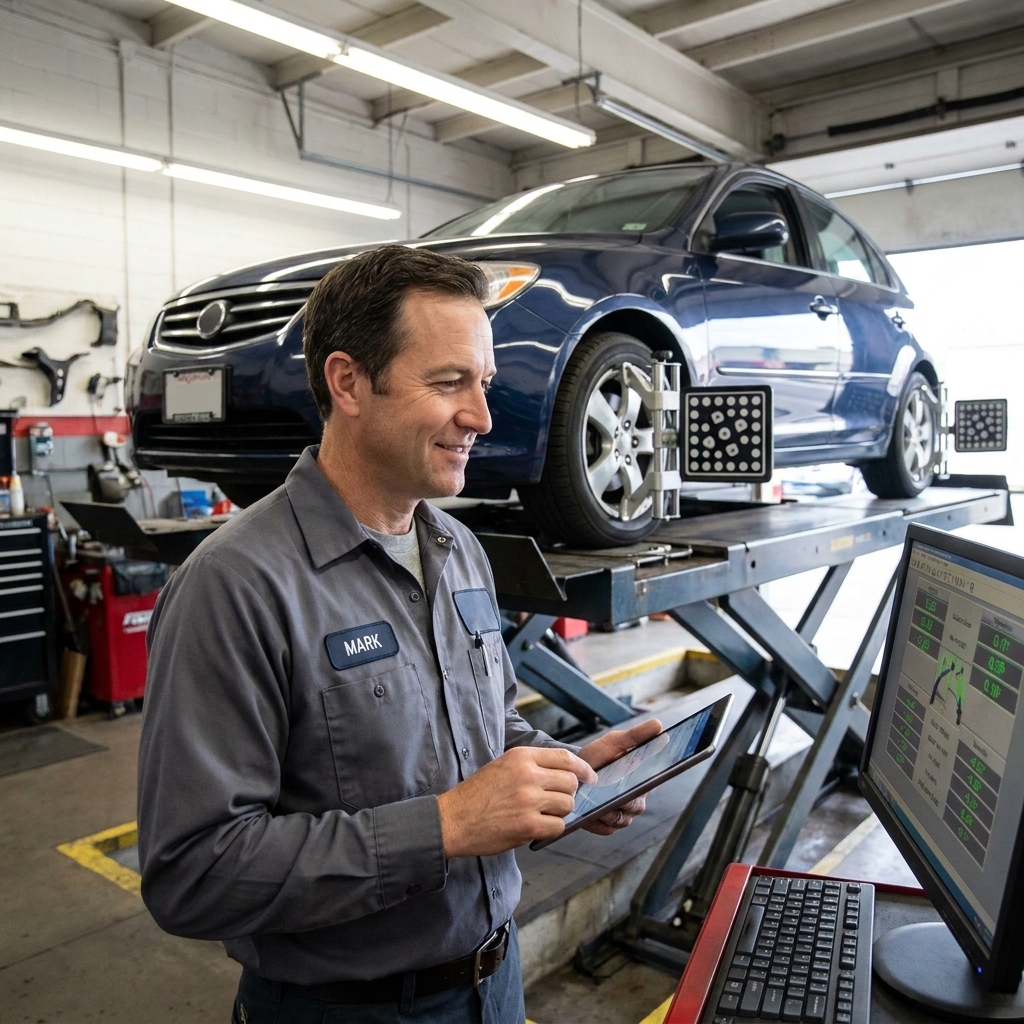
4) Get an alignment when wear looks off
Alignment issues are tire killers. I have seen severe toe misalignment chew up a set of tires in a few thousand miles. The painful part is the car may still drive “fine” until the damage is done.
When to suspect alignment
- The car pulls left or right on a flat road
- The steering wheel is off-center when driving straight
- You hit something hard: big pothole, curb, road debris
- Uneven wear: inside edge bald while the rest looks decent is a classic
Quick driveway check: run your palm lightly across the tread. If it feels smooth one direction and sharp the other, you may be feeling feathering from toe wear.
If an alignment will not hold, or the shop says it “won’t align,” do not ignore it. Worn tie rods, ball joints, control arm bushings, or tired shocks and struts can create weird wear patterns and defeat even a good alignment.
5) Match pressure to the load
This is the one that sneaks up on people. If you regularly haul tools, sports gear, a full family, or you tow, your tires are working harder. Underinflation under load builds heat fast, and heat is what breaks down rubber and shortens tire life.
- Check your owner’s manual for load and towing guidance.
- If your vehicle has separate specs for normal vs heavy load, use them.
- If your manual or placard does not list a higher load pressure, stick with the placard and do not guess higher unless you are following manufacturer guidance.
- Do not exceed the tire’s max pressure on the sidewall.
If you tow, also make sure your trailer tires are at their specified pressure. Trailer tires hate low psi even more than car tires.
6) Drive like you want them to last
I am not here to scold anybody. I like a good on-ramp as much as the next coffee-fueled gearhead. But tire wear is friction, and friction is something your right foot controls.
Habits that chew through tread
- Hard launches and aggressive acceleration, especially in front-wheel-drive cars
- Late, hard braking that scrubs rubber off the tread
- Fast cornering that overloads shoulders
- Clipping curbs when parking, which can damage sidewalls and knock alignment
Small changes that pay off
- Accelerate smoothly and brake earlier
- Take potholes seriously and slow down when the road is rough
- Give yourself an extra second in turns instead of muscling the steering wheel
Bonus: these habits also help your brakes, suspension, and fuel economy. Tires just make the savings obvious.
7) Inspect tread and catch the small stuff
Most tire issues give you warning signs. The trick is looking often enough to notice the early stages.
Five-minute inspection checklist
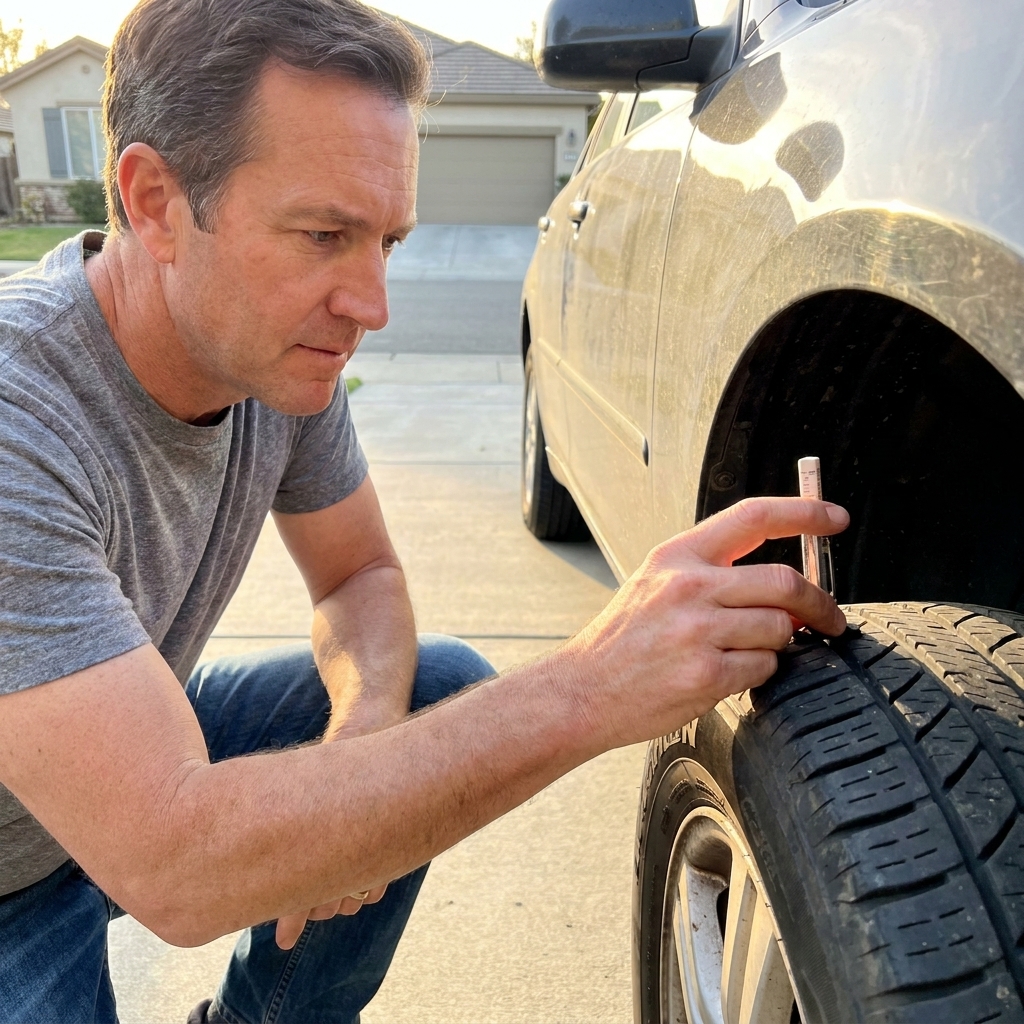
- Tread depth: use a tread gauge if you can. As a baseline, 2/32 inch is the legal minimum in many places, but for real-world safety most people should start shopping around 4/32 inch for wet conditions and 6/32 inch for snow.
- Wear pattern: shoulders, center, and inner edges should look similar.
- Foreign objects: screws and nails happen. The sooner you catch it, the better the odds of a repair instead of a replacement.
- Sidewall condition: look for bubbles, deep scuffs, or cracks.
- Valve stems: dry, cracked stems leak slowly and make you chase pressure problems.
Quick rule from the shop: if you are adding air more than once a month to the same tire, treat it like a leak until proven otherwise. Slow leaks almost always get worse.
8) Do not ignore tire age
You can do everything right and still end up with tires that age out. Rubber hardens. Tiny cracks start. Wet grip drops off long before a tire looks “bald.”
- Check the DOT date code on the sidewall. It ends in four digits, like 2322, meaning the 23rd week of 2022.
- If your tires are getting up there in years, inspect for cracking and have a shop take a look even if the tread seems fine.
Different manufacturers and vehicles have different guidance, but if you are in the 6 to 10 year range, you should be paying attention.
A tire-life routine you will follow
If you want the “me in a drafty garage” version of a plan, here it is:
- Monthly: check and set pressures cold, quick visual inspection
- Every 5,000 to 7,500 miles: rotate tires
- Anytime you feel vibration: balance check
- After a big pothole or odd wear: alignment check
- Twice a year: take a hard look for cracking and check the DOT date codes
Do those things consistently, and you will be shocked how many extra miles you get out of a set.
FAQ
How much longer can tires last with proper maintenance?
It depends on the tire, vehicle, and driving, but even wear is the key. I have seen the same tire model die at 25,000 miles from neglect and go 45,000 to 60,000 miles with pressure checks and rotations done on time.
Is nitrogen worth it for tire life?
For most daily drivers, regular air is fine. The real benefit comes from consistent pressure. If nitrogen is free and convenient, great. If not, spend that effort on checking psi monthly.
Should I replace just one tire if it is worn out?
Sometimes you can, but tread depth mismatch can be an issue, especially on AWD vehicles. Many AWD systems are sensitive to different rolling diameters. When in doubt, check your owner’s manual or ask a tire shop to measure remaining tread and recommend a safe match.
Does tire type matter for wear?
Yes. Stick to the correct size, load index, and speed rating for your vehicle. A tire that is under-rated for the load, or a mismatched set, can wear faster and handle worse even if your pressures are perfect.