If you want your car to hit 200,000 miles without draining your wallet, the 30k, 60k, and 90k-mile service intervals are where the magic happens. Not because they are glamorous, but because they are the point where little wear items turn into expensive problems if you ignore them.
I used to see it every week in the shop: a car rolls in for a “weird noise” or a check engine light, and the root cause is basic maintenance that got skipped at 60k. The good news is most of this is totally doable in a driveway with basic tools, a little patience, and a willingness to get your hands dirty.
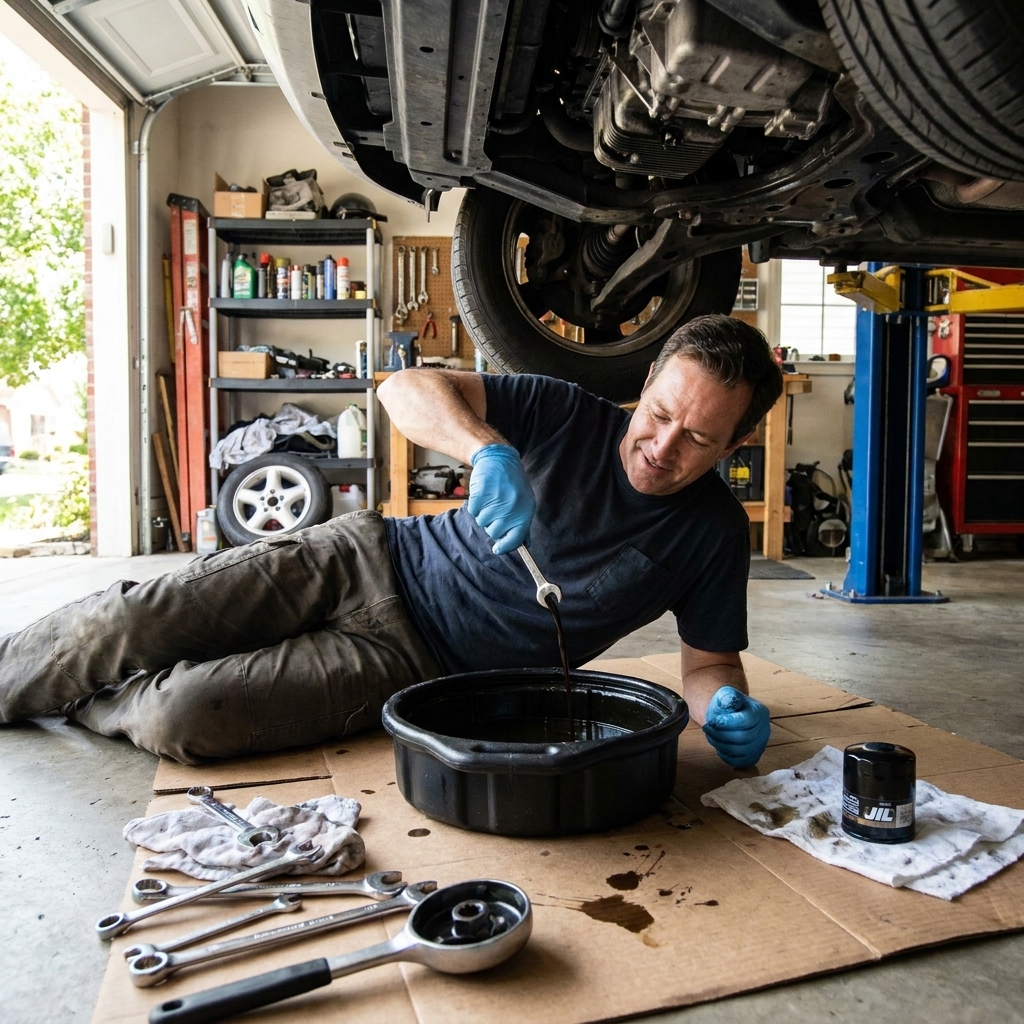
Before we dive in: always start with your owner’s manual maintenance schedule. This checklist is a high-confidence “covers most vehicles” guide, but your exact engine, transmission, and driving conditions can change the details.
One more thing people miss: a lot of maintenance is time-based, not just mileage. Brake fluid, coolant, belts, hoses, and tires can age out even if you do not drive much.
Quick caveat: this guide is aimed at gas and diesel (ICE) vehicles. Hybrids and EVs can have totally different needs (and sometimes multiple coolant loops), so lean harder on the manual if you drive one.
How to use this checklist
- Work from easiest to hardest: filters, fluids, inspections first. Save spark plugs, brakes, and belt work for when you have time.
- Bundle jobs: if the wheels are coming off for a tire rotation, do a brake inspection at the same time.
- Document everything: mileage, date, parts used, fluid type. A $3 notebook saves you from guessing later.
- Severity matters: lots of short trips, towing, extreme heat or cold, and dusty roads usually mean shorter intervals.
Pro tip from a mechanic who hates comebacks: if you are unsure whether a fluid was ever changed, assume it was not and baseline it now (using the correct spec and procedure).
Tool and supply basics
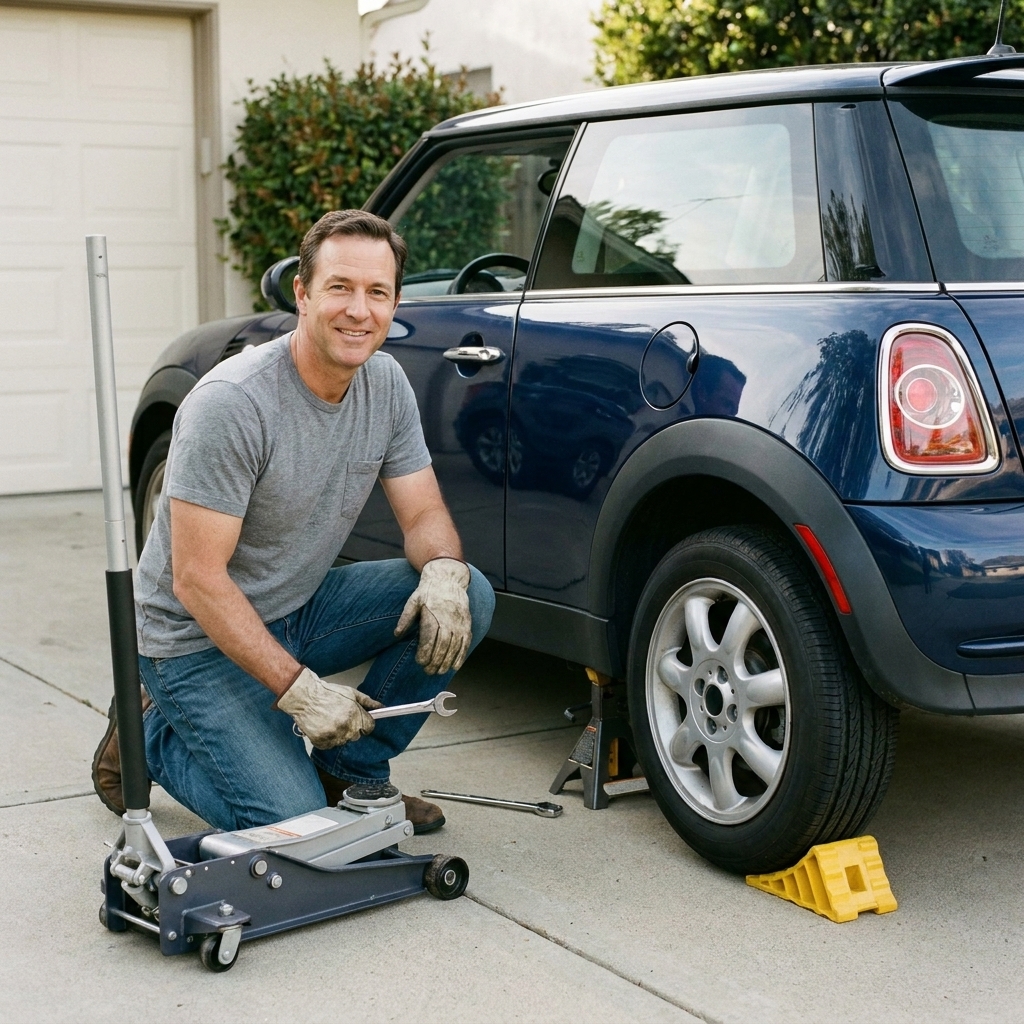
You do not need a professional lift to maintain your car, but you do need to take safety seriously.
Safety must-haves
- Quality jack stands (never rely on a jack alone)
- Wheel chocks
- Safety glasses and nitrile gloves
- Tire-safe torque wrench (for wheels and anything critical)
Common DIY maintenance tools
- Socket set with extensions (yes, protect your precious 10mm)
- Oil filter wrench (style depends on your filter)
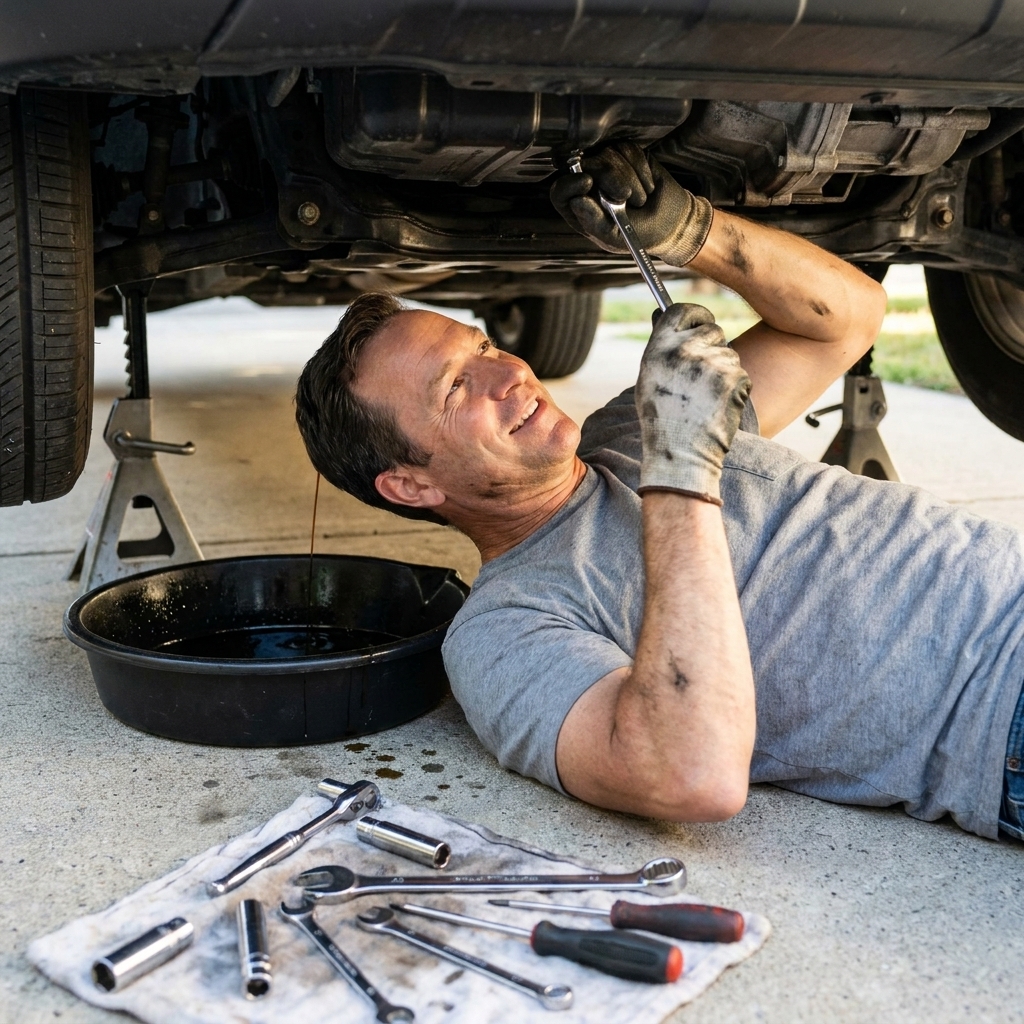
- Drain pan and funnel
- Tire pressure gauge and tread depth gauge
- OBD2 scanner (a simple one is fine)
- Brake cleaner, rags, and a small wire brush
- Multimeter (handy for basic battery and charging checks)
The 30k checklist
Think of 30k as your “keep it healthy” service. You are preventing wear, catching leaks early, and making sure the basics are not slowly cooking the engine or transmission.
Do now
- Engine oil and filter: Even if you change oil more often, use 30k as a checkpoint to confirm you are using the correct oil grade and a quality filter.
- Rotate tires and check alignment symptoms: Uneven wear, steering pull, or a crooked steering wheel are clues. Rotation is DIY. Alignment is usually a shop job.
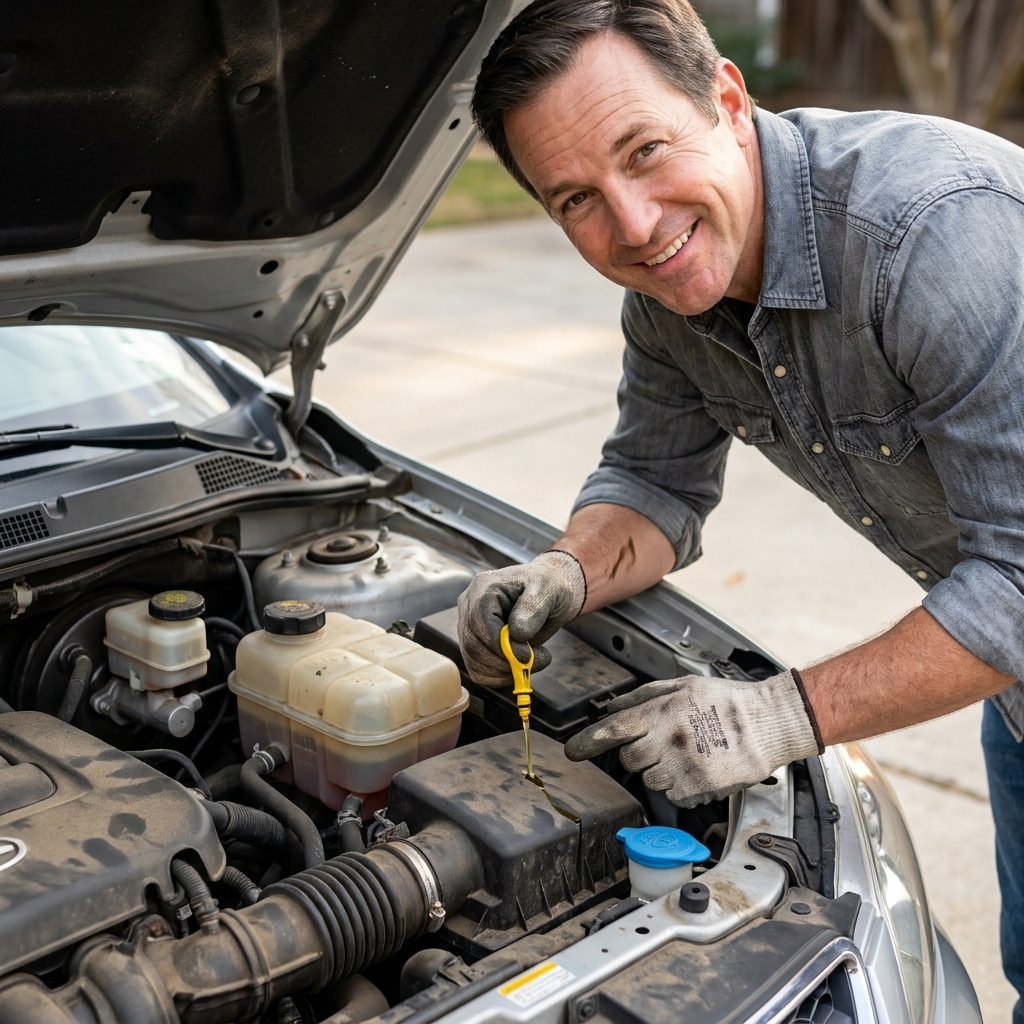
- Check all fluids: coolant level, brake fluid level, power steering (if applicable), windshield washer, and transmission fluid level (only if your vehicle has a dipstick and the manual describes the correct procedure).
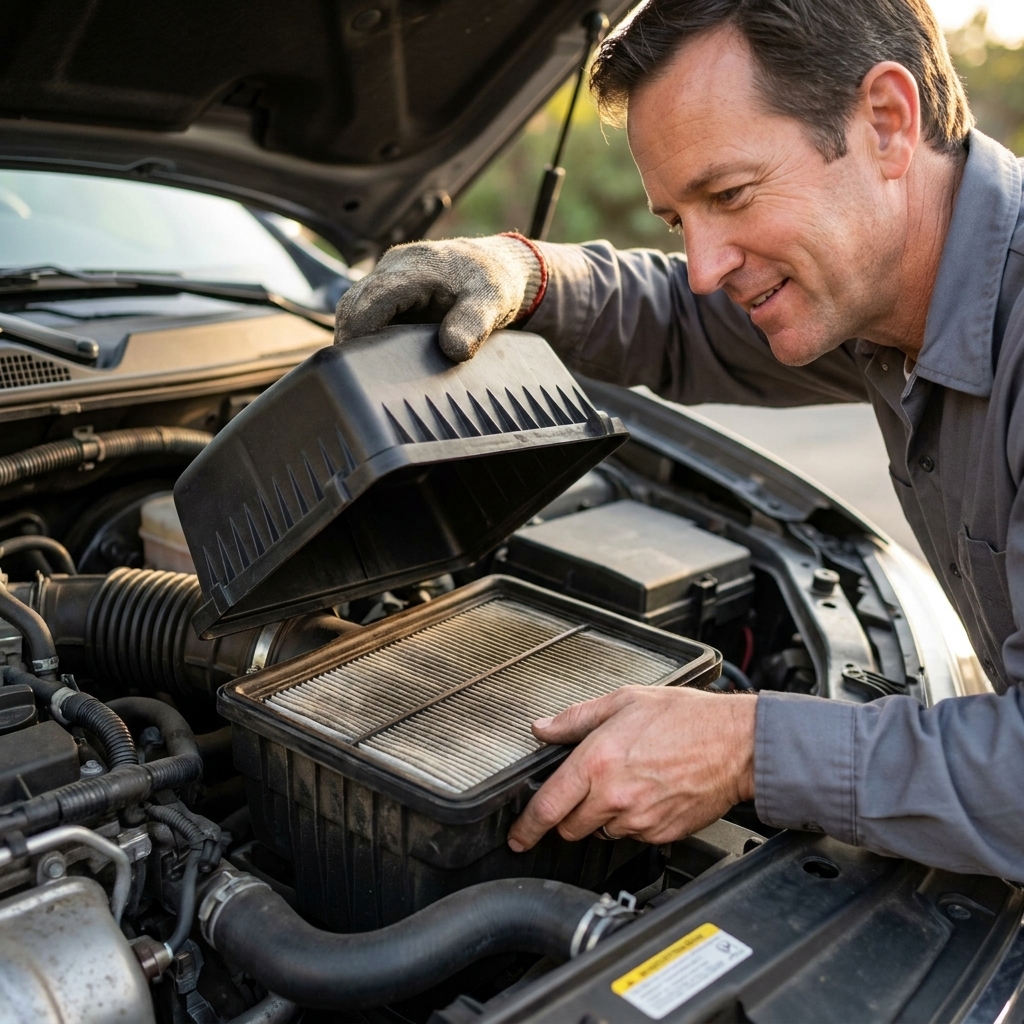
- Replace engine air filter: Easy, cheap, and it helps fuel economy and drivability.
- Replace cabin air filter: Your lungs will thank you, and your HVAC blower will run easier.
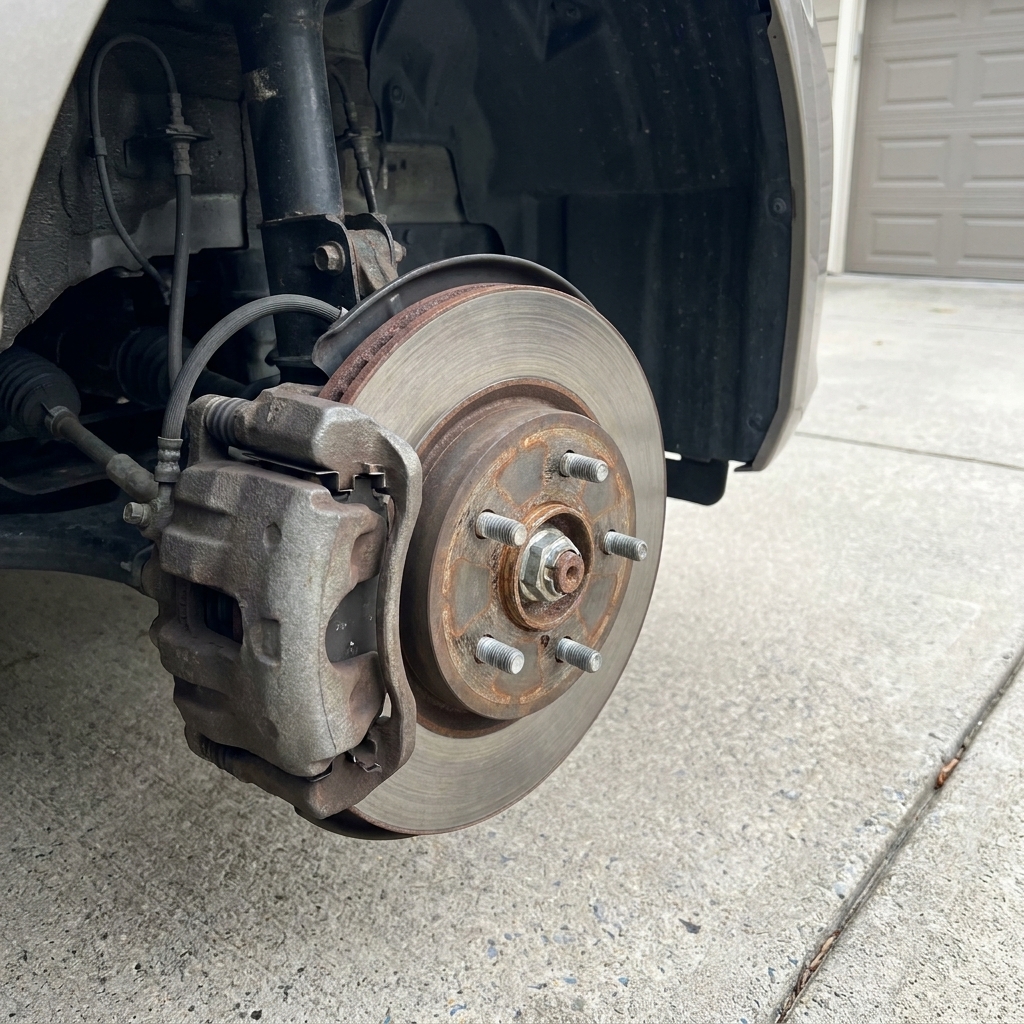
- Inspect brakes: pad thickness, rotor condition, caliper leaks, and brake hose cracking. If you are pulling wheels for rotation, you are halfway there.
- Inspect battery: clean terminals and do a quick voltage check. If it is more than a few years old or you are seeing slow cranks, get a load test done.
Inspect closely
- Wiper blades and washer spray pattern
- Serpentine belt: look for cracking, missing ribs, glazing, or fraying
- Hoses: swelling near clamps, crusty residue, or soft spots
- Lights: all exterior bulbs, including brake lights
- Suspension and steering: torn CV boots, leaking struts, loose sway bar links
- Tire condition and age: look for sidewall cracking and dry rot, and check the DOT date code. Old tires can be unsafe even with good tread.
Optional but smart
- Throttle body cleaning (some vehicles benefit, others do not): Only if you have rough idle and you know your engine is okay mechanically. Use the correct cleaner and do not force electronic throttle plates.
- MAF sensor cleaning (only if symptomatic): If you have drivability issues and suspect a dirty MAF, use MAF-safe cleaner only. Do not touch the sensing element.
- Fuel system cleaner: Use sparingly. A quality in-tank cleaner can help with injector deposits and general fuel system varnish. It will not fix intake-valve carbon buildup on many direct-injection engines, because fuel does not wash the intake valves.
The 60k checklist
At 60k, you start replacing parts that have been quietly working since day one. If you do this interval right, your car usually rewards you with a long, drama-free middle age.
Do now
- Engine oil and filter
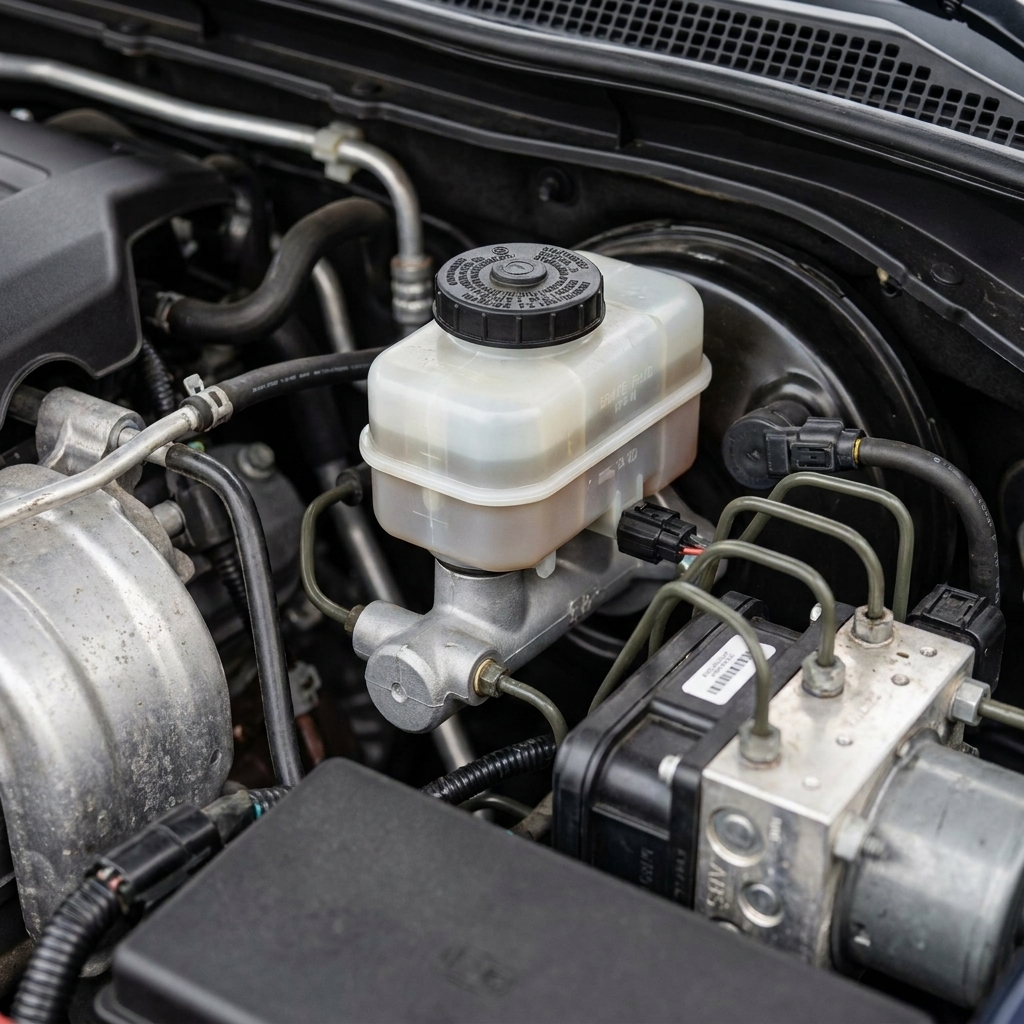
- Brake fluid exchange: Brake fluid absorbs moisture over time, which can corrode expensive ABS components and reduce braking performance under hard use. Many manufacturers call this by time (often every 2 to 3 years), not mileage, so follow the manual. If bleeding brakes makes you nervous or your vehicle requires scan-tool ABS bleeding, this is a very reasonable shop job.
- Transmission service: This is highly vehicle-dependent. Many modern automatics want a drain-and-fill, some have serviceable filters, some are “sealed” but still have a service procedure. Follow the manual and use the exact fluid spec. Wrong fluid can cause shifting issues fast. Also, the level check can be temperature-sensitive on many designs, so do not freestyle it.
- Coolant service: Some cars use long-life coolant that goes well past 60k, others do not. Time matters here too (often around 5 years, give or take). If your coolant is original and the manual allows service here, do it. If you are not comfortable bleeding air properly or dealing with a vacuum-fill procedure some models want, pay a shop once and baseline it.
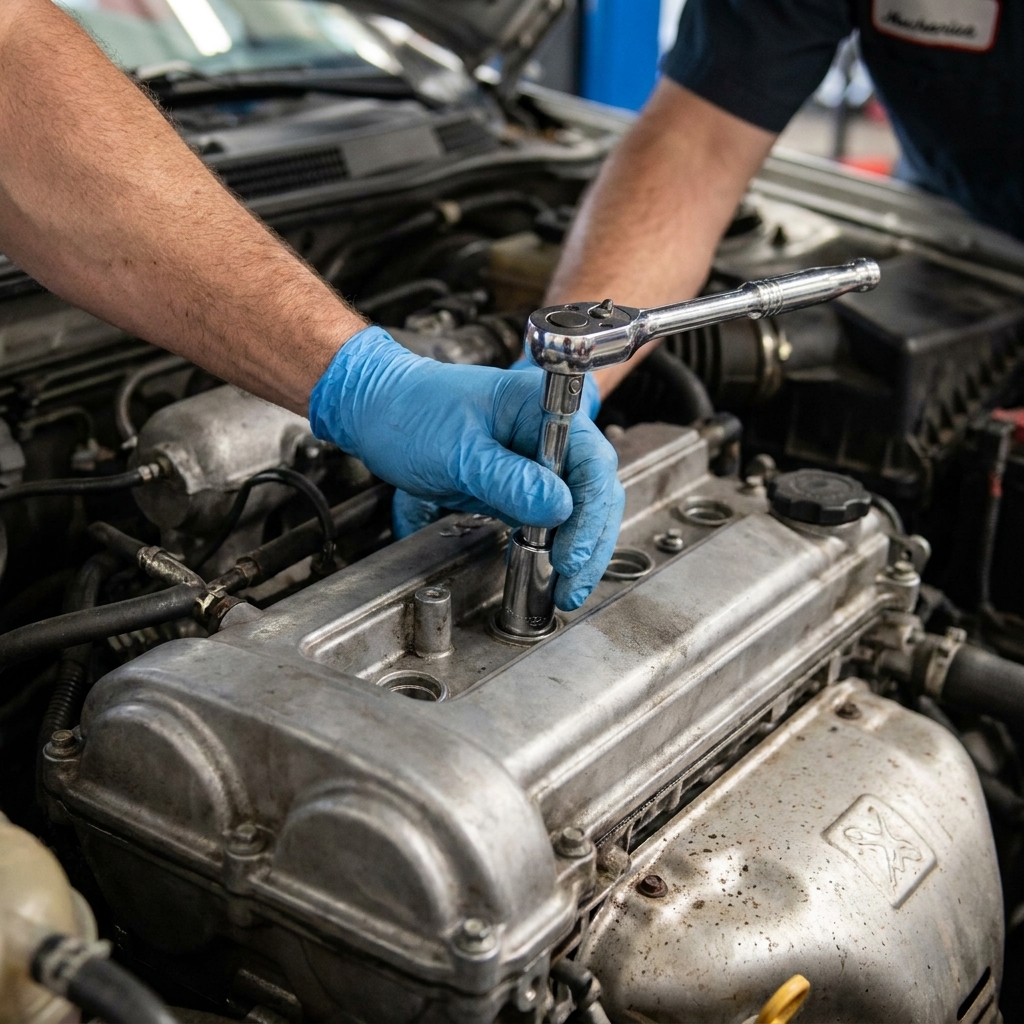
- Replace spark plugs (if your manual calls for it): Many iridium plugs are rated 60k to 100k, but plenty of vehicles want them at 60k. Misfires at 72k are not “bad luck.” They are often overdue plugs.
- Inspect ignition coils and boots: Not always replaced proactively, but look for oil in plug wells, cracked boots, or signs of arcing.
- Replace engine and cabin air filters (if not done sooner)
Driveline and chassis checks
- Brake hardware inspection: check slide pins for smooth movement, boot condition, and uneven pad wear. Sticking calipers love to show up around this mileage.
- Wheel bearings: listen for humming that changes with speed and gets louder when turning one direction.
- Engine and transmission mounts: look for torn rubber and clunks on acceleration shifts.
- Exhaust: rust, loose heat shields, and leaks near flanges.
Depending on your vehicle
- Differential fluid (RWD/AWD/4WD): Many diffs want service at 30k to 60k, especially if towing.
- Transfer case fluid (4WD/AWD with a serviceable case)
- Valve clearance inspection (common on some Hondas, Subarus, motorcycles and certain engines): Usually not DIY for beginners, but worth knowing it exists.
The 90k checklist
90k is where you stop thinking like “maintenance” and start thinking like “insurance.” You are replacing wear items before they strand you, overheat you, or take out other components.
Do now
- Engine oil and filter
- Full brake inspection: Many cars will be due for pads and possibly rotors somewhere between 60k and 100k depending on driving style. Measure pad thickness, inspect rotors, and confirm calipers slide smoothly.
- Coolant check or service: If you did not replace coolant at 60k and your manual allows, 90k is a strong checkpoint. Also inspect radiator cap and hoses.
- Transmission service: If you did a drain-and-fill at 60k, many vehicles benefit from another at 90k, especially under severe use. Follow the correct fill procedure and spec every time.
- Replace spark plugs (if not done at 60k): Do not push this too far. Worn plugs strain coils, and coils are not cheap.
Timing belt vs timing chain
This is the big fork in the road:
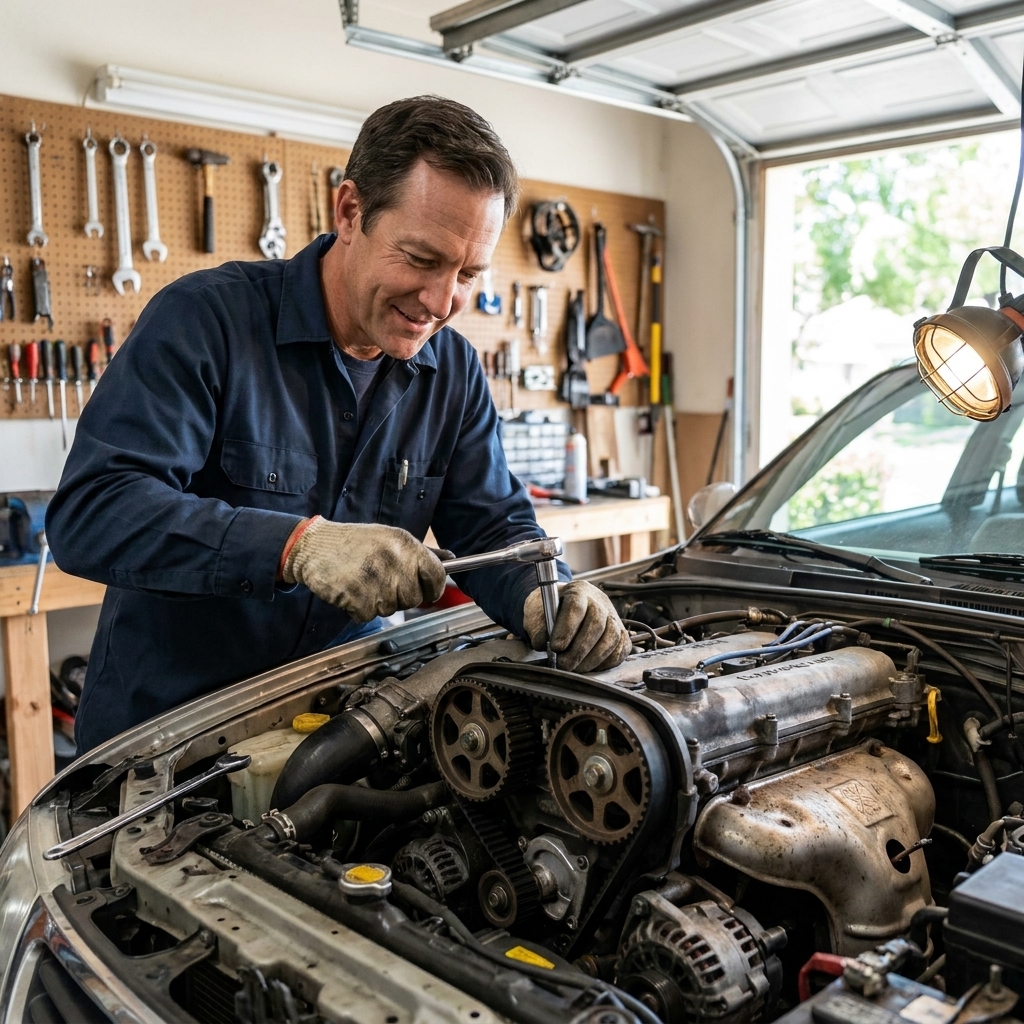
- If your engine has a timing belt, 90k to 105k is a common replacement window. Many timing belt jobs also include the water pump, tensioners, and idler pulleys because the labor overlaps. On many engines, a broken belt can bend valves. That is not a “tow it home and try again” situation. That is an engine repair.
- If your engine has a timing chain, you usually do not replace it on a schedule. What you do instead is stay religious about oil changes and listen for chain rattle on cold starts. Some engines also have known tensioner or phaser issues even with good maintenance, so take new noises seriously.
If you are unsure which you have, look it up by year, make, model, engine, and VIN if needed. Or flip through the maintenance section of your owner’s manual.
Rubber and wear items
- Serpentine belt replacement: Even if it looks okay, 90k is a common time to replace it proactively (and age can matter as much as miles).
- Inspect all coolant hoses and replace any that feel spongy, swollen, or crusty at the ends.
- PCV valve (if serviceable): A stuck PCV can cause oil leaks and poor idle on some engines.
- Struts and shocks: Not always “failed,” but by 90k many are tired. Signs include bouncy ride, nose dive when braking, cupped tire wear, and reduced stability over bumps. That can contribute to longer stopping distances and premature tire wear.
Monthly quick checks
This is the stuff that keeps small problems from turning into big ones between those mileage milestones.
- Tire pressure: Set it cold, using the door jamb sticker spec, not the sidewall max.
- Tire glance test: look for nails, bubbles, and new cracking. If the tires are getting older, re-check the DOT date code and sidewalls.
- Fluid spot check: oil level, coolant reservoir level, washer fluid.
- Walk-around lights: especially brake lights and turn signals.
- Listen and sniff: new squeals, grinding, fuel smell, sweet coolant smell, or burning oil smell are early warnings.
Smart combo jobs
If you are trying to minimize trips under the car, stack jobs that share the same setup.
- Tire rotation + brake inspection: wheels are already off.
- Spark plugs + coil boots: boots are inexpensive and prevent misfires.
- Coolant service + hoses + thermostat: not always required, but smart if you see aging rubber or temperature fluctuations.
- Timing belt + water pump: if your engine uses a belt and the pump is driven by it, doing both saves labor and headaches.
- Transmission service + differential fluid: same “fluid day,” same cleanup.
DIY warnings
Never mix fluid specs
Transmission fluid, coolant types, and even power steering fluids can be picky. Use the exact spec listed in the manual. When in doubt, buy the OEM fluid or a clearly labeled equivalent that explicitly lists your spec.
Do not open a hot cooling system
If the engine is hot, the cooling system is pressurized. Let it cool completely before removing any cap.
Torque your wheels
Over-tightened lug nuts stretch studs. Under-tightened lug nuts loosen. Both can ruin your day. Use a torque wrench and tighten in a star pattern.
If braking feels wrong after brake work, stop
A spongy pedal, pulling, grinding, or a brake warning light after service means you need to re-check your work before driving at speed.
If a procedure is temperature-dependent, treat it like it is
This comes up with modern transmissions especially. Level checks and fill procedures can be tied to fluid temperature, scan-tool data, and specific sequences. If your manual procedure looks fussy, it is fussy for a reason.
FAQ
Do I really need 30k, 60k, and 90k services if I do regular oil changes?
Oil changes are huge, but they are not the whole story. Air filters, brake fluid, coolant, plugs, and belt inspections are what prevent the “random” failures people blame on bad luck.
What is the most skipped item that causes expensive repairs?
Transmission fluid service and brake fluid changes are high on the list. Coolant neglect is right there too, especially when it leads to overheating and head gasket trouble.
How do I know if my car has a timing belt?
Check your owner’s manual maintenance schedule, look up your exact engine code, or call a dealer parts counter with your VIN. Do not guess. The consequences of guessing wrong can be an engine rebuild.
Should I replace spark plugs myself?
Often, yes. The job ranges from “easy afternoon” to “why did they bury cylinder 6 under the cowl.” Look up access for your engine. Use a torque wrench, follow the plug gap guidance for your plug type, and avoid cross-threading by starting plugs by hand.
What if I am behind on maintenance?
Start with safety and reliability: tires, brakes, oil change, coolant condition, and any active warning lights. Then baseline the fluids you cannot confirm, especially brake fluid and transmission fluid, using the correct procedure for your vehicle.
A simple plan
If you want a no-stress approach, here is how I would schedule it in a normal driveway life:
- Weekend 1: oil change, air filters, tire rotation, brake inspection, battery check and terminal cleaning.
- Weekend 2: brake fluid exchange and coolant service (only when the engine is cold, take your time, and if it feels over your head, make it a shop appointment).
- Weekend 3: spark plugs, serpentine belt inspection or replacement, deeper suspension check.
Maintenance is not about being a “car person.” It is about not getting cornered into a big bill because a $20 part got ignored. Put on some classic rock, pour that black coffee, and take it one checklist at a time.