If you have ever walked out to a car that has been sitting for a few weeks and got the dreaded click, you already know the pain. Batteries do not just die from “being old.” They die from sitting partially discharged, from parasitic draws, from cold weather, and from getting charged the wrong way.
A trickle charger or a battery maintainer can be the difference between a car that fires right up in spring and a battery that is sulfated, weak, and headed for the recycling bin. The trick is using the right tool the right way.
Trickle charger vs maintainer
People use these terms interchangeably, but they are not the same tool. Here is the plain-English breakdown.
Trickle charger (basic charger)
A traditional trickle charger is usually a simple device that outputs a small, steady charge rate, often around 1 to 2 amps. Some are unregulated, meaning they keep pushing current whether the battery needs it or not.
- Best for: Slowly charging a battery that is low, when you can monitor it.
- Not ideal for: Leaving connected for weeks or months unless it is specifically designed for that and has an automatic shutoff or float mode.
- Risk if misused: Overcharging, boiling off electrolyte (especially on non-sealed batteries), warped plates, shortened battery life.
Battery maintainer (smart maintainer or float maintainer)
A maintainer is meant for long-term connection. It monitors battery voltage and adjusts automatically, typically cycling between charging and maintaining. Most modern maintainers are “smart,” meaning they use multi-stage charging and then hold the battery at a safe float voltage.
- Best for: Storage, seasonal vehicles, weekend toys, backup vehicles, and anything that sits.
- Why it is safer: It is designed to stay connected without cooking the battery.
- Bonus: Many models have reverse polarity protection and spark reduction.
Rule of thumb from the shop: If your plan includes the words “leave it on all winter,” you want a maintainer, not a bargain-bin trickle charger.
What a maintainer does
Lead-acid batteries slowly self-discharge even if nothing is connected. Modern vehicles also have small constant draws for things like the security system, keyless entry module, radio memory, and telematics. Add those together and a parked car can drop below a healthy state of charge faster than most folks expect.
When a lead-acid battery sits discharged, lead sulfate crystals harden on the plates. That is called sulfation, and it reduces capacity. A maintainer’s job is to keep the battery near full so sulfation does not get a foothold.
If you care about the battery long-term, your goal is not “get it to start once.” Your goal is “keep it healthy while it sits.”
Pick the right unit
Choose the right amperage
For maintaining, you do not need a big, high-amp charger. In fact, smaller is usually better. A lot of true maintainers live in the 0.75 to 1.5 amp range for a reason.
- 0.75 to 2 amps: Great for motorcycles, ATVs, lawn equipment, and maintaining car batteries.
- 3 to 5 amps: Fine for maintenance and light charging on cars and small trucks, and may recover a mildly discharged battery faster.
- 10+ amps: More of a charger than a maintainer, but many smart units in this range still include an automatic maintenance mode. If you go bigger, make sure it has a true float or maintain stage for long-term connection.
Battery type matters
Match the charger to the battery type. This is not optional.
- Flooded lead-acid: Most basic maintainers handle these.
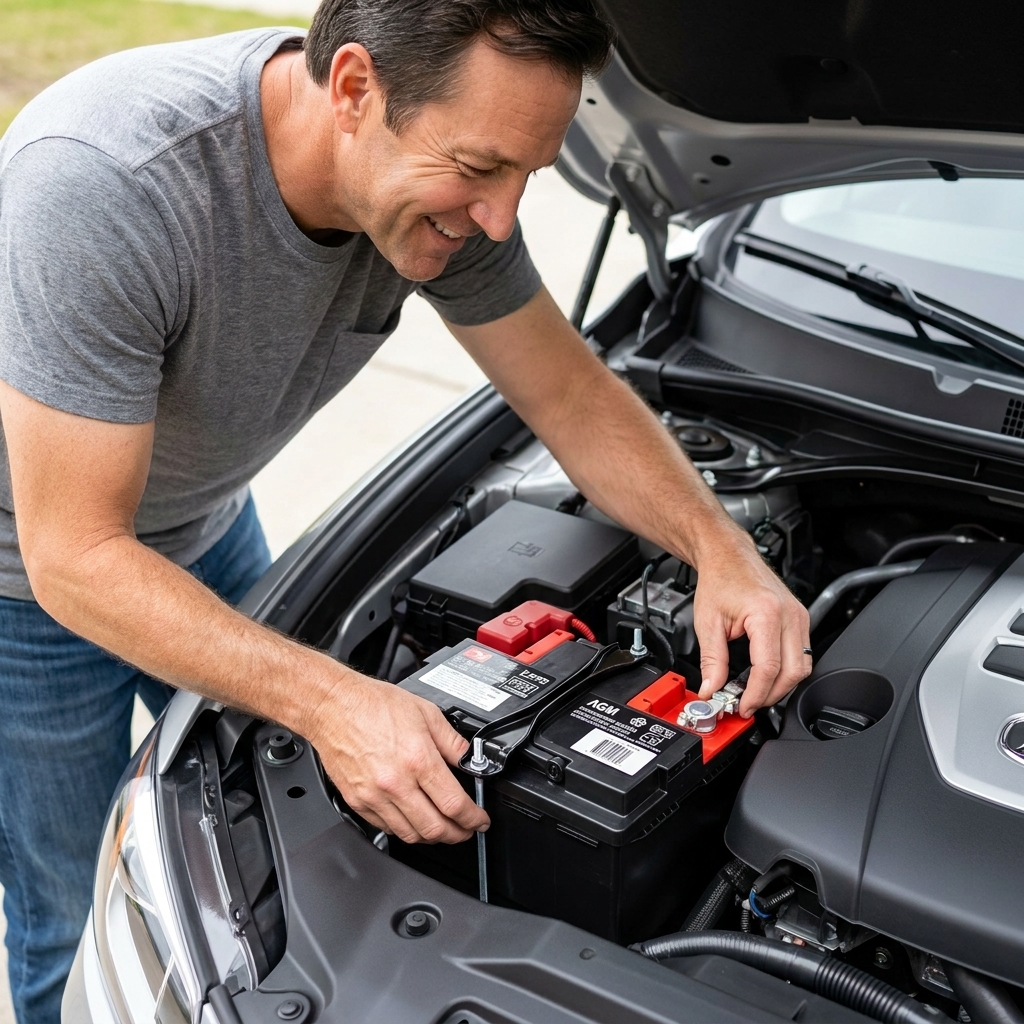
- AGM: Use a charger or maintainer with an AGM mode or AGM-compatible profile. AGM often wants slightly different voltage targets than flooded.
- Gel: Needs a gel-safe profile. Gel batteries are less tolerant of higher charge voltages, so do not assume AGM mode is “close enough.”
- Lithium (LiFePO4): Only use a lithium-compatible charger designed for that chemistry.
- Start-stop vehicles (AGM or EFB): Many start-stop cars use AGM or EFB batteries and are picky about charging. Use a charger that explicitly supports AGM or EFB if your vehicle calls for it.
If your battery is in the vehicle and you are unsure what it is, check the label on top. It will usually say Flooded, AGM, Gel, or EFB.
Look for these features
- Automatic float or maintenance mode
- Reverse polarity protection
- Spark protection
- Quick-connect pigtail (especially nice if you plan to use it often)
- Temperature compensation if the vehicle is stored somewhere that gets very hot or very cold
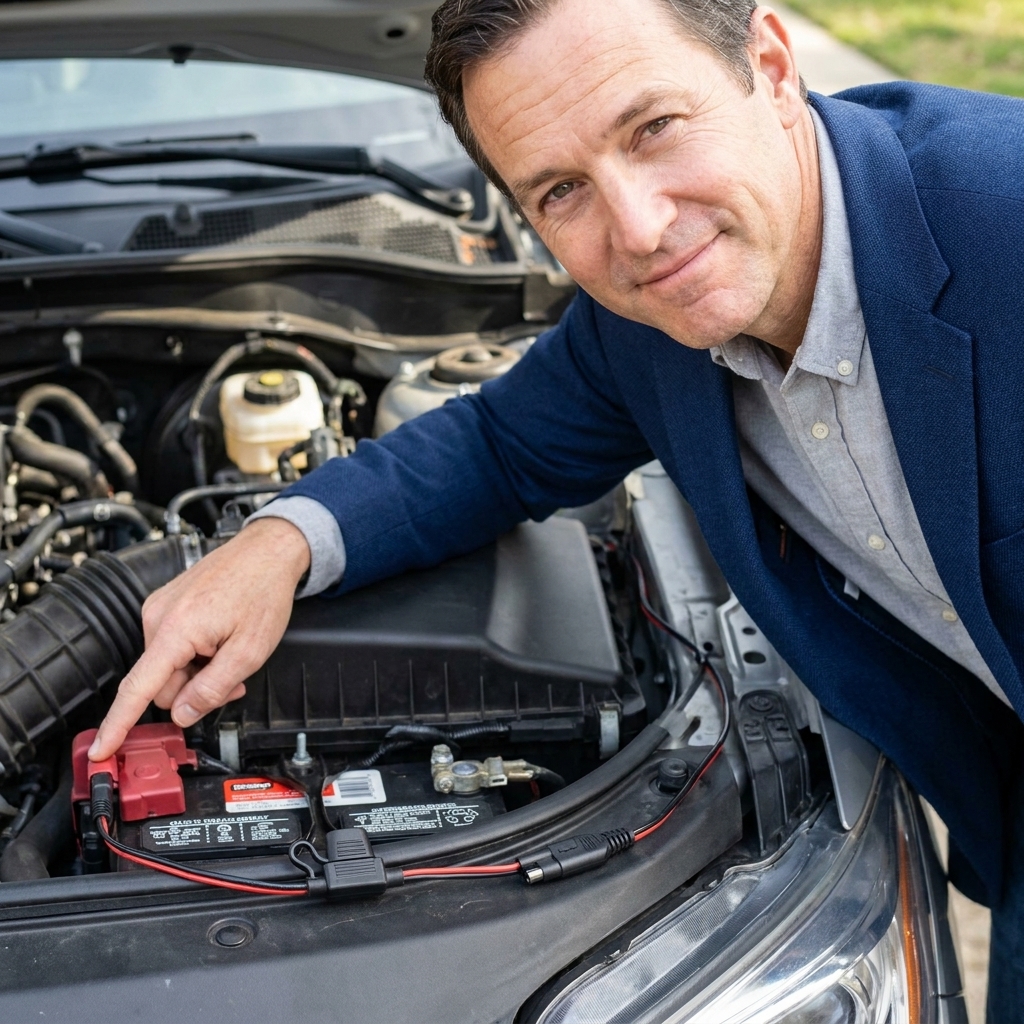
How to hook it up safely
Let me talk like I am leaning over the fender with you: the safe hookup is simple, but you want to do it the same way every time. That is how you avoid sparks, reversed polarity, and fried electronics.
Before you start
- Work in a well-ventilated area. Charging can produce hydrogen gas.
- Wear eye protection. Batteries can vent acid mist, and accidents happen fast.
- Make sure the charger is unplugged from the wall before you connect it to the battery.
- Confirm the battery terminals are clean and snug. A charger cannot fix a loose or crusty connection.
- If you are charging in a garage or outside, use a GFCI-protected outlet, an outdoor-rated extension cord if needed, and route the cord so water cannot run down into the charger. A simple drip loop goes a long way.
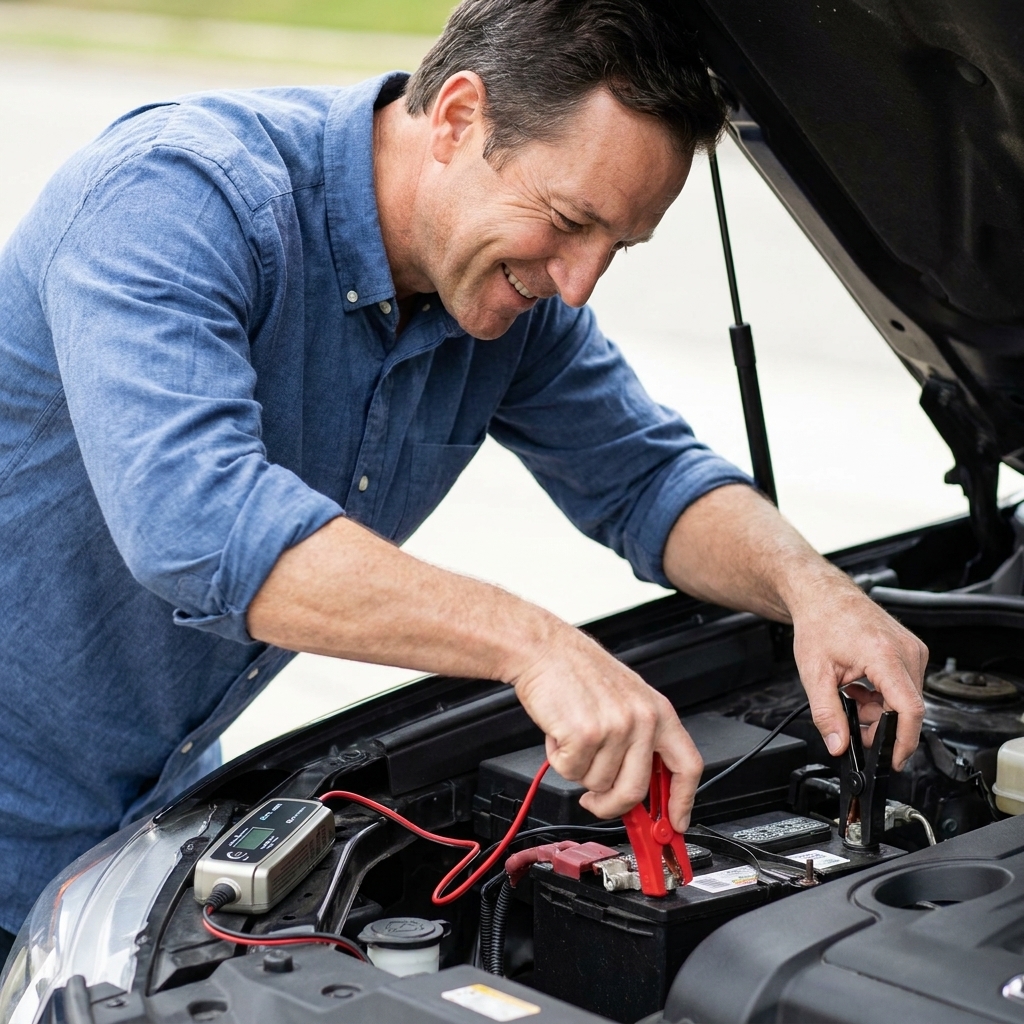
Standard connection steps (battery in the car)
- Unplugged charger: Keep it off AC power for now.
- Connect red to positive (+): Clamp or ring terminal to the battery’s positive post or the designated under-hood jump post if your vehicle has one.
- Connect black to a solid ground: Ideally to a clean metal engine or chassis ground away from the battery, not the negative post. This reduces spark risk near battery gases. On many modern vehicles, the best answer is the manufacturer-designated ground or jump point. If your car has a battery current sensor on the negative terminal, follow the vehicle and charger instructions so you do not accidentally bypass what the car is trying to measure.
- Route the leads safely: Keep wires away from fans, belts, and hot exhaust parts.
- Plug into the wall: Then turn the unit on if it has a switch.
- Verify the mode: Select Flooded, AGM, Gel, EFB, or Lithium as needed and confirm it shows charging or maintaining.
Disconnecting (reverse order)
- Unplug from the wall first.
- Remove the black clamp from ground.
- Remove the red clamp from positive.
Pro habit: If you install a quick-connect pigtail with ring terminals, do that once and you will never fight clamps again. Just keep the connector tucked somewhere you can reach without tools.
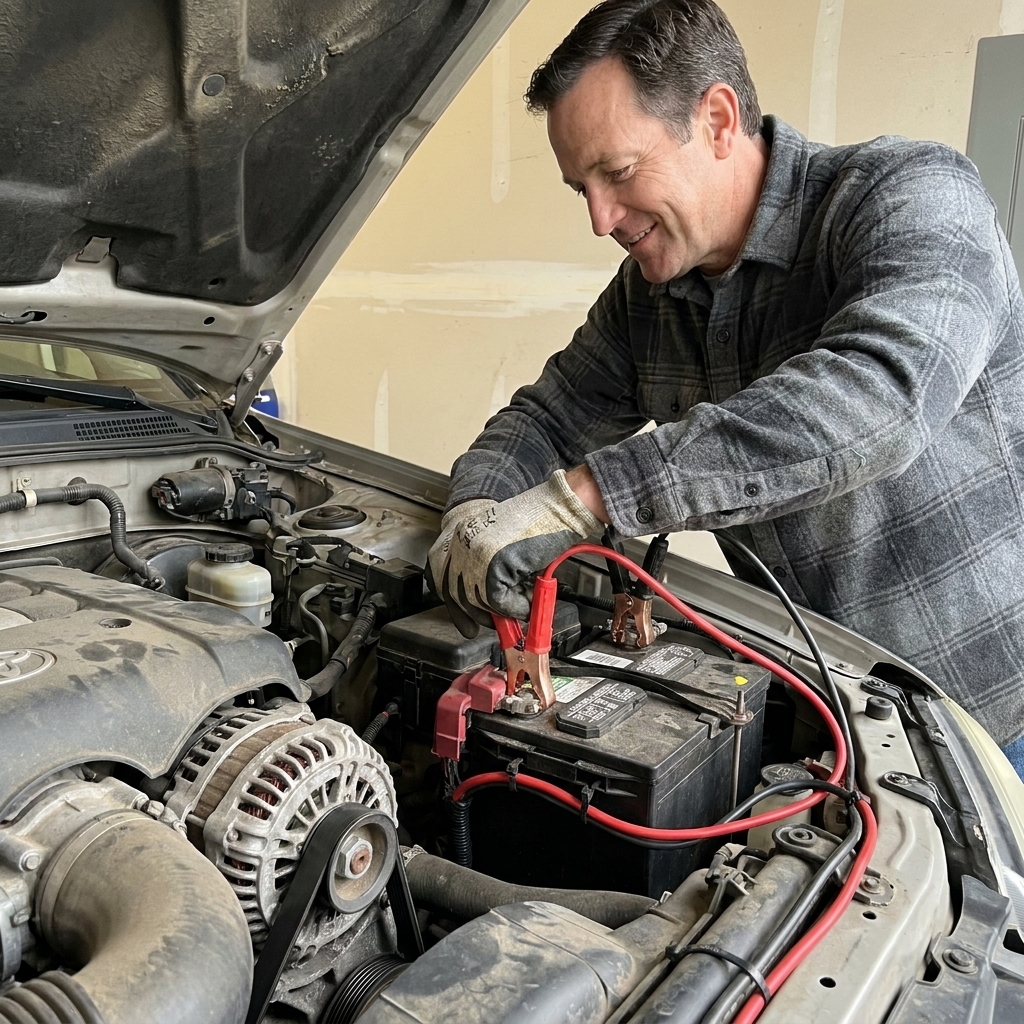
Long-term storage tips
Option A: Leave it in the car on a maintainer
This is what I do for most modern cars, especially if they have radios, security systems, or computers that do not love losing power.
- Use a smart maintainer.
- Check it occasionally to make sure it still shows “maintaining” and not an error code.
- Make sure the cord and connector are protected from moisture and from getting pinched by the hood.
Option B: Remove the battery and maintain it on a bench
This is handy if the vehicle is stored outside, if you do not have power near the car, or if you want the car totally disconnected.
- Store it somewhere cool and dry.
- Putting it on a shelf or a wood block is mostly about keeping it clean, dry, and less exposed to temperature swings, not because concrete magically drains batteries.
- Keep it away from flames and appliances with sparks.
- Maintain it the same way, just with easier access.
What about disconnecting the negative cable?
Disconnecting the negative terminal can reduce parasitic drain, but it does not stop self-discharge or sulfation. If the vehicle will sit for around 3 to 4 weeks or more, and sometimes sooner on modern cars with higher standby draw, I still prefer a maintainer.
Also, disconnecting power can create annoyances. Some vehicles need window auto-up relearns, clock resets, radio codes, or an idle relearn after reconnecting.
Common mistakes
Leaving a dumb trickle charger connected for months
If the charger does not have a true maintenance mode, you can overcharge the battery. That shows up later as weak cranking, low capacity, or a battery that “tests good” but dies under load.
Charging a frozen battery
If a battery is frozen, do not charge it. Let it warm to above freezing first. A frozen battery can crack the case or vent badly when charged.
Using the wrong battery setting
AGM, gel, EFB, and lithium are not “close enough.” Use the correct mode, or you can undercharge, overcharge, or damage the battery.
Assuming the charger fixes a bad battery
A maintainer is a great babysitter. It is not a miracle worker. If the battery is old, sulfated, or has a bad cell, the charger may never reach maintain mode, or it may claim “charged” but the battery still cannot hold a load.
Ignoring corrosion and loose terminals
Clean, tight terminals matter. A charger connected to crusty terminals is like trying to drink a milkshake through a cracked straw.
Missing a parasitic draw
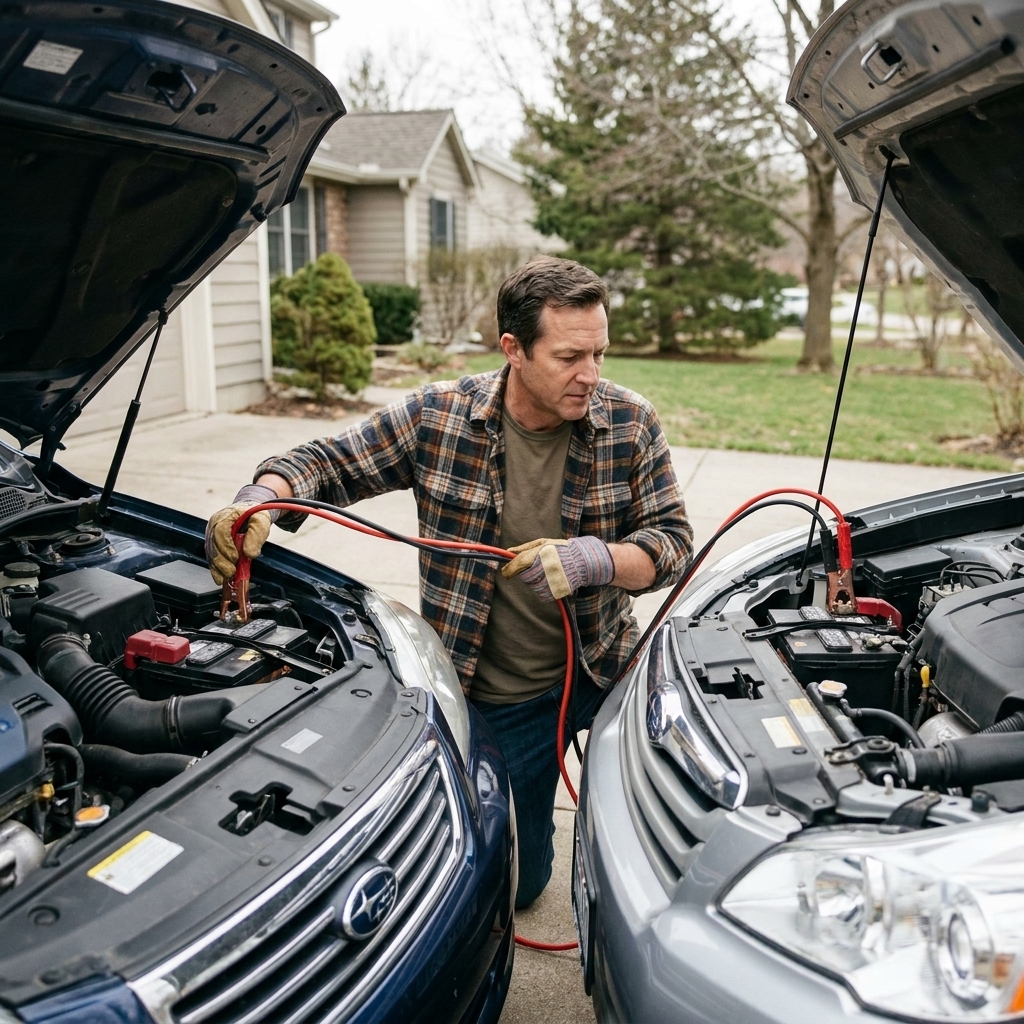
If your maintainer seems like it is always working hard, or the battery keeps going flat anyway, the car may have an excessive parasitic draw. That is when you break out a meter and start diagnosing, not just charging.
Quick battery health checks
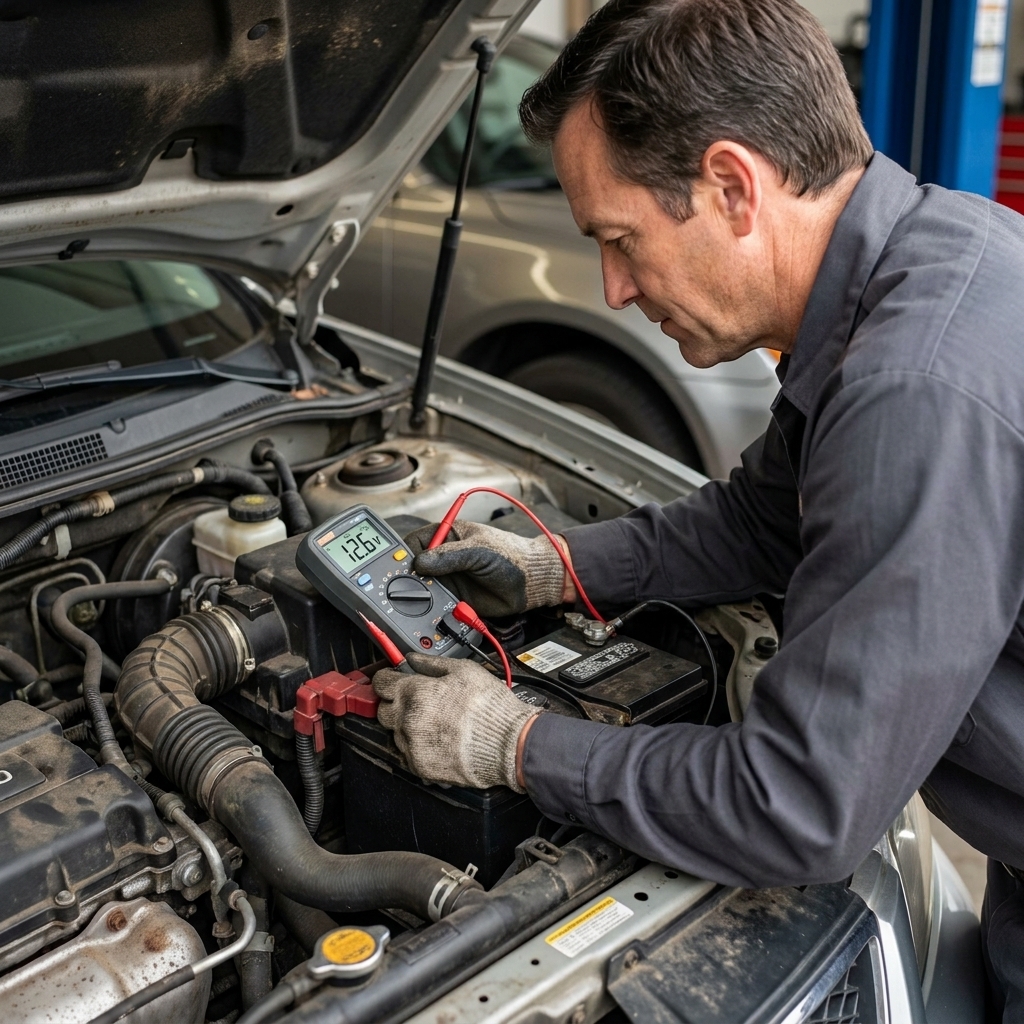
Use a multimeter first
With the car off for a few hours (overnight is even better), at roughly room temperature, measure voltage at the battery:
- 12.6 to 12.8V: Fully charged lead-acid battery (typical resting range).
- 12.4V: Partially charged.
- 12.2V or less: Low state of charge, sulfation risk increases.
- Below 12.0V: Deeply discharged. Charging might recover it, but do not be surprised if it never comes back fully.
After the maintainer has been connected, it is normal to see voltage float higher depending on the stage, often in the low to mid 13s or higher during active charging.
A load test tells the truth
If you keep having dead-battery drama, get a real load test done or use a home tester. Voltage alone is not a full health report. A battery can show 12.6V and still fall on its face under starter load.
Which one should you buy?
Here is the simple buying advice I give friends and family:
- If you want to store a vehicle, buy a smart battery maintainer from a reputable brand.
- If you want to slow-charge a low battery and you can keep an eye on it, a basic trickle charger can work, but a smart charger is still a better purchase.
- If you own anything seasonal like a motorcycle, classic car, or weekend truck, a maintainer will pay for itself the first time it saves you from buying a battery early.
FAQ
Can I leave a battery maintainer on all the time?
With a quality smart maintainer designed for long-term use, yes. I still recommend checking it periodically, especially if the vehicle is stored somewhere hot, cold, or damp.
Should I disconnect the battery before using a maintainer?
Usually no. A maintainer is designed to be used with the battery in the vehicle. If you are working on the electrical system or the car has unusual aftermarket wiring, disconnecting may be smart for other reasons, but it is not required for normal maintenance charging.
Where do I connect the negative clamp?
Use the manufacturer-designated ground or jump point if your vehicle has one. Otherwise, use a clean, unpainted metal bracket or engine lifting point. If you truly cannot find a solid ground, connecting to the negative terminal is acceptable for many chargers. Follow your charger manufacturer’s instructions and keep sparks away from the battery top.
Will a maintainer charge a completely dead battery?
Sometimes. Many smart maintainers need to “see” a minimum voltage to start charging. If the battery is extremely low, you may need a proper charger with a recovery mode, or you may be looking at a battery that is too far gone.
Is it safe to use one in a garage?
Generally yes if the area is ventilated and you keep the charger away from fuel vapors and ignition sources. Do not drape cords over hot parts, and make sure the charger itself has airflow around it.
My closing advice
If you remember nothing else: a trickle charger is for charging, a maintainer is for storing. When in doubt, spend the extra few bucks on a smart maintainer with the right battery mode. It is cheaper than a tow, cheaper than a new battery, and it saves you from that sinking feeling when the key turns and nothing happens.
Set it up once, route the leads neatly, and you will be the kind of person whose car starts after a long sit. That is a quiet little superpower in the DIY world.