If you have a summer and winter set, the swap is the easy part. The months in between are where tires get quietly ruined. I have seen perfectly good rubber turn into a cracked, hard, vibration factory because it sat next to a furnace, under a shop light, or on bare concrete with brake dust baked into it.
The goal is simple: store your spare set clean, dry, labeled, and protected from heat, sunlight, ozone, and chemicals. Do that and your seasonal set will last longer, ride smoother, and save you money.
Before you store them: clean, dry, and inspect
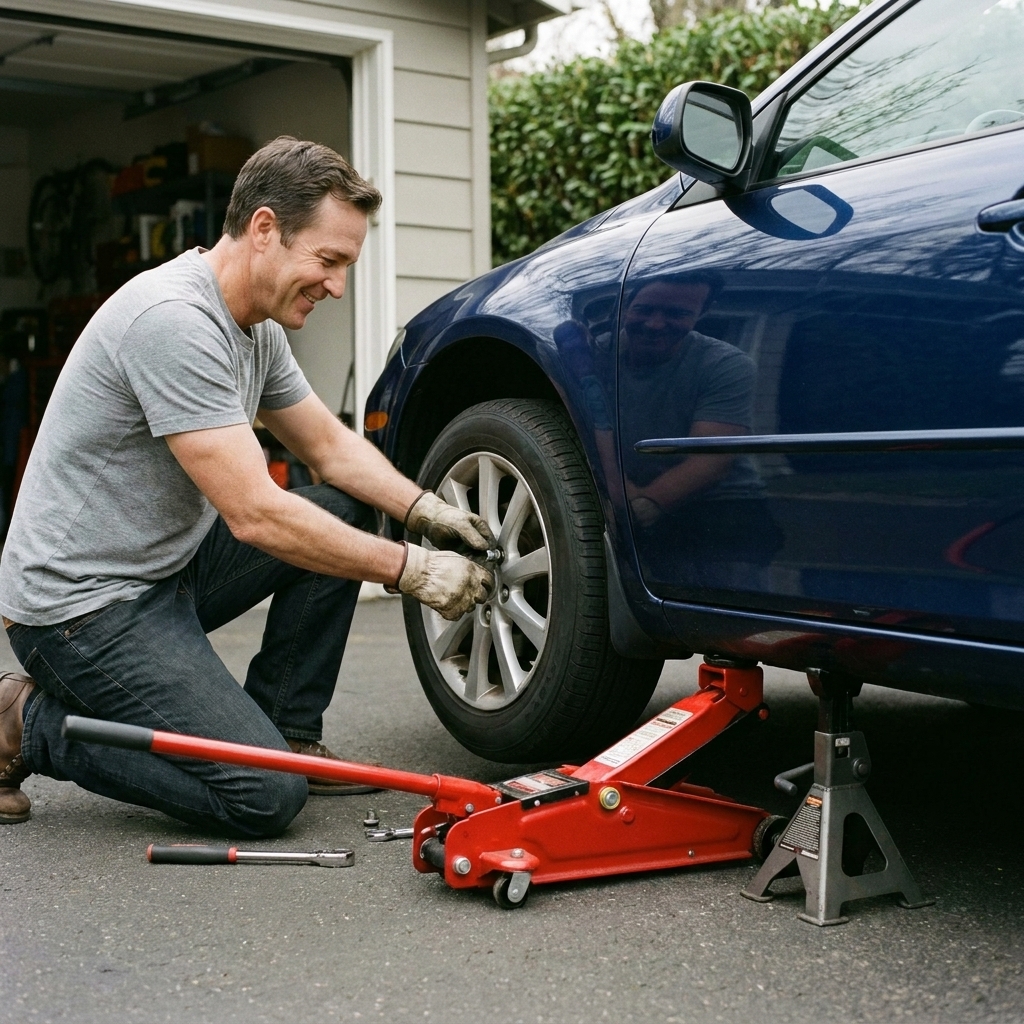
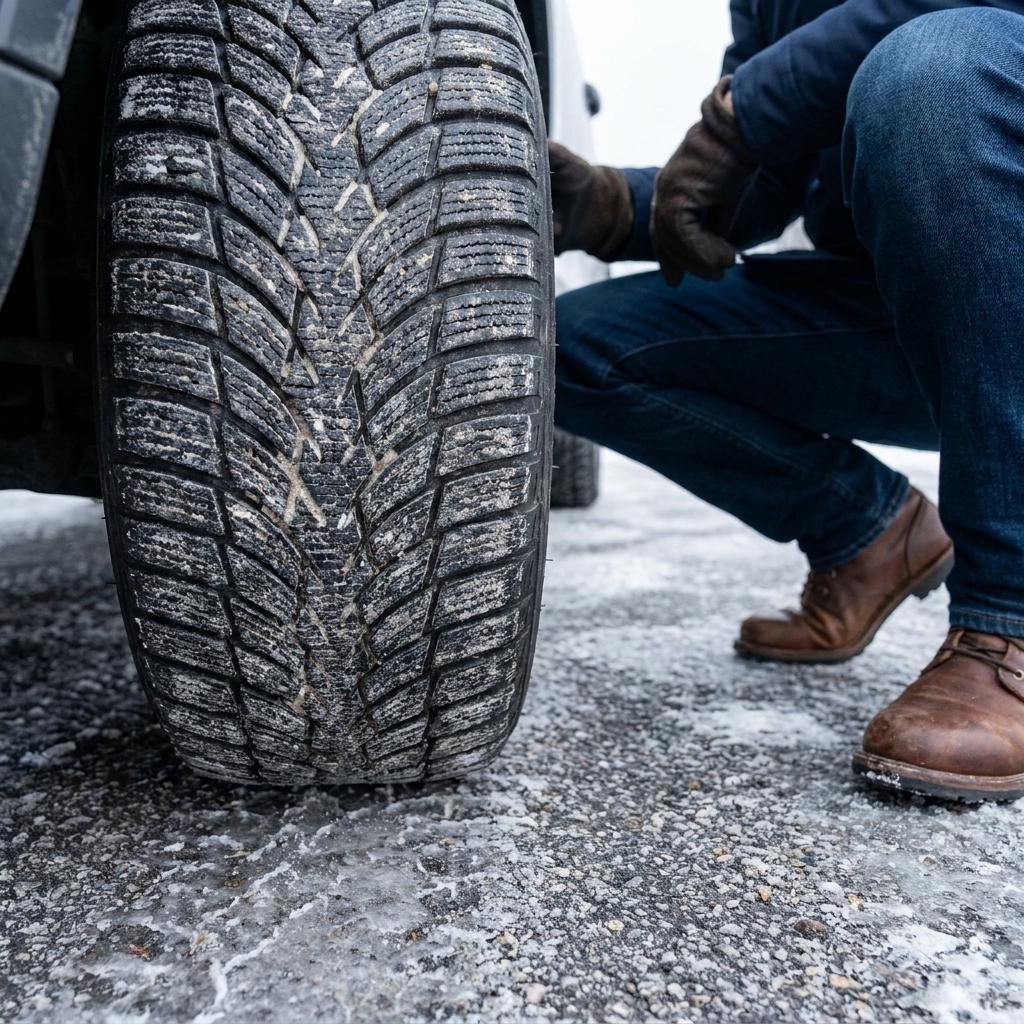
Storage starts the minute the wheels come off the car. Dirt and brake dust hold moisture. Road salt is even worse. Both can corrode wheels and attack rubber over time.
1) Wash the wheels and tires
- Rinse first to knock off grit that can scratch painted wheels.
- Use car wash soap and a soft brush or sponge. Avoid harsh degreasers unless you truly need them.
- Clean the inside barrel of the wheel too. Brake dust loves to hide there.
- Skip tire shine before storage. Many dressings are petroleum-based and can accelerate rubber aging. If you love dressing, use a water-based product and keep it light, but my mechanic vote is to store them clean and bare.
2) Dry them completely
Water trapped between the tire bead and wheel or in lug holes is a recipe for corrosion. Towel-dry everything, then let the set air-dry for a while. If you bag them while damp, you can create a little humidity terrarium.
3) Inspect now, not next season
Take two minutes and save yourself a surprise later:
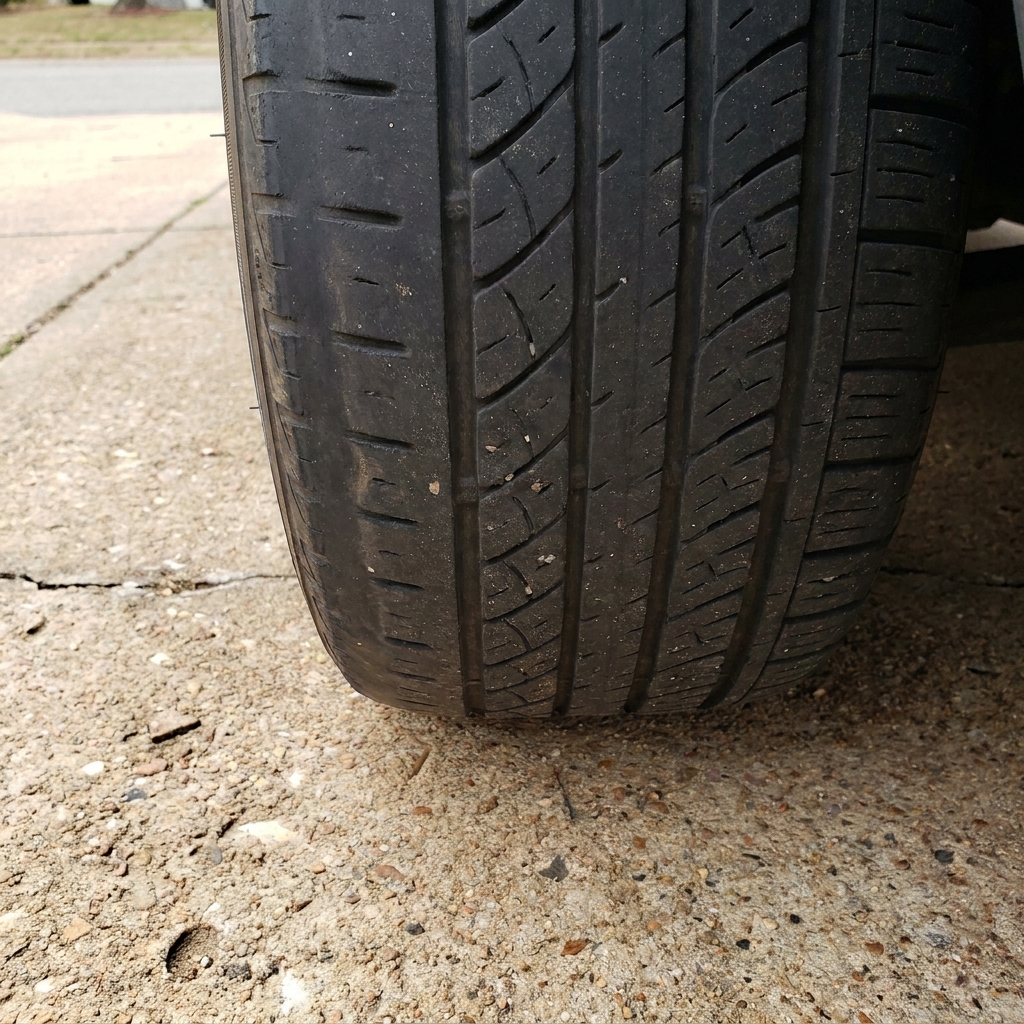
- Tread depth: if a tire is near the wear bars, make a plan now.
- Cracks and checking on the sidewall: small surface lines can be normal with age, but deep cracks mean the tire is aging out.
- Bulges or bubbles: do not store and reuse a tire like that.
- Nails or punctures: mark the spot with painter’s tape so you can get it repaired or replaced before the season starts.
Label like you mean it
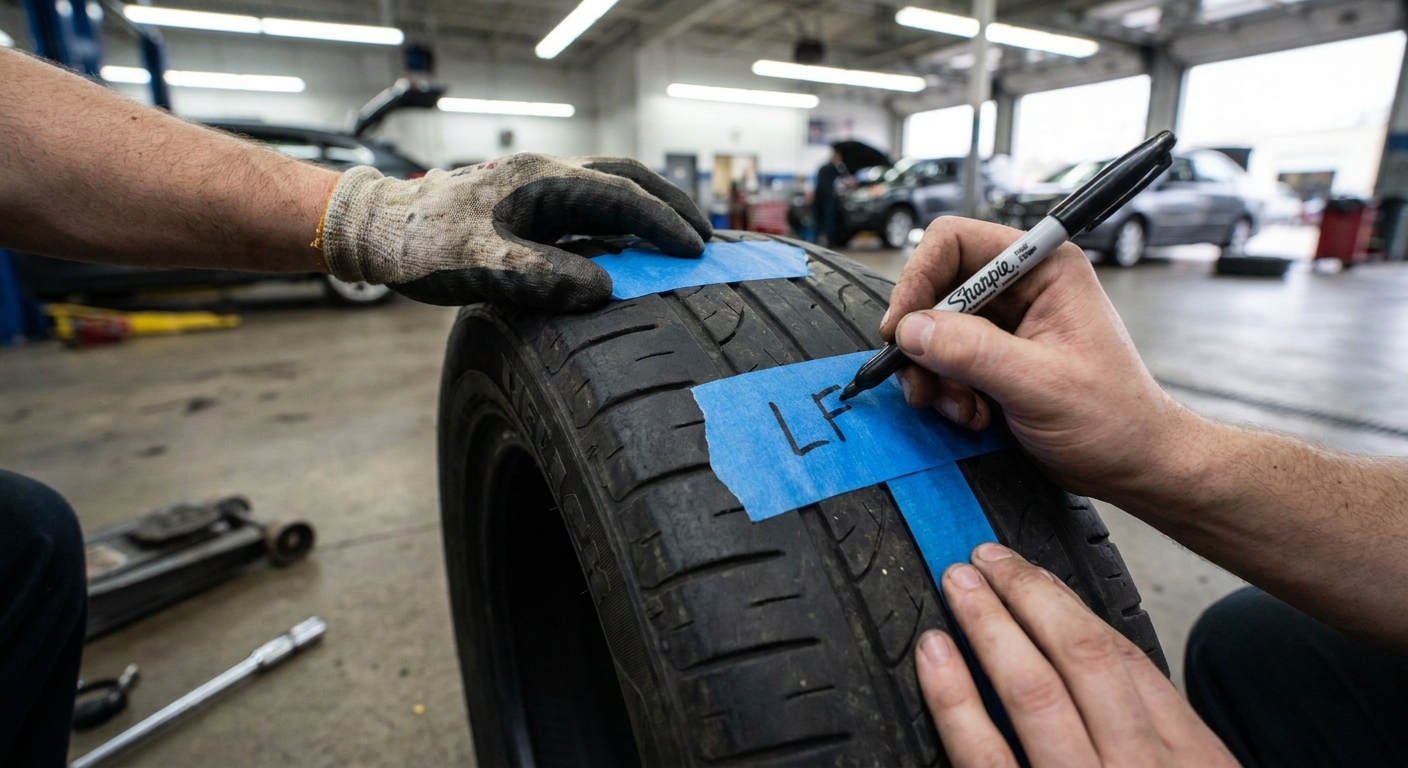
I am methodical to a fault, but labeling your seasonal set is not overkill. It keeps your set organized, helps you track wear patterns, and prevents mix-ups if you have multiple vehicles in the household.
What to write
- Vehicle: “Civic” or your plate number.
- Position removed from: LF, RF, LR, RR.
- Date and mileage (optional but helpful).
Use masking tape or painter’s tape on the tread area, or write on the bag. Avoid writing directly on the sidewall with harsh markers or paint pens.
Mounted vs unmounted tires
This is the part people get wrong. Mounted wheel and tire assemblies are structurally supported by the wheel. Unmounted tires are not. That changes how you stack, hang, or stand them.
If your tires are mounted on wheels
Mounted assemblies can be stored:
- Stacked horizontally (most common): lay them flat, one on top of another.
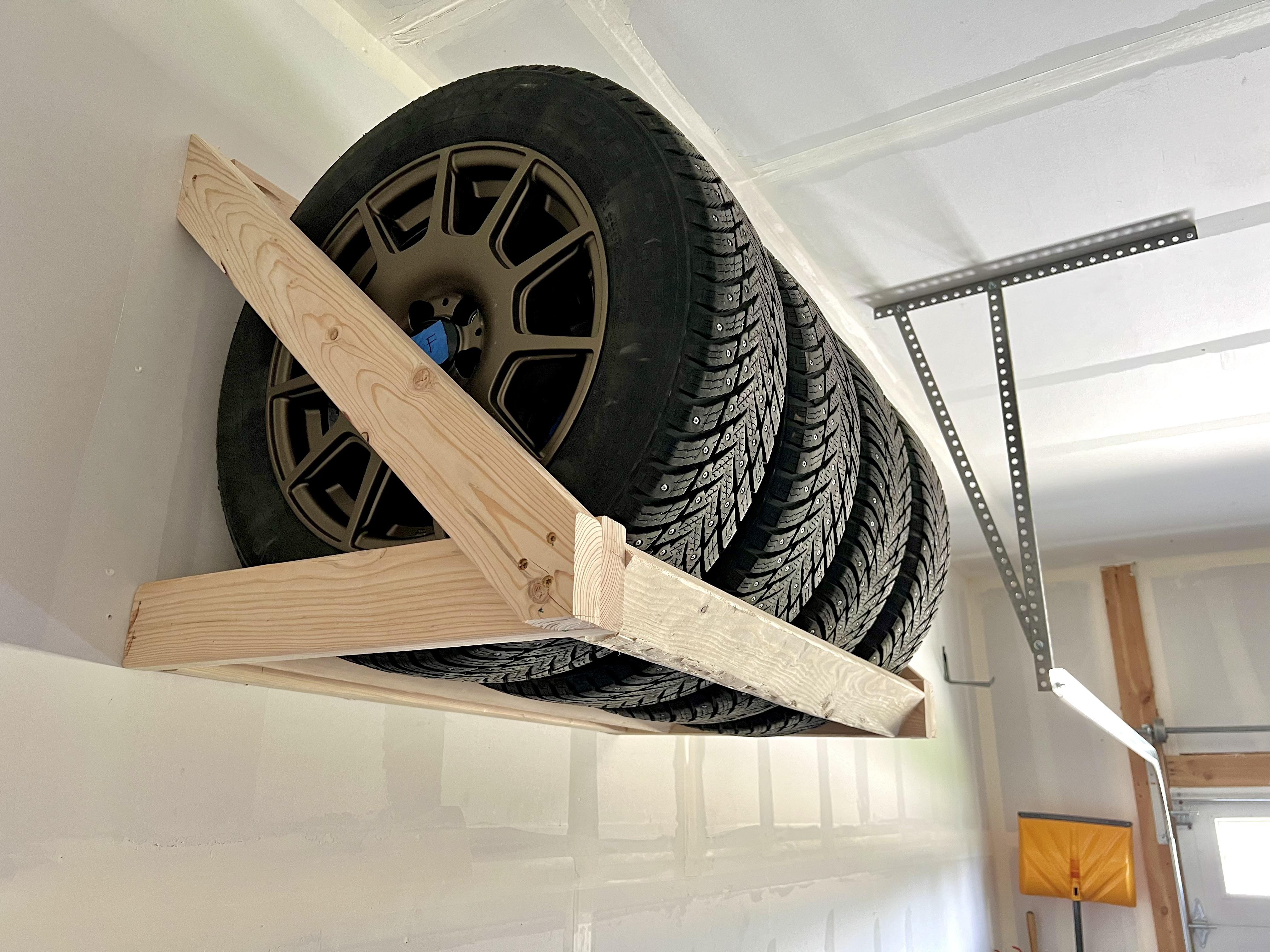
- On a wall rack: support them by the wheel, not by pinching the tire sidewall.
- Standing upright: acceptable, but if you do this for months, rotate their position occasionally so the same spot is not always carrying weight.
My preference for most home garages is to stack mounted assemblies, bagged, in a cool corner. If you are stacking, do not go crazy with height. Four is usually fine. Eight is asking for trouble unless you have sturdy shelving and a stable base.
If your tires are unmounted (rubber only)
Unmounted tires should generally be stored upright, side-by-side, like they are on a tire display rack. The idea is to keep them from deforming under their own weight.
- Do not hang unmounted tires by a hook through the center. That can distort the beads.
- Avoid stacking unmounted tires for long periods. It can create flat spots and misshapen sidewalls.
- If upright storage is your only option, rotate them a quarter turn every few weeks if you remember. If you do not remember, do not stress. The bigger win is keeping them cool and out of the sun.
When in doubt, check your tire maker’s storage guidance. Some manufacturers publish specific recommendations for long-term storage, and they will always trump garage folklore.
Bag them and block the enemies
Tires age from oxygen and ozone exposure, plus heat and UV. You cannot stop time, but you can slow it down.
Use tire bags or heavy plastic
- Best: purpose-made tire storage bags.
- Also works: thick contractor bags.
Slip the tire into the bag and push out as much air as practical before sealing. You do not need a vacuum sealer. Just do not trap a bunch of air if you can help it.
Important: bag only after the tires are truly dry.
Keep them away from ozone sources
Ozone cracks rubber. Common ozone producers in a home setting include:
- Electric motors that cycle frequently, like an air compressor
- Furnaces, water heaters, and some HVAC equipment
- Welders or battery chargers that spark
You do not need a lab-grade clean room. Just do not store your tires pressed up against the compressor or next to a furnace vent.
Avoid chemicals and solvents
Keep tires away from gasoline cans, paint thinner, brake cleaner, oils, and pesticides. Vapors matter. Rubber absorbs what is floating around it.
Pick the right location
If you remember nothing else, remember this: heat and sunlight are tire killers.
Good storage spots
- A climate-controlled basement corner (dry and not near appliances that generate heat)
- An interior closet or storage room
- A garage spot that stays shaded and relatively cool
Spots to avoid
- Outdoors under a tarp (temperature swings and moisture will get you)
- Next to windows or anywhere direct sun hits the tire
- Near furnaces, boilers, water heaters, wood stoves, or radiators
- Near shop welders, compressors, or other ozone-producing equipment
- Attics that bake all summer
Concrete floor question
Modern concrete is usually not the tire-melter people make it out to be, but cold concrete can contribute to moisture and temperature swings. I still like to put something under the stack:
- Cardboard
- A scrap piece of carpet
- A wooden pallet
- A rubber mat
The bigger benefit is stability and keeping the bags from snagging.
Tire pressure and TPMS
Mounted sets: note the pressure
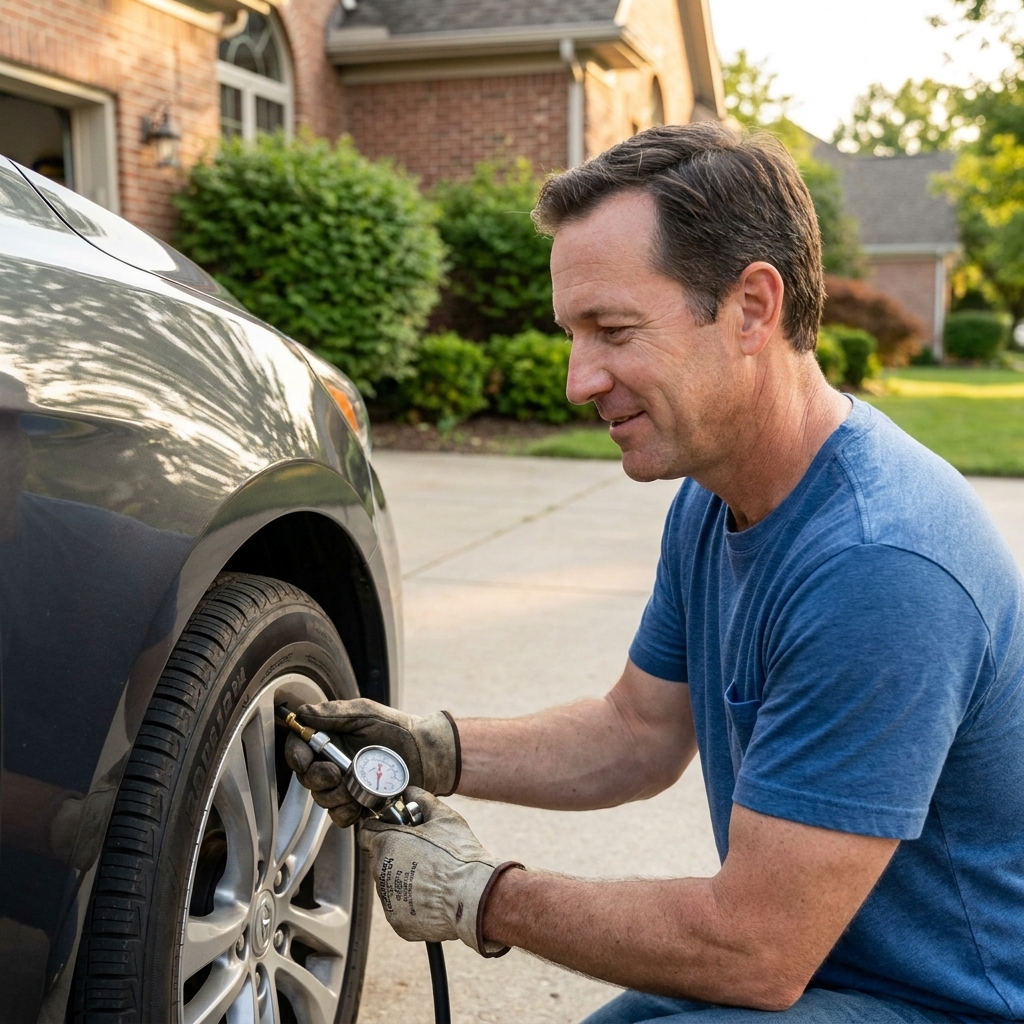
If the tires are mounted on wheels, store them with normal operating pressure or close to it. Tires naturally lose a little pressure over time. When the season comes back around, check pressure again before you drive.
TPMS sensors
If your seasonal wheels have TPMS sensors, storage does not hurt them. What matters is not smashing them during handling and not exposing the wheels to corrosive moisture. If your vehicle needs a relearn procedure when you swap sets, that is a separate issue and varies by car.
Quick checklist
- Wash wheels and tires with car soap
- Dry completely, including wheel barrels and lug holes
- Inspect for cracks, bulges, punctures, and uneven wear
- Label each tire with vehicle and position
- Bag each tire or wheel assembly and push out excess air
- Store in a cool, dry, dark place away from sun, heat, ozone, and chemicals
- Mounted: stack or rack by the wheel; unmounted: store upright
FAQ
Can I store tires in a shed?
You can, but it is not ideal. Sheds swing hot and cold and often get humid. If a shed is your only option, keep them off the floor, bag them, and choose the coolest, darkest corner away from windows.
Is it OK to store tires in my apartment or basement?
Yes, as long as the area is dry and not near a heat source. Basements are often great for tire storage if they are not damp.
Should I cover wheels to prevent corrosion?
Yes. A bag helps keep humidity and salty residue off the wheel finish. The key is storing them clean and dry first.
Do I need preservatives on the rubber?
No. Clean, dry, bagged, and stored away from heat and UV is the winning combo. If your tire manufacturer recommends a specific approach for long-term storage, follow that guidance.