I grew up thinking winter tires were only for folks living in cabin-in-the-woods territory. Then I spent a decade in independent shops watching the same story repeat: the first cold snap hits, roads get slick, and suddenly everyone is asking why their “good” all-seasons feel like hockey pucks.
Here’s the deal. Tires are the only part of your car that actually touch the road. If your rubber is wrong for the temperature, it does not matter how good your AWD system is, how new your brakes are, or how confident you feel. You are riding on four contact patches about the size of your palm.
Let’s break down what really changes between all-season and winter tires, the simple temperature rule I use, and how to decide if a dedicated cold-weather set is worth your money.
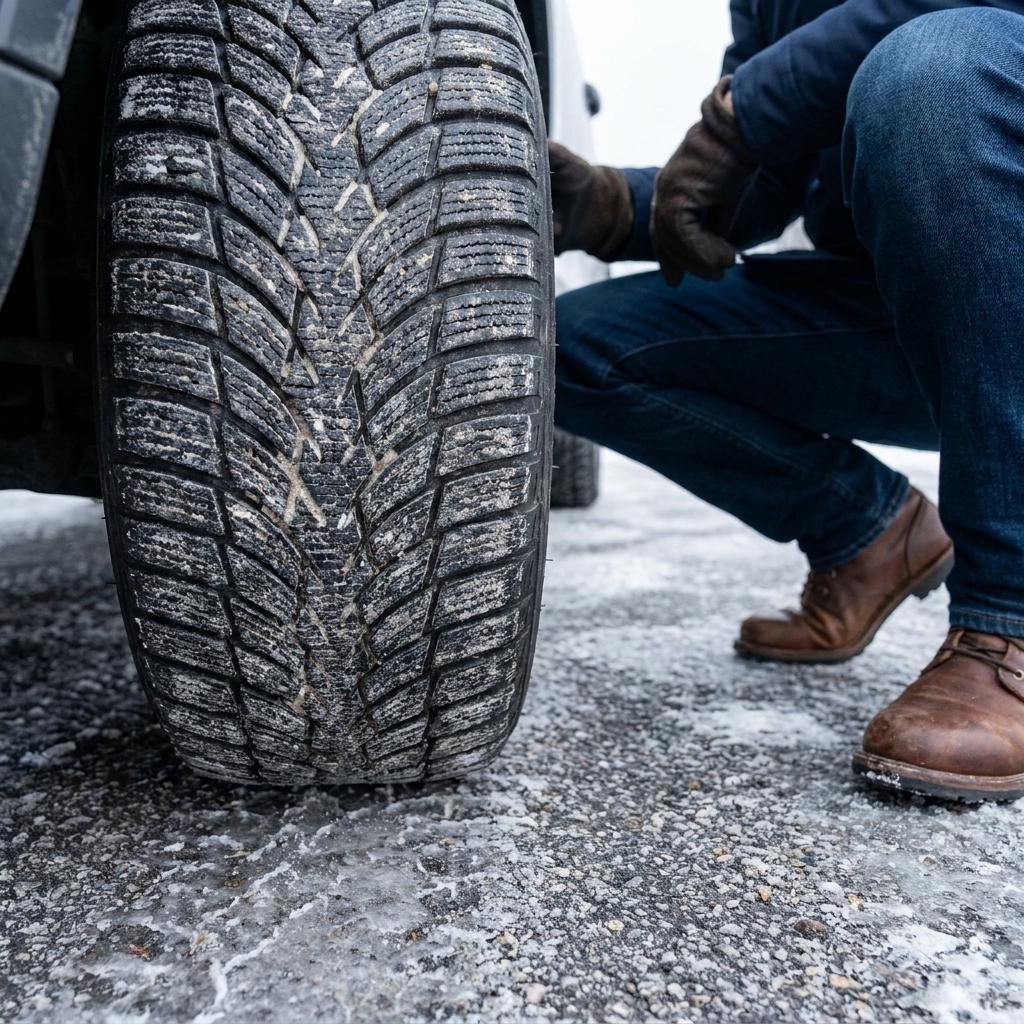
The one rule that matters: temperature
If you remember one thing, make it this: winter tires are about temperature first, snow second.
A common shop guideline is the 45°F rule (about 7°C). When daily temps consistently drop below that range, many all-season tire compounds start to stiffen up. Stiff rubber cannot conform to the road’s tiny imperfections, which means less grip for:
- Stopping distance
- Turning traction
- Acceleration traction
- Stability on wet pavement
Winter tires use a compound designed to stay flexible in the cold, so the tread can keep biting the road instead of skimming across it.
All-season tires: what they do well, and where they fall short
All-season tires are compromise tires, and I say that with respect. For a lot of drivers, compromise is exactly what you want.
What all-seasons are good at
- Convenience: one set year-round, no seasonal swaps.
- Decent dry and wet grip: especially in mild climates.
- Longer tread life: many carry higher treadwear ratings than winters.
- Lower upfront cost: you buy one set, not two.
Where all-seasons struggle
Two main issues show up in the cold:
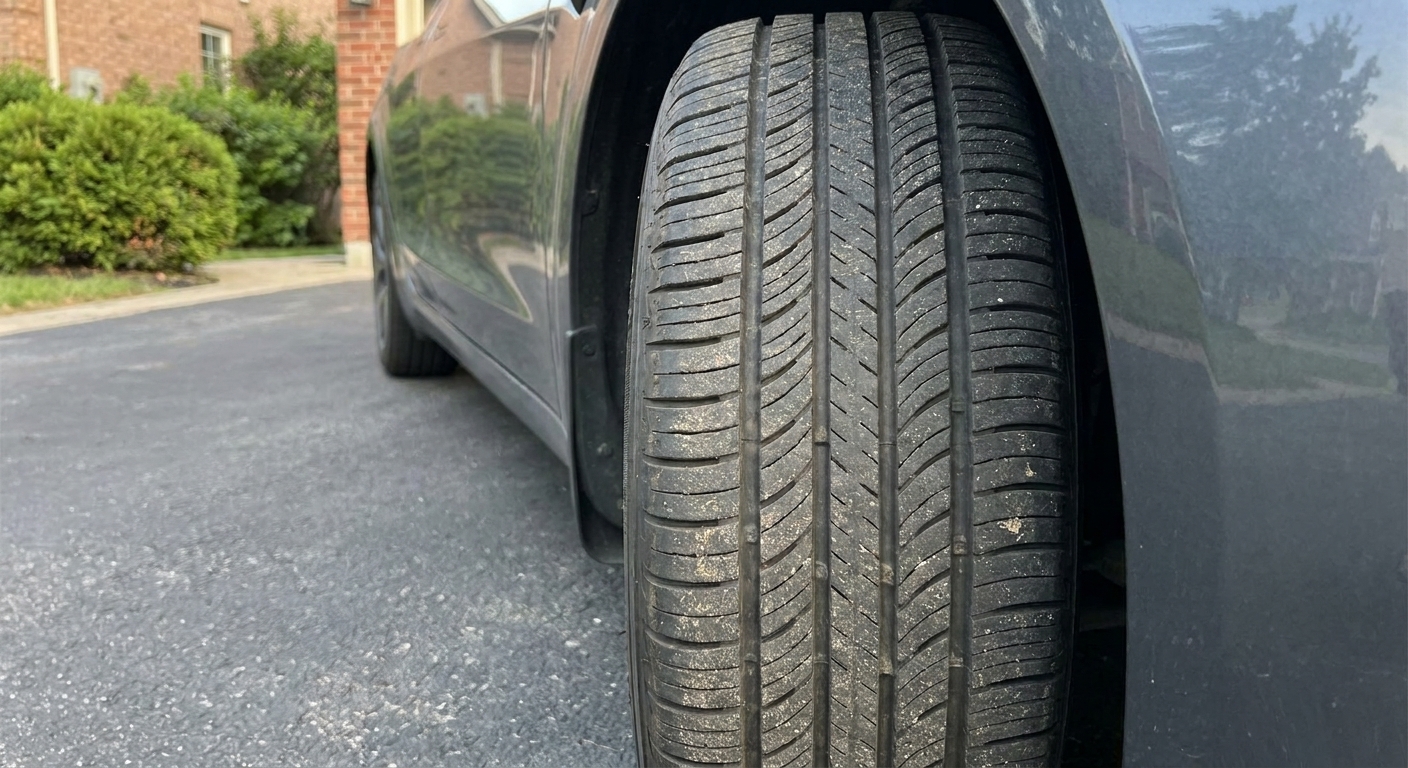
- Compound stiffness: as temperatures drop, typical all-season rubber gets harder, reducing grip.
- Tread design limits: all-seasons usually have fewer sipes (those tiny slits) and less aggressive void area than a winter tire, so they do not clear slush or pack snow as effectively.
Think of an all-season like a hiking shoe. It works in a lot of situations, but it is not the right tool for ice climbing.
Winter tires: why they feel like a cheat code in the cold
Winter tires are purpose-built for cold traction. They are not magic. They cannot break physics. But compared to a typical all-season below 45°F, they often feel like someone quietly upgraded your brakes and steering at the same time.
1) The rubber compound stays flexible
The key difference is the tread compound. Winter tires are engineered to remain pliable at low temperatures. That flexibility helps the tread blocks conform to the road, increasing friction and mechanical “bite.”
2) More siping for more edges
Those little slits in the tread are not decoration. Sipes create extra biting edges that help grip on snow and especially on cold, wet pavement. They also help manage the thin film of water that forms on ice.
3) Tread pattern designed to clear slush and snow
Winter tires usually have deeper voids and tread geometry that can:
- Pack and release snow (snow-on-snow traction is real)
- Evacuate slush to reduce “floating”
- Resist hydroplaning in cold rain and slop
4) Studless vs. studded (quick note)
Most drivers do great on studless winter tires. Studded tires can help on glare ice, but they are noisy, can wear pavement, and may be restricted where you live. If your winter is more ice rink than snow globe, check local rules before buying studs.
What about “all-weather” tires with the 3PMSF symbol?
This is where things get confusing, so let’s simplify it.
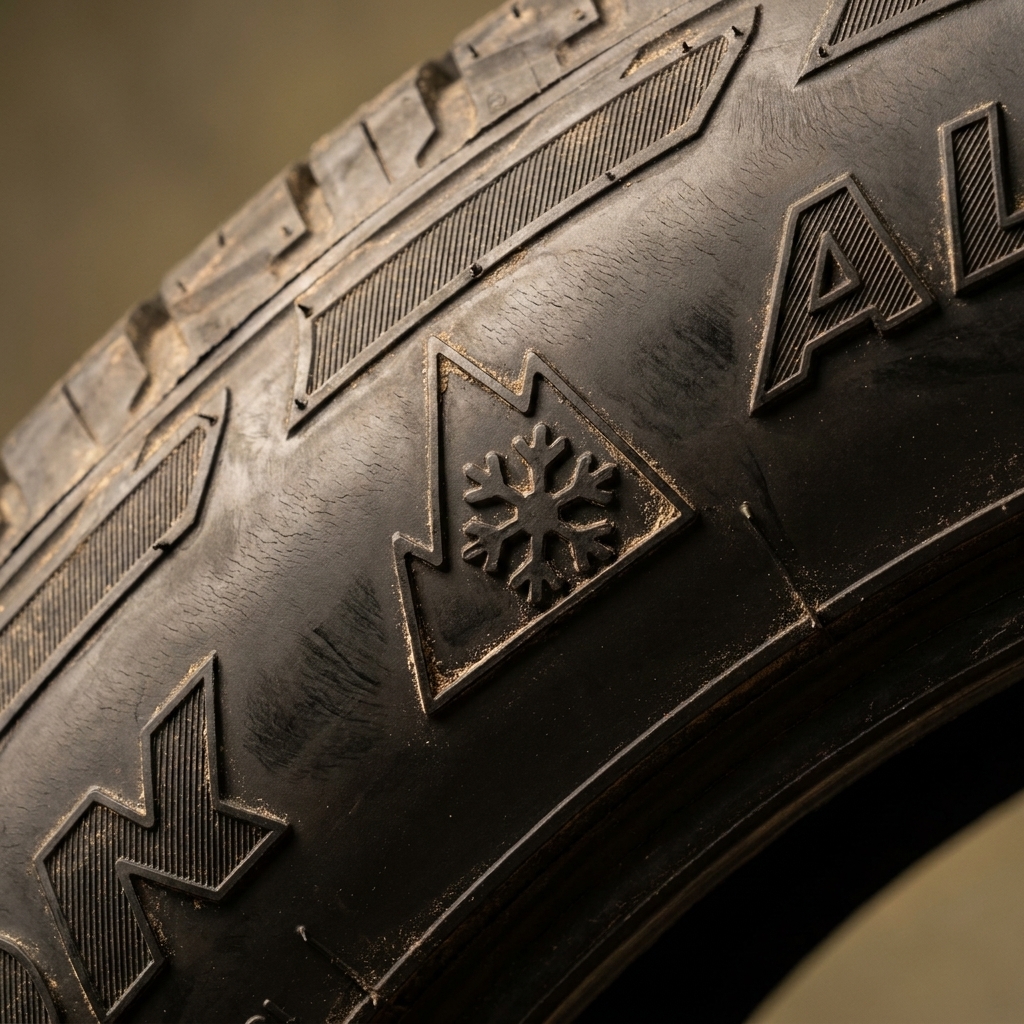
All-season is a marketing category. All-weather is a newer category of tire that aims to bridge the gap. Many all-weather tires carry the Three-Peak Mountain Snowflake (3PMSF) symbol, meaning they meet a minimum industry test for severe snow service.
In plain language:
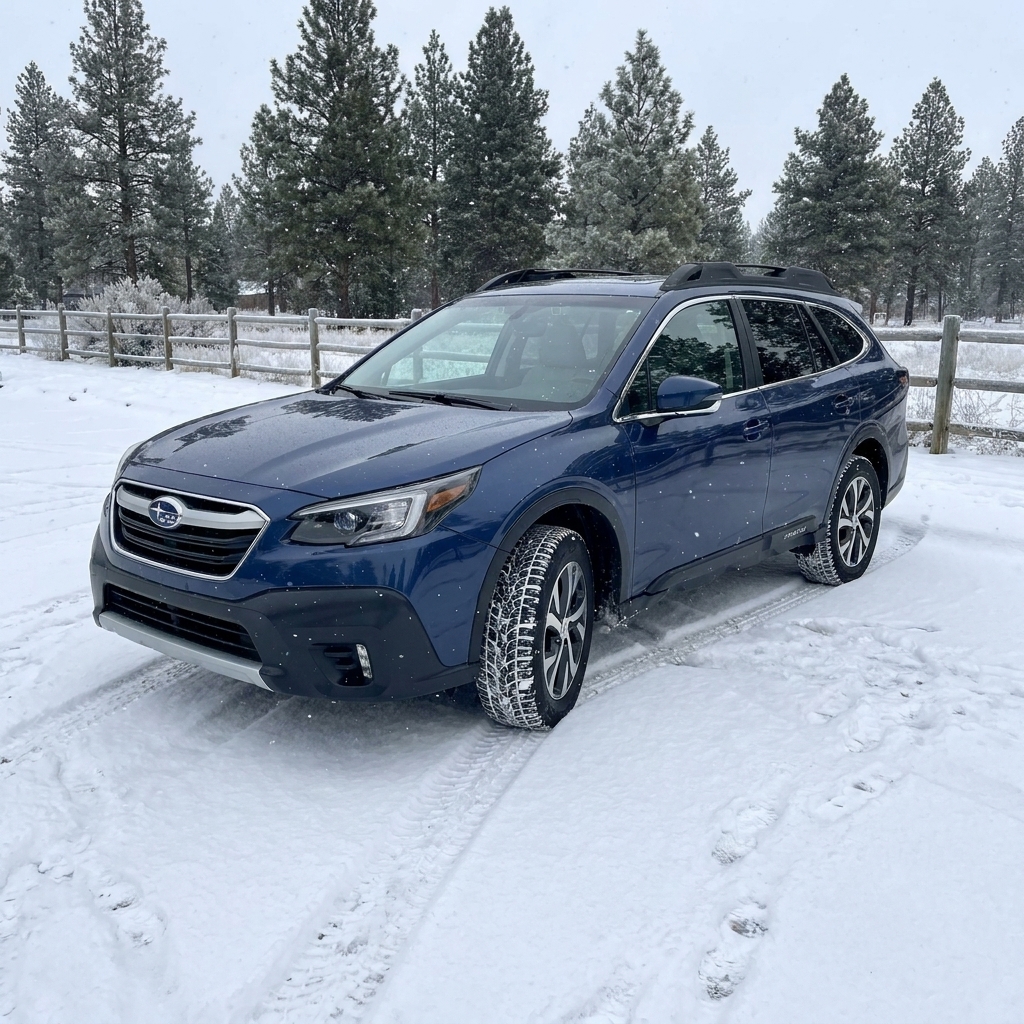
- Good all-weather tires can be a legit solution if you see winter conditions but do not want to own two sets.
- Dedicated winter tires are still the best tool for sustained cold, ice, and frequent snow.
If you live where winters are real but not relentless, all-weather tires can be the “one set” option that actually makes sense.
Do you really need winter tires? A simple decision guide
I tell friends and readers to answer these questions honestly. No tough-guy driving required.
You probably want winter tires if:
- You see weeks of temps below 45°F, even if it does not snow daily.
- Your area gets regular snow, slush, or freezing rain.
- You drive early mornings or late nights when roads are colder and icier.
- You live on hills or deal with untreated side streets.
- You cannot easily stay home during storms (healthcare, trades, shift work).
All-seasons might be enough if:
- Winters are short and mild, with only occasional cold snaps.
- Snowfall is rare and roads are quickly cleared.
- You can delay trips when conditions are bad.
- Your current all-seasons are high quality and have strong wet traction.
AWD does not replace winter tires
This one needs to be said out loud: AWD helps you go, not stop. It can help you get moving in snow. It does not give you extra braking traction on ice. Winter tires do.
Cost: is a second set actually “worth it”?
Winter tires are not cheap, and I am not going to pretend they are. But the math is not as lopsided as it looks.
Two sets can mean both sets last longer
If you run winter tires for the cold months and summer or all-seasons for the warm months, you are splitting mileage between sets. In many cases, the total tire life you buy is similar, you are just spreading it across time.
The hidden savings: wheels, swaps, and avoiding damage
- Buying winter wheels (steel or basic alloys) costs more upfront, but it makes seasonal swaps cheaper and faster. It also keeps your nice wheels away from salt.
- Mounting and balancing twice a year adds up if your winter tires are not on their own wheels.
- One avoided crash can pay for the whole setup. Same goes for avoiding curb hits and suspension damage when you slide.
If budget is tight, prioritize tires over almost any other “winter upgrade.” I would rather see a front-wheel-drive sedan on good winter tires than a lifted AWD crossover on worn all-seasons.
DIY basics: how to choose and run a winter setup
Pick the right size and load rating
Start with your door jamb sticker and owner’s manual. Stay with the correct load index and speed rating recommendations unless you truly understand what you’re changing.
Some folks “downsize” to a smaller wheel with a taller sidewall for winter. That can work great, but you need correct brake clearance and overall diameter. When in doubt, stick to factory sizes.
Do not buy winter tires based on tread depth alone
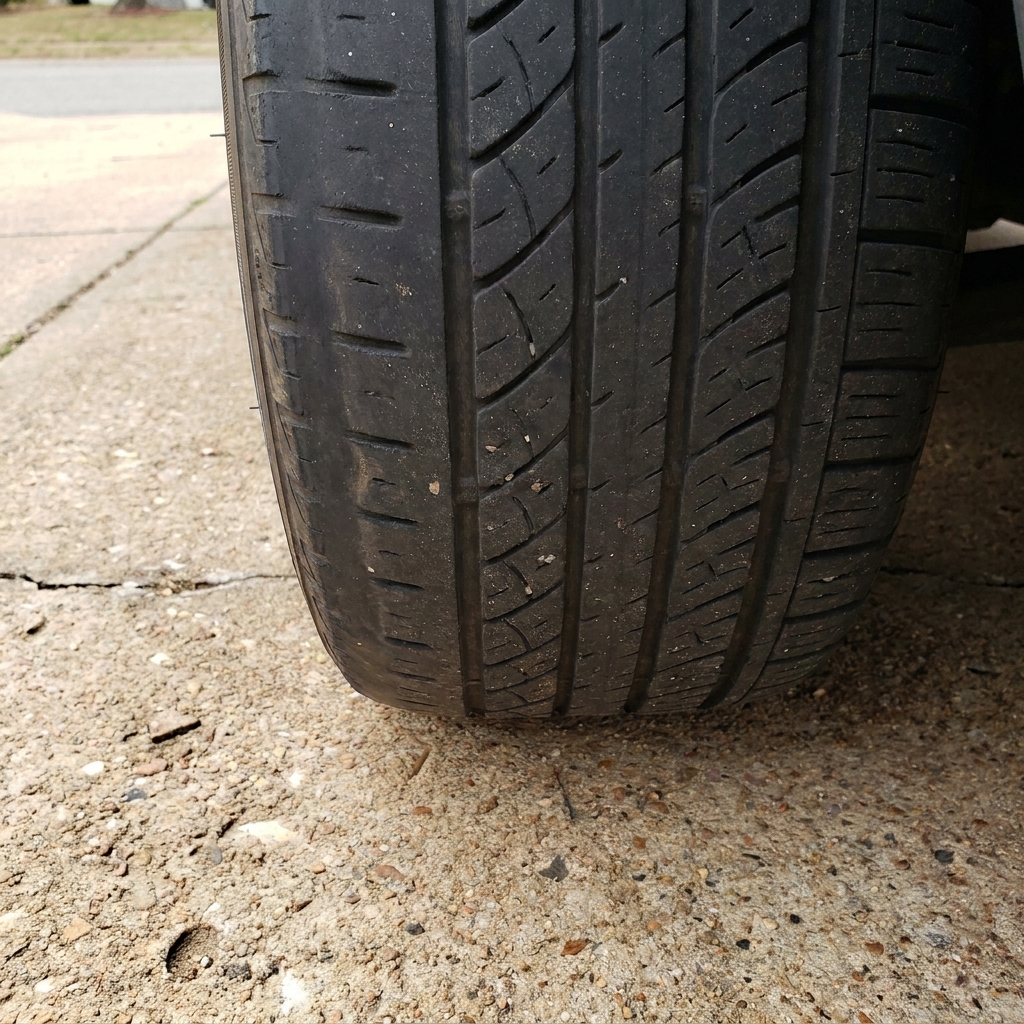
Winter tires with low tread depth lose a lot of their snow performance. If you are shopping used, be picky. Also check the DOT date code. Rubber hardens with age, even if the tread looks fine.
Watch your tire pressures
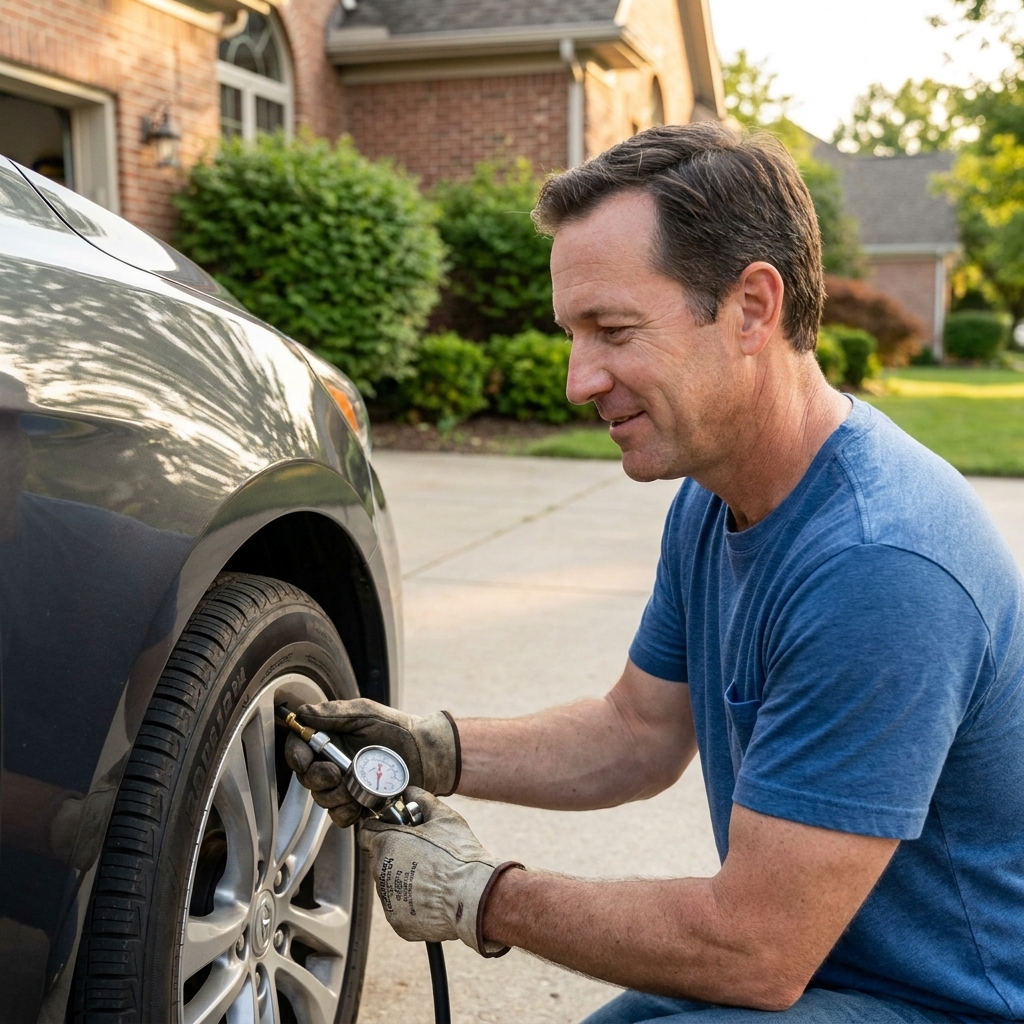
Cold air drops pressure. A rough rule is about 1 PSI per 10°F change, though it varies. Low pressure hurts handling, braking, and tire wear. Check monthly in winter, minimum.
Store the off-season set correctly
- Clean them before storage.
- Store in a cool, dry place away from sunlight and electric motors.
- Bag them if possible to slow ozone exposure.
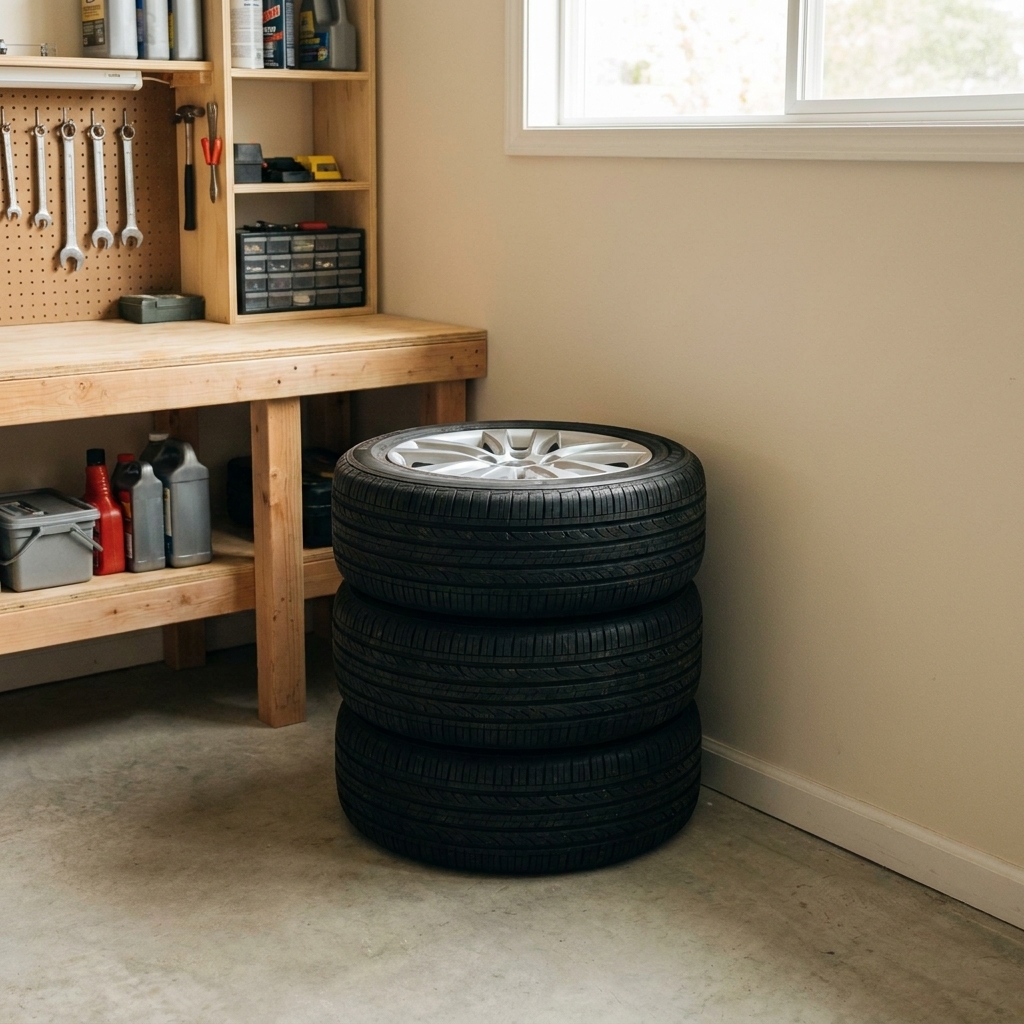
- If they are mounted on wheels, stacking is fine. If not, store them upright and rotate their position occasionally.
Quick FAQ
Can I run winter tires year-round?
You can, but you should not. Winter compounds are softer in warm weather, which usually means faster wear, longer braking distances on hot dry pavement, and a squirmy feel.
Do winter tires help on cold rain, not just snow?
Yes. Cold wet pavement is where many drivers notice the difference first. The compound flexibility and siping help traction when temperatures drop.
If I buy two winter tires for the drive axle, is that okay?
No. You want four matching winter tires. Mixing traction front to rear can cause unpredictable handling, especially in emergency maneuvers.
What is the best time to install winter tires?
Install when your daily temps are consistently near or below 45°F. Waiting until the first storm is like waiting to buy a flashlight after the power goes out.
My take from the shop floor
If you live where winter is mostly a postcard, a quality all-season or a good all-weather tire might be the sensible choice. But if you deal with real cold, regular slush, freezing rain, or snow-covered side streets, winter tires are one of the few upgrades that genuinely changes how safe your car feels.
They are not about being fearless. They are about giving your car the right shoes for the season, so you can brake, turn, and drive like the road is trying to help you instead of hurt you.