I grew up holding a flashlight for my grandpa while he taught me the golden rule of brakes: you do not guess. Brake pads look like a simple purchase, but the material you pick changes how your car stops, how often you clean your wheels, and even how long your rotors last.
The two most common choices you will see for modern street cars are ceramic and semi-metallic. Both can be safe and effective when you buy quality parts and install them correctly. The “best” one depends on what you drive, where you drive, and what you can tolerate: noise, dust, and cost.
One more truth from the garage: within each category, compounds vary a lot. Brand, intended use (OEM-style, heavy-duty, performance), and proper fitment can matter as much as the label on the box.
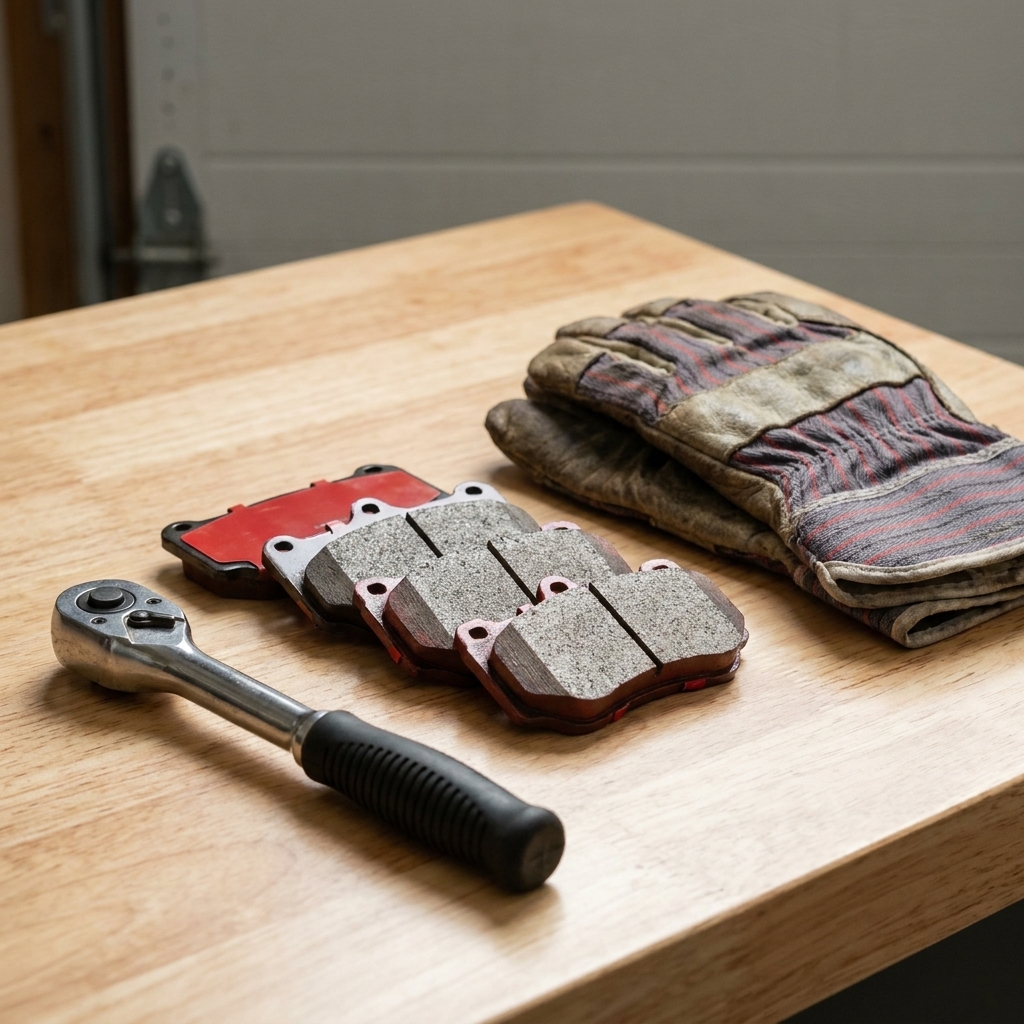
Pad materials in plain English
Ceramic pads
Ceramic pads are made from a dense ceramic-based friction compound blended with fibers and fillers (often copper or other materials, depending on the formulation). The goal is smooth, consistent braking with low noise and cleaner-looking dust.
Semi-metallic pads
Semi-metallic pads use a blend of metals like steel, iron, and copper mixed into friction material. They are designed to handle heat well and bite hard, especially when worked.
There are other types (organic, low-metallic NAO), but if you are standing at the parts counter deciding between ceramic and semi-metallic, this comparison is the one you need.
Quick comparison
- Noise: Ceramic is usually quieter. Semi-metallic is more likely to squeal or growl, especially when cold.
- Brake dust: Ceramic usually produces lighter, less noticeable dust. Semi-metallic often makes darker dust that shows up fast on wheels.
- Heat tolerance: Semi-metallic generally handles repeated heavy braking better, but performance-focused ceramics exist too. The specific compound matters.
- Cold bite: Semi-metallic often feels more “grabby” right away. Ceramic can feel smoother and slightly less aggressive at first press.
- Rotor wear: Ceramic can be easier on rotors. Semi-metallic can be harder on rotors, but it depends on the pad formula, rotor material, and how you drive.
- Cost: Ceramic is often more expensive. Semi-metallic tends to be cheaper, with lots of solid midrange options.
Stopping power and pedal feel
This is where people get tripped up, because “stopping power” is not just the pad. Tires, ABS, rotor condition, brake fluid, and caliper health matter a lot.
What ceramic feels like
Ceramic pads usually feel smooth and linear. You press the pedal and the car slows in a predictable way without a sudden initial bite. For daily driving, that smoothness is a feature, not a flaw.
What semi-metallic feels like
Semi-metallic pads often have strong initial bite. That can feel reassuring, especially if you are used to older cars or you do a lot of freeway merging and quick slowdowns. Under repeated hard braking, many semi-metallic street pads keep their friction characteristics more confidently.
My mechanic take: If you rarely brake hard and you value a refined feel, ceramic is hard to beat. If you regularly push the brakes, live in the mountains, tow, or drive a heavier vehicle, a quality semi-metallic or heavy-duty pad is often the safer bet.
Heat and fade
Brake fade happens when pads and rotors get too hot and friction drops. Some fade is from pad material, and some is from boiling brake fluid. Either way, heat management matters.
Semi-metallic pads generally tolerate high temperatures better in real-world abuse: long downhill grades, repeated hard stops, towing, and stop-and-go with a loaded vehicle.
Ceramic pads can handle normal street heat just fine. If you are regularly cooking the brakes, you may find a typical street ceramic feels less confident than a comparable semi-metallic. There are exceptions, so look at the pad’s intended use, not just the word “ceramic.”
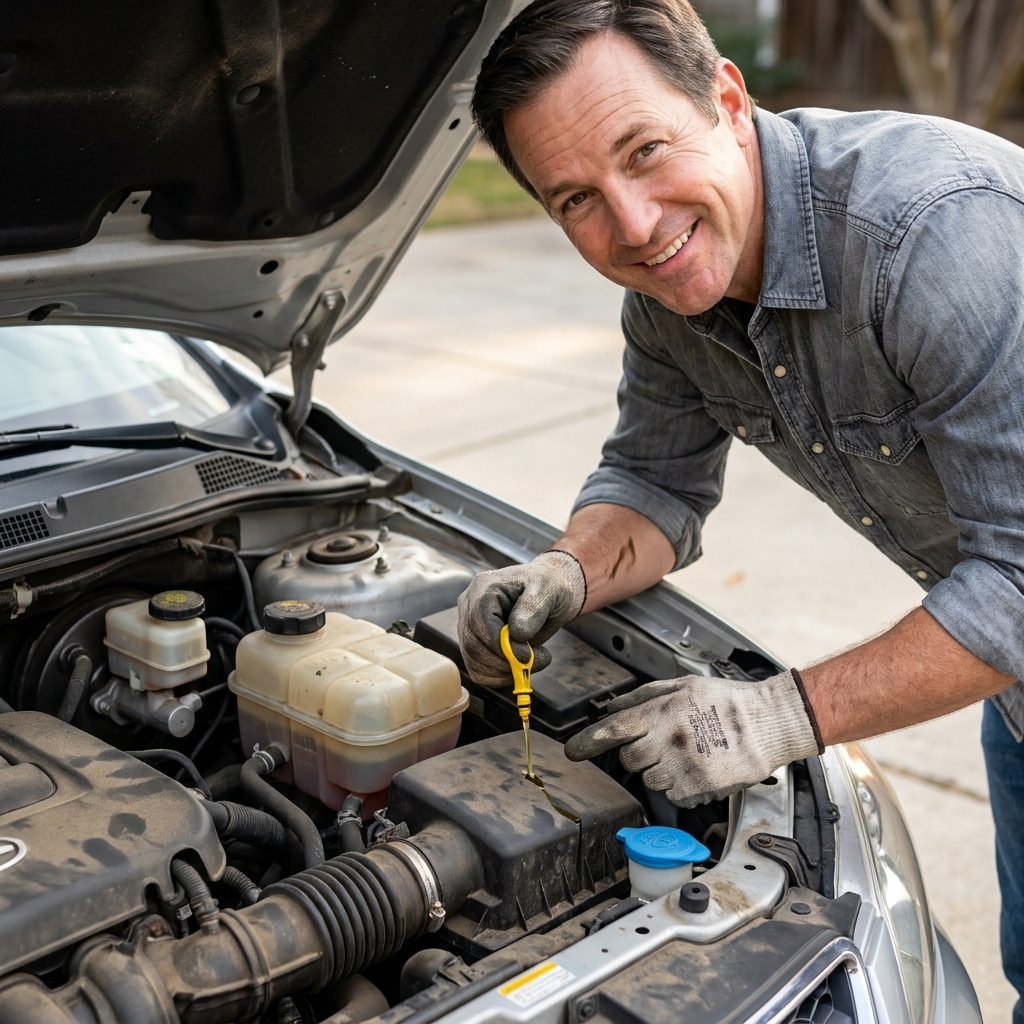
If you drive mountains or tow, do not ignore the fluid. Old, moisture-contaminated brake fluid lowers the boiling point and makes fade more likely. A fluid flush on schedule is cheap insurance.
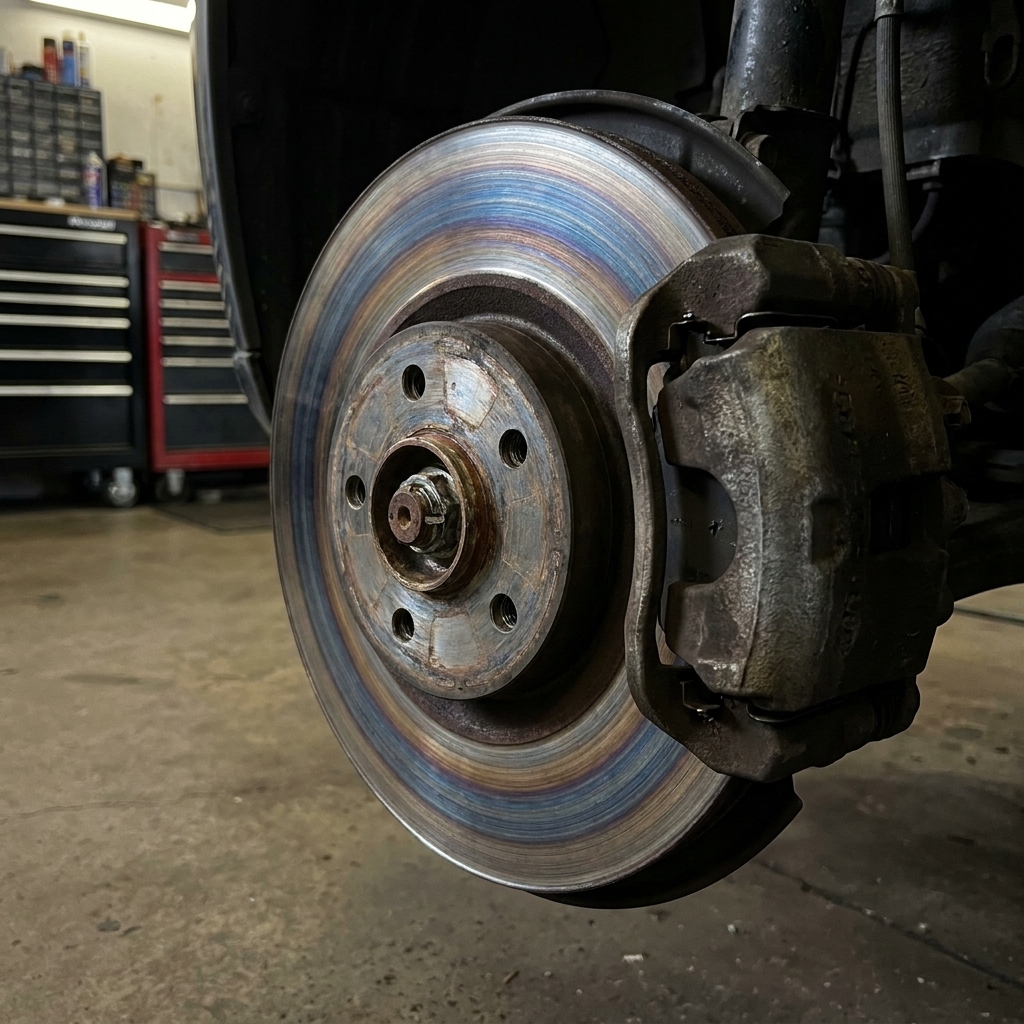
Noise
Noise comes from vibration. Pad material, shims, hardware, lubrication, and bedding all play a role.
- Ceramic: Usually quieter when installed with fresh hardware and proper grease on the contact points. Great for drivers who hate squeaks at stoplights.
- Semi-metallic: More prone to noise, especially when cold. Some formulations are quiet, but in general you are trading refinement for bite and heat tolerance.
If quiet matters, do not just buy ceramic and call it done. Replace the pad hardware, clean and lubricate the caliper bracket contact areas properly, and bed the pads. Those three steps fix a lot of “these pads are junk” complaints.
Dust and wheel cleaning
Brake dust is normal. It is the pad and rotor wearing by design. The difference is what the dust looks like and how much of it you notice.
- Ceramic: Dust tends to be finer and lighter colored. It usually does not stick as aggressively and it is less obvious on many wheel finishes.
- Semi-metallic: Often produces darker dust that can show up quickly, especially on light-colored wheels.
If you have nice wheels and you are tired of cleaning them every weekend, ceramics are often the easy win.
Rotor wear and cost
This is where the cheapest pad can get expensive.
Ceramic pads can be gentler on rotors, which can mean longer rotor life and smoother braking over time.
Semi-metallic pads can be more abrasive and may wear rotors faster. Not always. Rotor wear depends on pad formulation, rotor metallurgy, driving style, and bedding.
That said, a quality pad on a vehicle that needs it is still the right move. Rotors are cheaper than a scary downhill fade situation.
Which pads to buy
Start with OEM intent
If you want the best odds of “it just works,” pick an OEM-spec pad, or a pad from a reputable brand that matches the original equipment intent. For a lot of cars, getting that baseline right matters more than chasing a category label.
Choose ceramic if you want:
- Quiet braking for commuting and errands
- Low dust and cleaner wheels
- Smooth pedal feel
- Refined street manners
Choose semi-metallic if you want:
- Strong bite and confident braking under load
- Better heat handling for mountains, towing, or heavy stop-and-go
- A pad that tolerates repeated hard stops well
- A lower upfront price, with lots of solid options
Special cases
- Trucks and SUVs that tow: Lean semi-metallic or a true heavy-duty pad unless the manufacturer specifies otherwise and your towing is light. Heat is the enemy here.
- Performance street driving: A high-quality semi-metallic can be a good fit. If you are doing track days, talk to a dedicated performance pad supplier. Street ceramics are not track pads, and some performance ceramics exist but are a different animal than “quiet ceramic” commuter pads.
- EVs and hybrids: Many do well with ceramic for quiet, low dust, and smooth stops. Regenerative braking reduces pad use, but it can also mean rotors see more corrosion or the pads do less self-cleaning. If your vehicle manual allows it and conditions are safe, occasional firm braking with the friction brakes can help keep the rotors clean and the pad faces fresh.
What matters more than material
I have installed “perfect” ceramic pads that squealed like a subway car, and I have installed semi-metallic pads that were quiet and smooth. The difference was installation and parts quality.
1) Buy the right pad for your exact car
Brake systems vary. A pad that feels amazing on one model can feel mushy on another. Use your year, make, model, trim, and engine, and double-check the rotor size if your car has multiple options.
2) Replace the hardware
New pads on rusty, bent, or worn hardware is a recipe for noise and uneven wear. Many quality pad sets include new clips. If yours does not, buy a hardware kit.
3) Clean and lube the right places
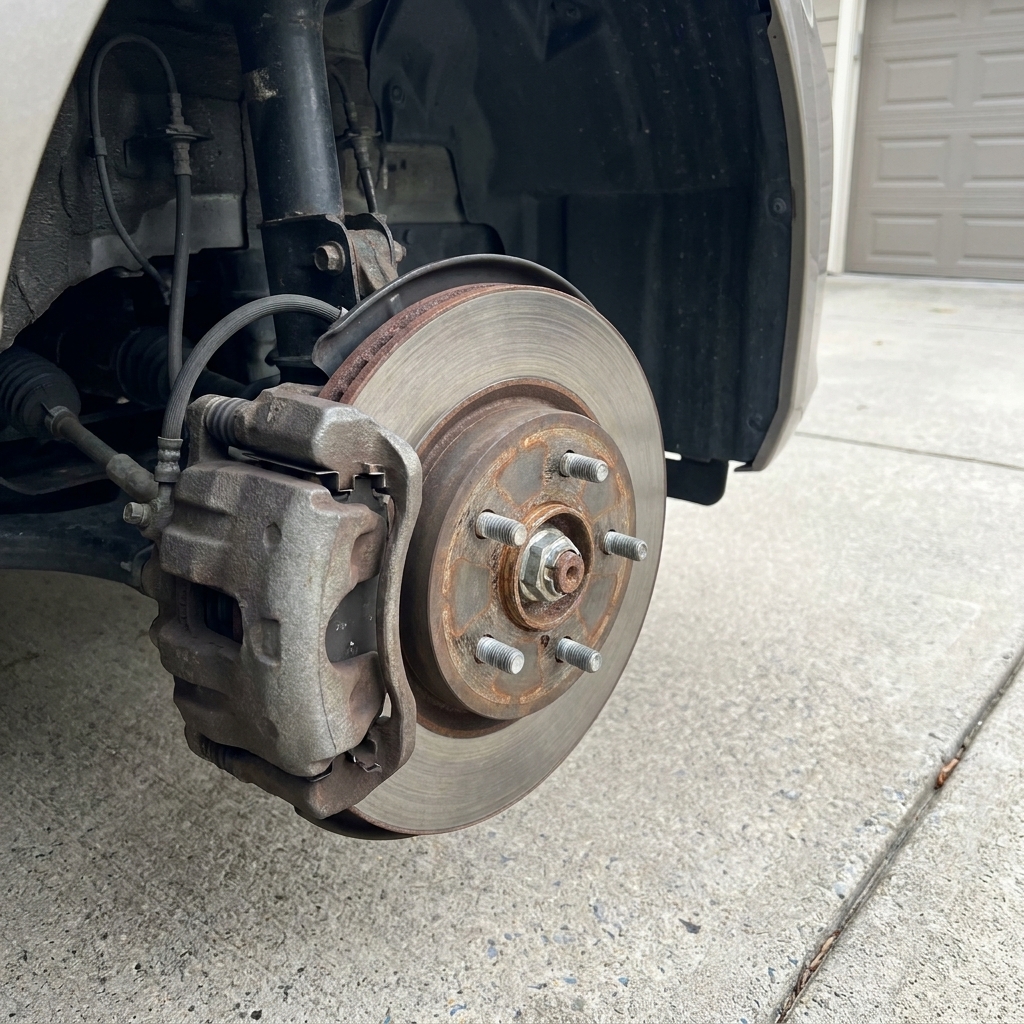
Use brake cleaner to remove rust and old grease from the bracket lands. Apply a thin coat of high-temp brake grease only where the pad ears slide and on the back of pads if required by the design. Keep grease off pad friction surfaces and rotors.
4) Bed the pads
Bedding transfers an even layer of friction material onto the rotor. That improves feel and reduces vibration.
Follow the pad manufacturer’s procedure if it is provided. Some modern OEM-style pads are already scorched or pre-bedded and only need normal driving and a few controlled stops to settle in.
If no procedure is provided, a common street approach is several moderate stops from 30 to 40 mph down to about 5 mph, with cool-down time between, then a longer drive to let things normalize. Do bedding only where it is safe and legal. Avoid sitting stopped with your foot clamped hard on the brake right after aggressive bedding, because that can imprint material and cause a pulsation later.
Safety first
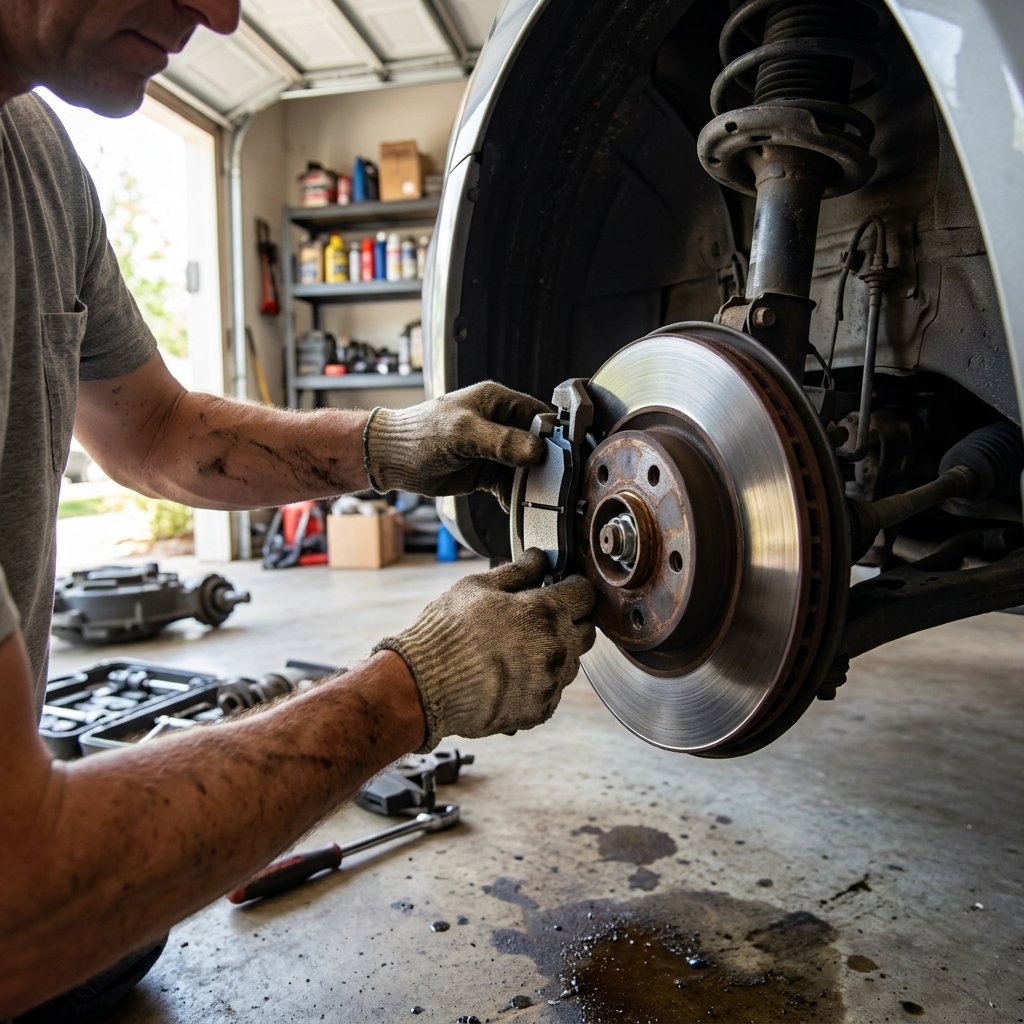
If you are doing brakes yourself, use jack stands, torque your wheels and caliper bolts to spec, and follow your vehicle service manual. If anything feels out of your depth, braking is not the system to learn by guessing. Get help from a qualified tech.
Garage questions
Can I mix ceramic pads in front and semi-metallic in rear?
You can, but I rarely recommend it unless you have a specific reason and you understand what you are changing. Mixing compounds can alter brake balance and feel. For most DIYers, run the same type front and rear for predictable behavior.
Will ceramic pads damage rotors?
Quality ceramics are typically easy on rotors. The bigger rotor killers are cheap pad formulations, rust, stuck calipers, and ignoring worn pads until metal hits metal.
Why do new pads squeal?
Usually one of these: missing or old hardware, glazed rotors, no bedding, or improper lubrication. Pad material can contribute, but it is rarely the only cause.
Do I need new rotors when I change pads?
Not always. If rotors are within spec, not heavily grooved, and not heat-checked, you can often reuse them. Many modern rotors are thin from the factory, so machining is not always an option. Measure thickness with a micrometer and compare to the rotor’s minimum spec.
My simple rule
If your car is a daily driver and you value quiet, clean wheels, and a smooth pedal, start with ceramic, ideally an OEM-style pad from a reputable brand.
If you routinely work your brakes hard, drive in mountains, tow, haul, or you want strong bite even when things get hot, start with a quality semi-metallic or heavy-duty compound that matches the job.
Either way, do not let the pad box make the whole decision for you. Good parts plus careful installation beats the “best” material installed sloppily every time.