If your engine has started making a new sound, your brain does the same thing mine does: it turns the radio down and leans forward like that will magically pinpoint the problem. The good news is that a lot of engine noises are pretty consistent. The bad news is some of them are your car politely asking for help before it gets expensive.
This list is built for DIYers. I’ll tell you what the noise usually means, how serious it can be, a couple safe driveway checks, and when you should stop driving and call for a tow.
First, a quick safety rule
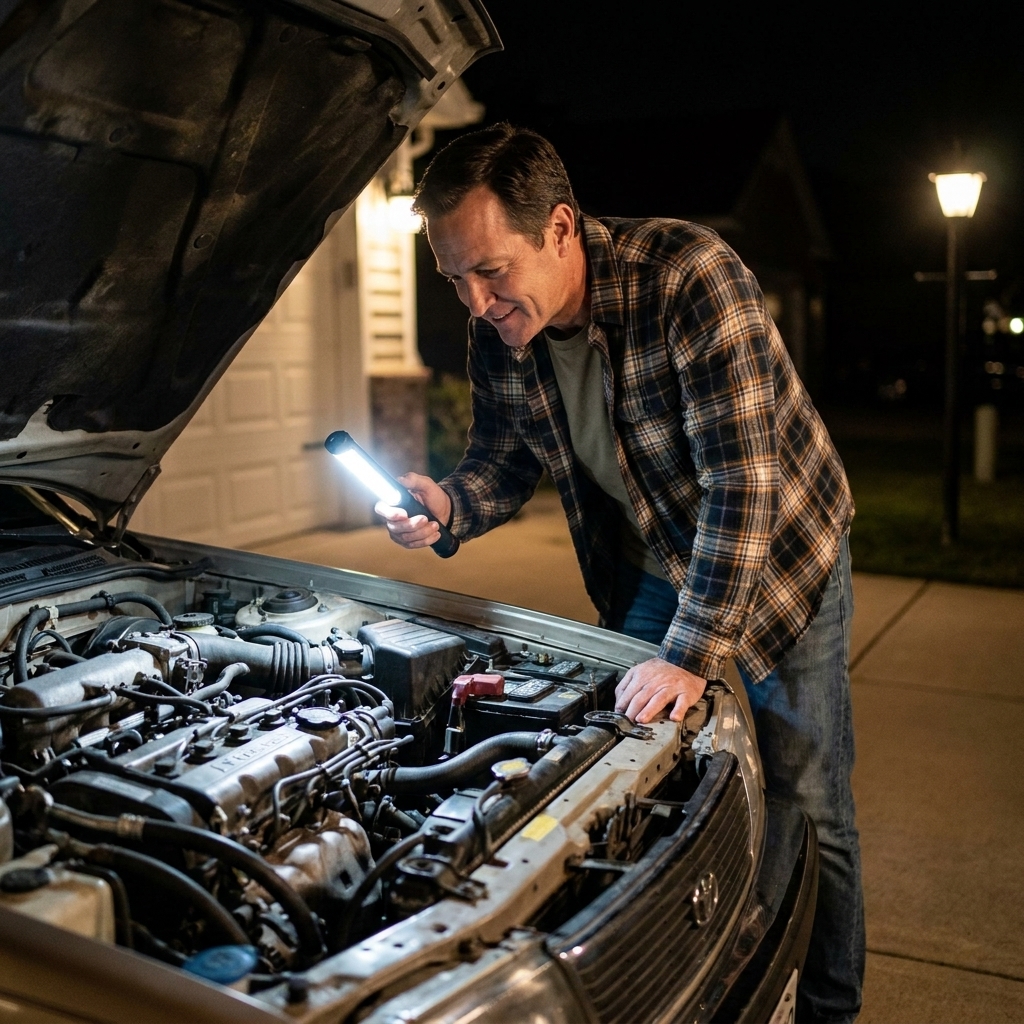
Never put your hands near belts, fans, or pulleys with the engine running. Tie back long hair, avoid loose sleeves, and keep fingers, tools, and hoodie strings out of the danger zone. If you need to listen closely, use a length of hose like a stethoscope and keep it well away from moving parts.
If you smell fuel, see smoke, or the oil pressure light is on, skip the detective work and shut it down.
1) High-pitched whine (rises and falls with RPM)
How it usually sounds
A smooth, steady “eeee” that gets higher as you rev. Often most obvious under light acceleration.
Common causes
- Power steering pump (especially on hydraulic systems), often worse when turning
- Alternator bearing or alternator under heavy electrical load
- Idler pulley or belt tensioner bearing starting to dry out
- Supercharger whine (normal for some cars, but changes in pitch can signal an issue)
DIY checks
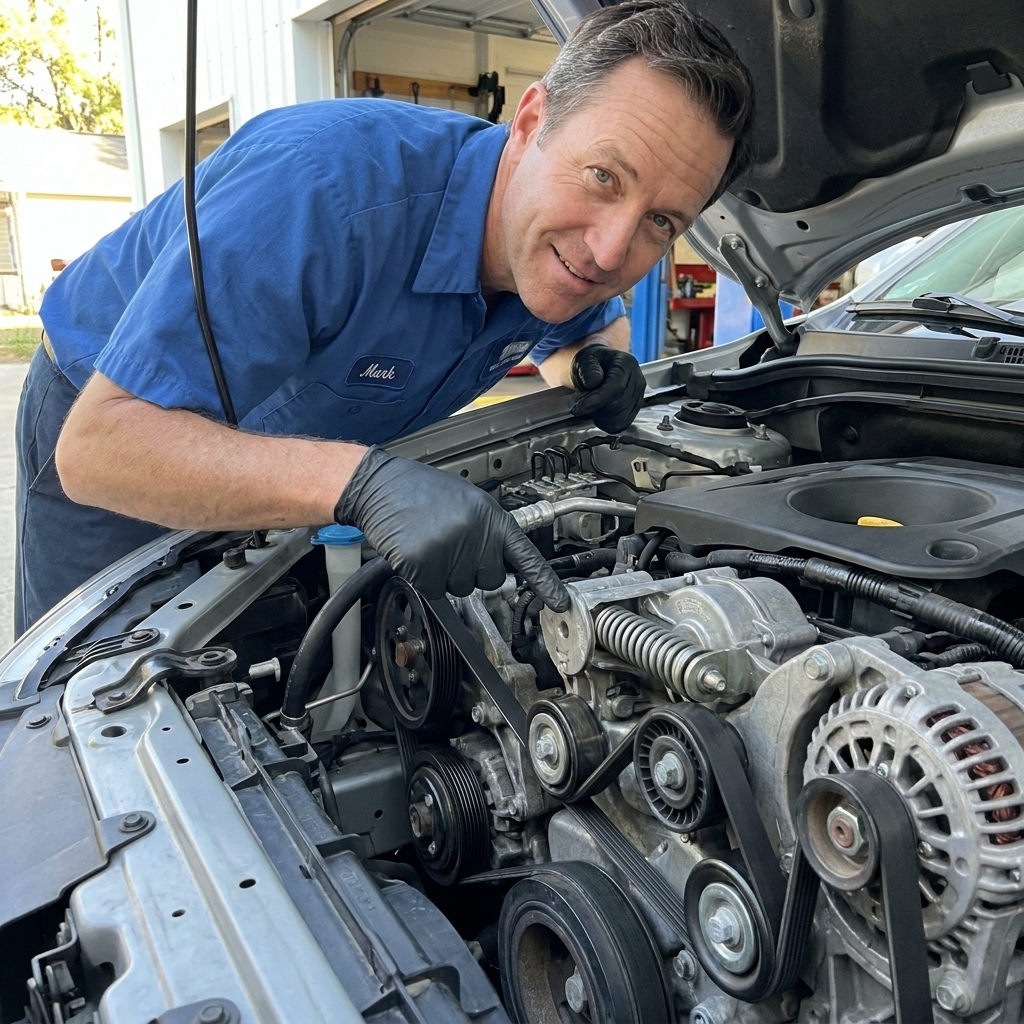
- Pop the hood and listen from above. If it is loudest near the belt drive, suspect an accessory or pulley.
- Turn the steering wheel lock-to-lock at idle. If the whine changes a lot while turning, check power steering fluid level and condition (if your car has a dipstick reservoir).
- Load the electrical system. Headlights, rear defrost, and blower on high can make an alternator whine more obvious if it is struggling.
- Notice where you hear it. A mechanical whine is usually under the hood. A high-pitched whine you mainly hear through the speakers can point to alternator diode ripple, grounding issues, or audio noise.
How serious is it?
Moderate. A failing pulley or tensioner can eventually seize, throw the belt, and leave you stranded. If the whine suddenly gets loud or you smell burning rubber, do not keep driving.
2) Squeal on cold start (then it goes away)
How it usually sounds
A loud, sharp squeal right when the engine fires up. It may quiet down after 5 to 30 seconds.
Common causes
- Loose or glazed serpentine belt
- Weak belt tensioner
- Moisture on the belt (overnight dew can do it, but it should be brief)
DIY checks
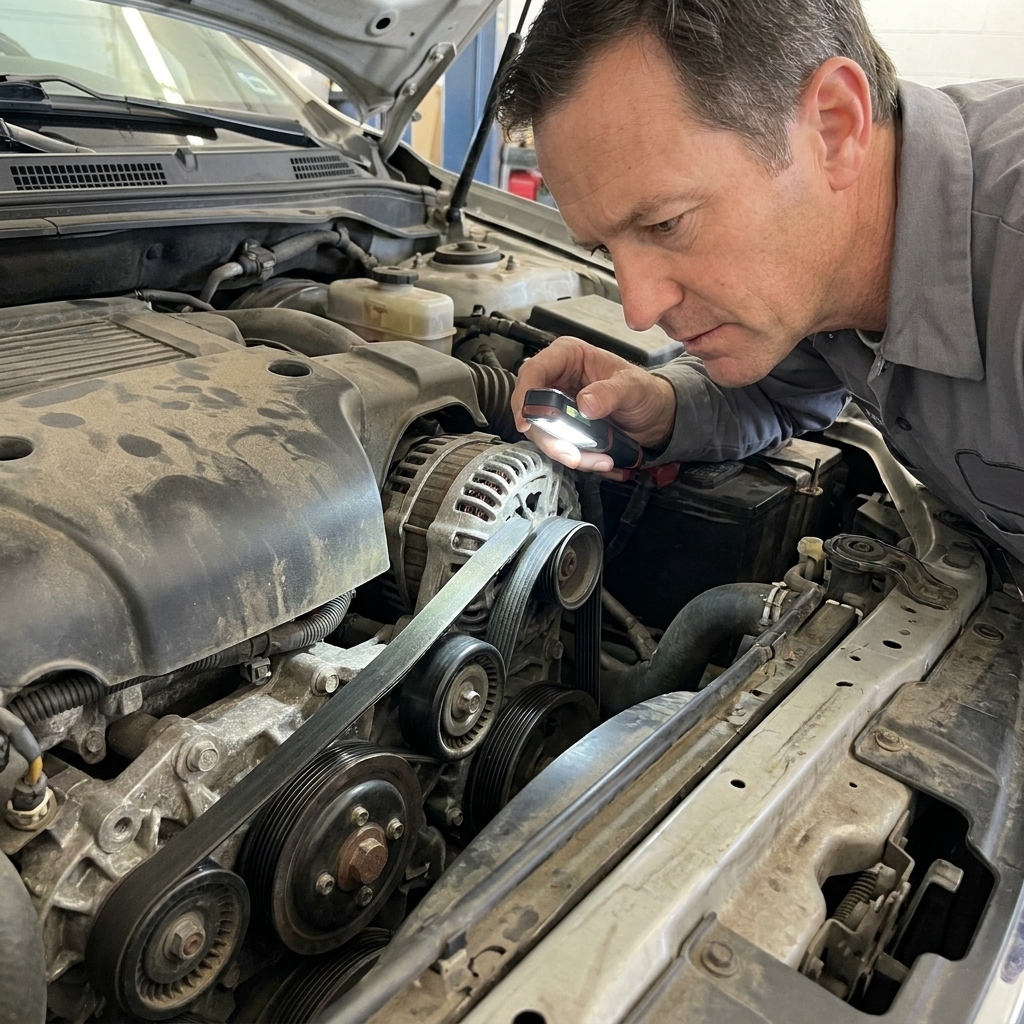
- Visual inspection with engine off. Look for cracks, fraying, missing ribs, or a shiny glazed surface on the belt.
- Check belt routing. If the belt has walked off-center, a pulley may be misaligned.
- Listen for bearing noise. A chirp or grinding under the squeal points toward a pulley bearing rather than the belt itself.
How serious is it?
Usually low to moderate. A squeal that keeps getting worse is your early warning. Catch it now and you are likely looking at a belt and possibly a tensioner. Ignore it and you risk a belt failure that can overheat the engine on many vehicles, depending on whether the belt drives the water pump or other critical accessories.
3) Light ticking at idle (fast, sharp clicks)
How it usually sounds
A rhythmic tick-tick-tick that speeds up with RPM. You might notice it more with the hood open.
Common causes
- Fuel injectors (many modern injectors click normally)
- Valve train noise (lifters, rocker arms, valve lash)
- Low oil level or oil that is too thin or old
- Small exhaust leak near the manifold (can mimic a tick)
DIY checks
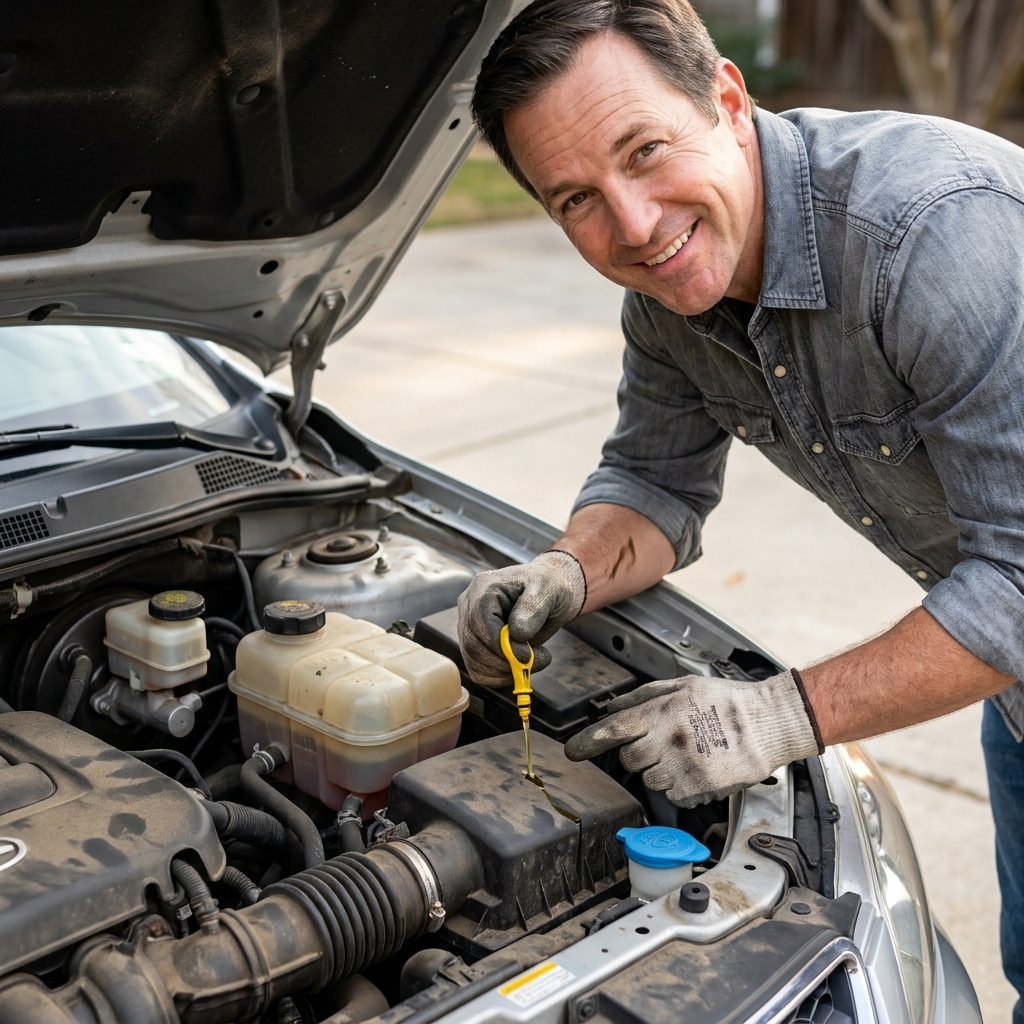
- Check oil level first. Park level, engine off, wait a couple minutes, then check the dipstick. Low oil can make top-end ticking show up fast.
- Listen cold vs warm. If it is loud cold and quiet warm, it can be oil drain-back, lash, or a small manifold leak sealing as things expand.
- Locate the sound. Injector ticking is usually a crisp click right along the fuel rail. Valve train noise tends to come from the top of the engine under the valve cover.
How serious is it?
Depends. Normal injector noise is harmless. New, louder ticking plus low oil is a stop-and-check situation. If the oil pressure warning light comes on, shut the engine off immediately.

4) Deep knocking under load (gets louder with acceleration)
How it usually sounds
A heavier, dull knock that shows up when you give it gas, especially climbing a hill or accelerating onto the highway.
Common causes
- Rod knock (connecting rod bearing wear)
- Low oil pressure or oil starvation
- Severe detonation (also called spark knock or ping, usually more of a rattly metallic sound than a deep thud)
DIY checks
- Watch the oil pressure light or gauge. Any oil pressure warning is a shut-down-now issue.
- Check oil level and condition. Very low oil or glittery metallic oil are bad signs.
- Rule out ping. Spark knock is often a higher-frequency rattle during load that may improve with higher-octane fuel or fixing a lean condition. Rod knock is deeper and more ominous.
How serious is it?
High. A true bottom-end knock can turn into a thrown rod fast. If the noise is deep and follows RPM under load, do not keep driving it “to see if it goes away.” That is how engines become paperweights.
5) Metallic rattle on startup (1 to 3 seconds)
How it usually sounds
A brief clatter right after the engine catches, then it smooths out.
Common causes
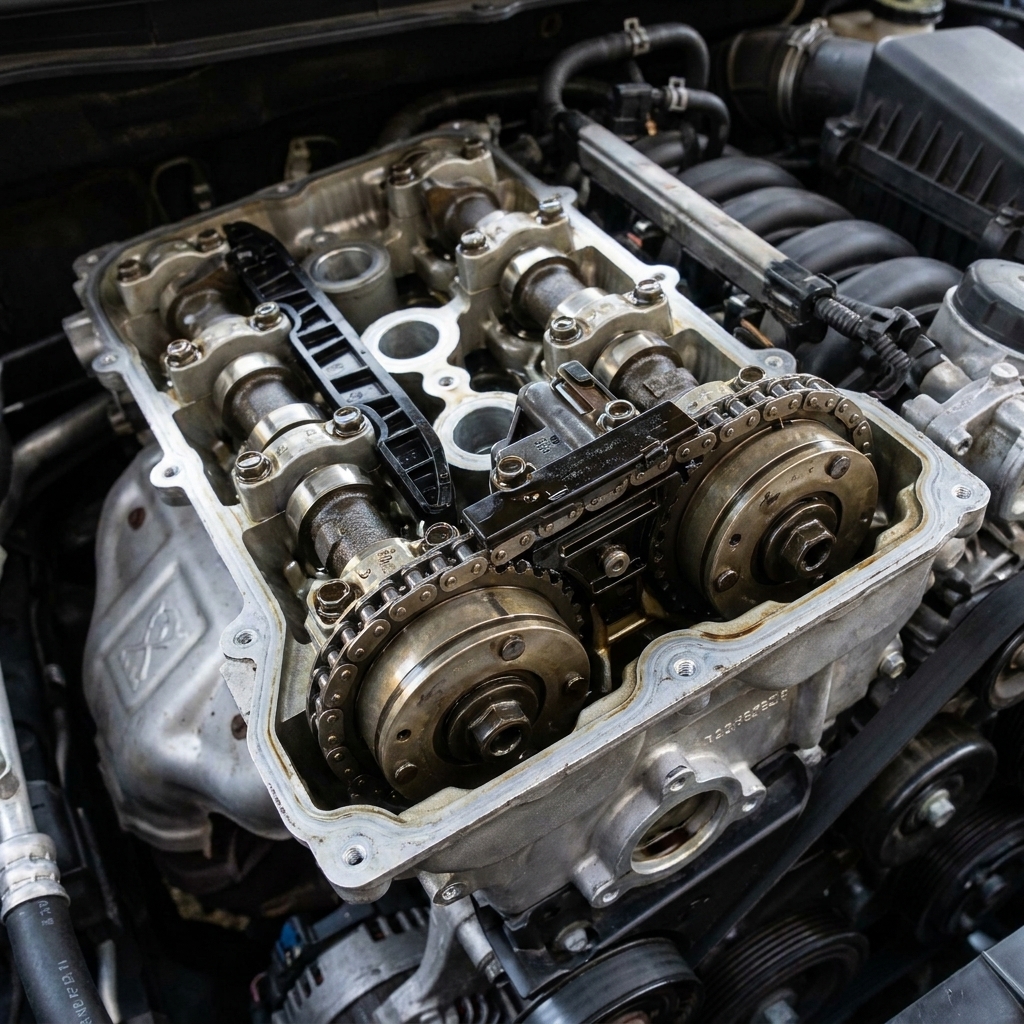
- Timing chain tensioner drain-back (common on some engines as they age)
- Variable valve timing actuator rattle
- Oil filter anti-drainback valve behavior (can contribute in some cases, but many startup rattles are still tensioner or VVT related)
DIY checks
- Confirm correct oil viscosity. Too thin can worsen startup rattle; too thick can delay oil flow in cold weather.
- Use a quality oil filter. If the rattle began right after an oil change, keep the filter in mind as one possible factor.
- Track when it happens. Only after sitting overnight suggests oil draining out of a tensioner or galleries.
How serious is it?
Moderate to high. A tiny brief rattle that has been there forever may never change. A rattle that is getting longer or louder can mean the chain is spending too much time loose. Timing chain problems can jump from “annoying” to “engine damage” in a hurry.
6) Hissing sound (especially near the top of the engine)
How it usually sounds
A steady hiss like a small air leak. Sometimes it changes when you rev or when the engine warms up.
Common causes
- Vacuum leak (cracked hose, intake boot, PCV hose)
- Exhaust leak (manifold gasket or cracked manifold can tick or hiss)
- Cooling system pressure leak (less common to hear, but possible if coolant is spraying onto a hot surface)
DIY checks
- Look for obvious cracked rubber. Intake ducts and small vacuum lines harden with age.
- Listen for idle changes. Vacuum leaks often cause rough idle, high idle, or a lean code and a check engine light.
- Use smells as clues, not conclusions. A sweet smell can suggest coolant. Raw fuel smell means stop and investigate before starting again.
How serious is it?
Usually moderate. A vacuum leak can make the engine run lean, raise exhaust temperatures, and stress the catalytic converter. A coolant leak can become severe quickly if the temperature climbs. If you see steam or the temp gauge rises above normal, shut it down.
7) Rhythmic puffing or chuffing (often from the tailpipe or engine bay)
How it usually sounds
A repeating “puh puh puh” that matches engine speed. Sometimes it is more noticeable at idle.
Common causes
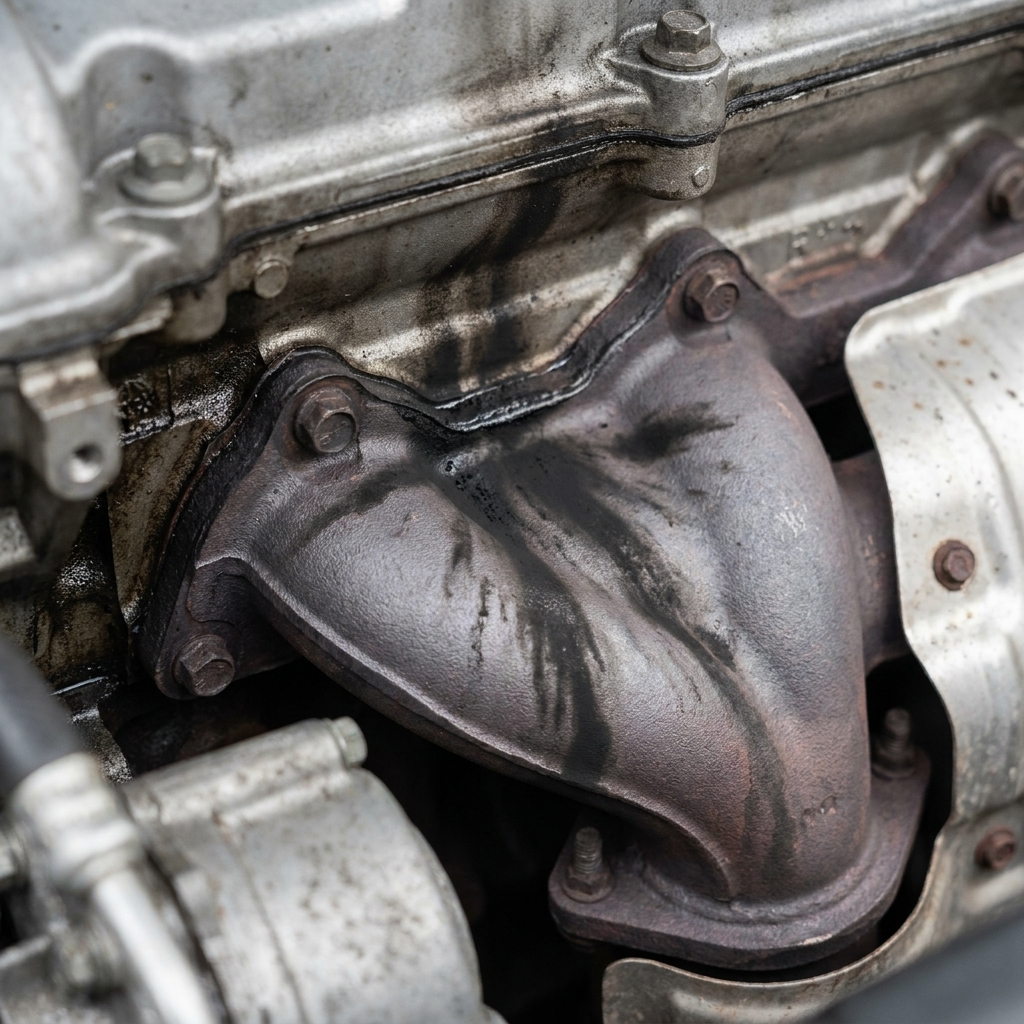
- Exhaust leak upstream of the muffler, especially at the manifold or flex pipe
- Misfire causing uneven exhaust pulses
- Burned exhaust valve (in severe cases, paired with misfire and low compression)
DIY checks
- Look for soot tracks. Black sooty residue around a manifold gasket area or flex joint is a classic exhaust leak tell.
- Check for misfire symptoms. Shaky idle, flashing check engine light, and a raw fuel smell at the tailpipe are big clues.
- Scan for codes. Even a basic code reader can point you to a cylinder-specific misfire.
How serious is it?
Moderate to high. A small exhaust leak is usually more annoying than dangerous, but leaks near the engine can let fumes into the cabin. A flashing check engine light means the catalytic converter is at risk, and you should stop driving and address the misfire.
8) Noise changes with vehicle speed (not RPM)
How it usually sounds
A growl, hum, grind, or cyclic whir that gets louder as you go faster, even if the engine RPM stays steady. Sometimes it changes when you gently steer left or right.
Common causes
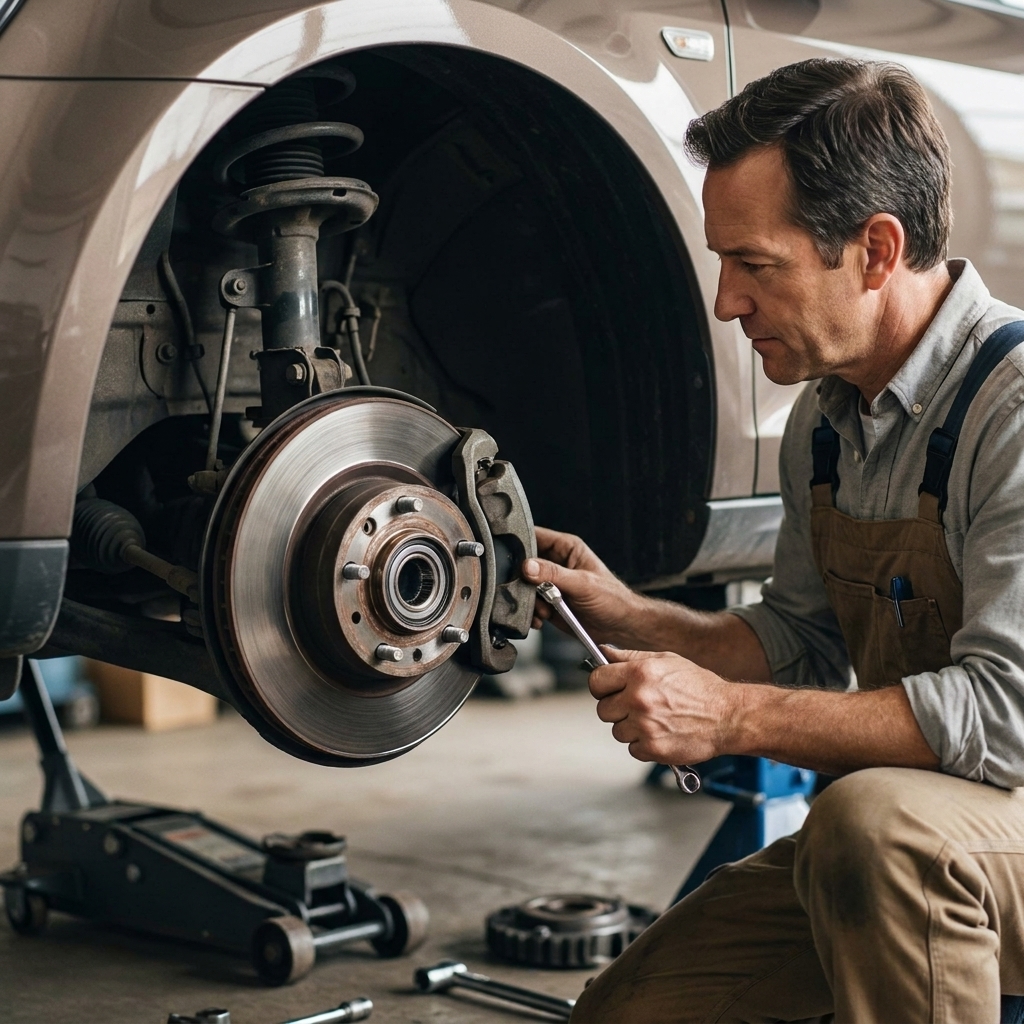
- Wheel bearing roar or growl
- CV axle clicking (often on turns under acceleration)
- Dragging brake or bent dust shield scraping the rotor
- Tire noise (cupping or aggressive tread can sound like a bad bearing)
DIY checks
- Try the neutral test safely. On a safe, straight road, briefly let off the gas and let the car coast (do not shut the engine off). If the noise stays the same, it points away from the engine.
- Gently weave within your lane. If the sound gets louder when you load one side of the car, a wheel bearing moves up the suspect list.
- After a drive, check for heat. A wheel that is noticeably hotter than the others can mean a dragging brake. Do not touch hot components directly.
How serious is it?
Moderate to high. A dragging brake can overheat fast. A failing wheel bearing can get loud for a long time, then suddenly get sketchy. If you feel vibration, pulling, or any change in steering feel, get it checked sooner rather than later.
A quick severity meter
- Shut it down now: oil pressure light, deep knock that follows RPM, overheating, loud metal-on-metal grinding, fuel smell with wet spots
- Drive gently to a shop or diagnose today: persistent squeal, whine that is getting louder, ticking with low oil, flashing check engine light
- Monitor: light injector tick, brief startup noise that has not changed for months
Quick check engine light note: a flashing light is the urgent one because it often means an active misfire that can damage the catalytic converter. A solid light still matters, but you usually have a little more time to diagnose.
DIY listening tips
- Change one thing at a time. A/C on vs off, steering turned vs straight, in park vs in drive with the brake held. If the sound changes, that is a clue.
- Use the hose trick. A 2 to 3 foot length of hose lets you pinpoint where a hiss or whine is strongest. Keep it away from moving parts.
- Record the noise. Get 10 seconds at cold start and 10 seconds warm at idle, plus one gentle rev. It helps you compare changes over time and helps a mechanic take you seriously.
When it is not the engine
I have seen plenty of “engine noises” turn out to be:
- Heat shields rattling at certain RPM
- Loose plastic engine covers buzzing
- Worn motor mounts letting normal vibrations turn into thumps
- Loose exhaust hangers causing a rattle at idle that disappears off-idle
- A/C compressor clutch clicking when it cycles
If the noise only happens over bumps, only with the A/C on, or only at a very specific RPM range, keep an open mind. The engine is not always the villain.
FAQ
Can low oil cause ticking or knocking?
Yes. Low oil commonly causes top-end ticking first because the valve train is sensitive to oil supply. If oil pressure drops far enough, you can get bottom-end knocking. Always check oil level before chasing anything else.
Is injector ticking normal?
Often, yes. Many direct-injection engines have noticeably loud injector clicking. What matters is change. If it suddenly gets louder, comes with rough idle, or sets a check engine light, investigate further.
Why does my engine make noise only when cold?
Cold oil is thicker and parts have more clearance until they warm up. Belts also slip more when cold. A noise that disappears warm can still matter, but the “only cold” pattern helps narrow the suspects.
What is the most expensive engine noise?
Deep knocking from the bottom end is usually the wallet-buster because it can mean internal bearing damage. Catching it early sometimes saves the engine, but once it is knocking loudly, you are often looking at major repair or replacement.